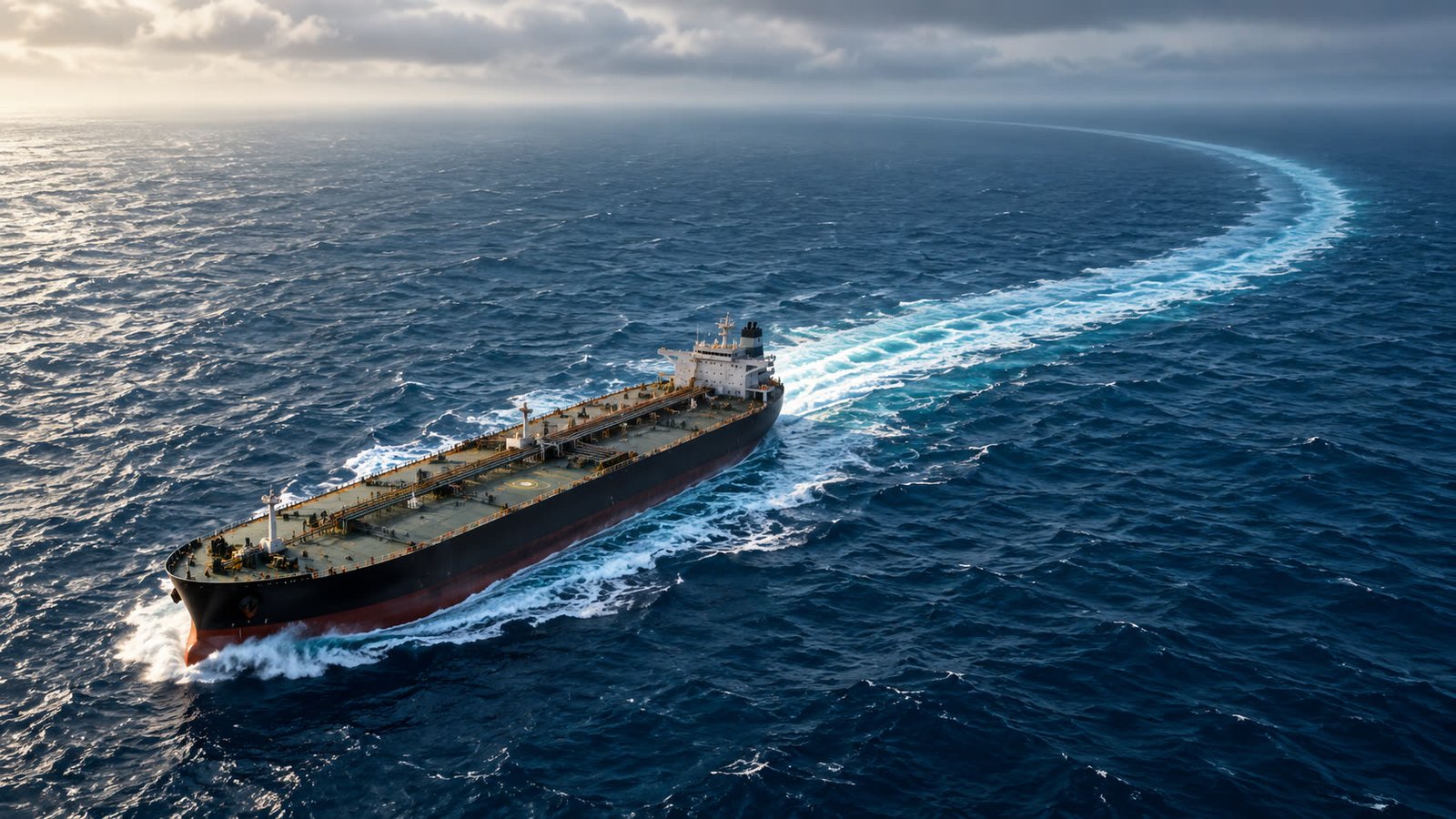
Freight rates for Russian Urals crude moving to India reached fresh records in early October, according to a Reuters report published on 13 Oct 2026. The reported surge raises pressure on the delivered cost of crude for Indian refiners, but it is not an announcement of a petrol or diesel price hike for drivers.
Key takeaways
- Reuters reported that freight for Urals crude from the Black Sea to India reached $27 million-$30 million for a one-way Suezmax voyage in early October, compared with about $19 million in September.
- On the Baltic-to-western-India route, freight for an Aframax cargo rose to about $21 million-$23 million, from roughly $13 million-$16 million in September; some owners were quoting close to $25 million.
- S&P Global data showed the Black Sea-West Coast India Suezmax spread widening to $83.36 per metric tonne on 8 Oct, from $47.22 per metric tonne on 29 Sep.
- Higher freight can reduce the discount that makes Russian crude attractive, but the reported figures are shipping costs, not retail fuel prices.
- Drivers should watch official pump prices and their route budgets rather than treat the freight report as a direct per-litre change.
What changed in Russian crude shipping
Russia has to move much of its crude from western ports to Asian buyers on longer routes. Reuters said freight costs for exporting Urals crude to Asia were around $30 per barrel or more in early October, based on trader information and Reuters calculations. Its report linked the record rates to higher risks in the Black Sea and a broader rally in the global tanker market.
The important point for India is that the cost of a cargo does not end at the price of the oil in the ship's tanks. Tanker chartering, insurance and voyage-related risk add to the delivered cost. When those costs rise, the seller may absorb more of the increase, reduce the discount on the crude, seek a different route or leave the refiner with a higher landed bill. Reuters reported that the freight increase was making it harder for Russia to benefit fully from high oil prices.
S&P Global's 9 Oct analysis independently showed the same pressure in route-level market data. It said the Black Sea-West Coast India Suezmax spread against its global benchmark widened to $83.36 per metric tonne on 8 Oct from $47.22 per metric tonne on 29 Sep. That comparison is useful because it measures the Russia-linked route's premium relative to a broader tanker benchmark, rather than simply comparing two headlines.
How much did the reported freight costs rise?
The two routes covered by Reuters use different tanker classes and cargo sizes, so their dollar figures should not be compared as if they were the same shipment. They nevertheless show why the story is relevant to Indian energy procurement.
| Route and vessel | September comparison | Early-October report |
|---|---|---|
| Black Sea to India, Suezmax carrying about 140,000 metric tonnes | About $19 million per one-way voyage | Record $27 million-$30 million per one-way voyage |
| Baltic ports to western India, Aframax carrying about 100,000 tonnes | Roughly $13 million-$16 million per one-way voyage | About $21 million-$23 million on average; some quotes approached $25 million |
These are reported voyage freight costs, not the value of the crude and not a charge that appears separately on a motorist's fuel bill. The Black Sea comparison was reported by Reuters on 13 Oct 2026, while S&P Global's route-spread data refers to 8 Oct 2026. The different dates and vessel classes matter when readers compare the numbers.
Why Indian drivers and fleet operators should care
Shipping is one part of the landed-cost chain between a crude cargo and a finished litre of petrol or diesel. Refinery economics, the crude grade, the seller's discount, exchange rates, taxes, dealer margins and the oil companies' pricing decisions also matter. That means a higher Russia-to-India freight bill can create cost pressure without producing an immediate change at the pump.
For private motorists, the practical takeaway is to distinguish an upstream risk from a confirmed retail move. There is no petrol or diesel rate announced in the Reuters or S&P Global reports. Before refuelling, readers can check the latest city and state figures on the live fuel prices page rather than rely on a shipping headline.
For transporters, the exposure is more direct because diesel is a recurring operating cost. A freight shock that persists could influence procurement decisions or the discounts available to refiners, but the reports do not establish a new Indian diesel price or a change in truck operating rates. Fleet managers can compare current diesel rates by state on the diesel price hub and update their route assumptions as official prices change.
What the report does not mean yet
- It does not mean petrol or diesel has automatically become costlier in India. The reported $27 million-$30 million is the freight cost for a specific tanker route, not a per-litre retail figure.
- It does not prove that every Indian refinery will pay the same freight. Ports, vessel sizes, insurance arrangements, crude grades and contract terms differ.
- It does not by itself confirm a shortage of fuel in India. The reports describe shipping economics and route risk, not a disruption to domestic retail supply.
- It does not show how much of the cost will be absorbed by sellers or offset by a lower crude discount. That will depend on the cargo and the market when it is purchased.
What to watch next
The next useful signals are whether Black Sea security risk keeps route premiums elevated, whether tanker availability improves, and whether the delivered discount on Urals crude changes. S&P Global said the Black Sea rates were sensitive to security incidents, sanctions enforcement and vessel-acceptance constraints, while Baltic economics depended more on cargo volumes, available compliant tonnage and wider tanker benchmarks.
Indian fuel users should also watch the oil companies' posted retail prices, not just international freight data. If a future pump-price move is announced, the relevant comparison will be the dated retail rate in a city or state and the effect on a normal commute or delivery route. The fuel-cost calculator can help translate a verified fuel-price change into a trip or monthly estimate.
Reader takeaway
The Russia-to-India freight story is an upstream cost warning, not a confirmed retail fuel revision. The record voyage figures show how security and tanker-market conditions can erode the economics of imported crude, but Indian drivers should wait for a dated, official pump-price change before changing their fuel budget. For a planned highway journey, check live fuel rates first and then use the road-trip planner to keep the fuel assumption separate from the toll and route calculation.