Thiruvarur Bypass Cleared at Rs 1,427.61 Crore: NH-83 Upgrade to Decongest Town, Improve Port-Linked Freight Flow

MoRTH approved a 14.9 km four-lane Thiruvarur bypass on NH-83 with two additional ROBs on 26 May 2026. The project is designed to cut urban congestion, improve safety, and strengthen connectivity between industrial clusters and Nagapattinam-Karaikal port-side movement.

Thiruvarur Bypass Cleared at Rs 1,427.61 Crore: NH-83 Upgrade to Decongest Town, Improve Port-Linked Freight Flow

Thiruvarur bypass approval is a high-impact logistics signal for Tamil Nadu's NH-83 freight corridor

The Union Ministry of Road Transport and Highways announced on 26 May 2026 that a Rs 1,427.61 crore package has been approved for a 4-lane Thiruvarur bypass on the Nagapattinam-Thanjavur section of NH-83. The sanctioned length is 14.9 km, and the scope includes two additional Road Over Bridges (ROBs) on NH-129A and NH-134A.
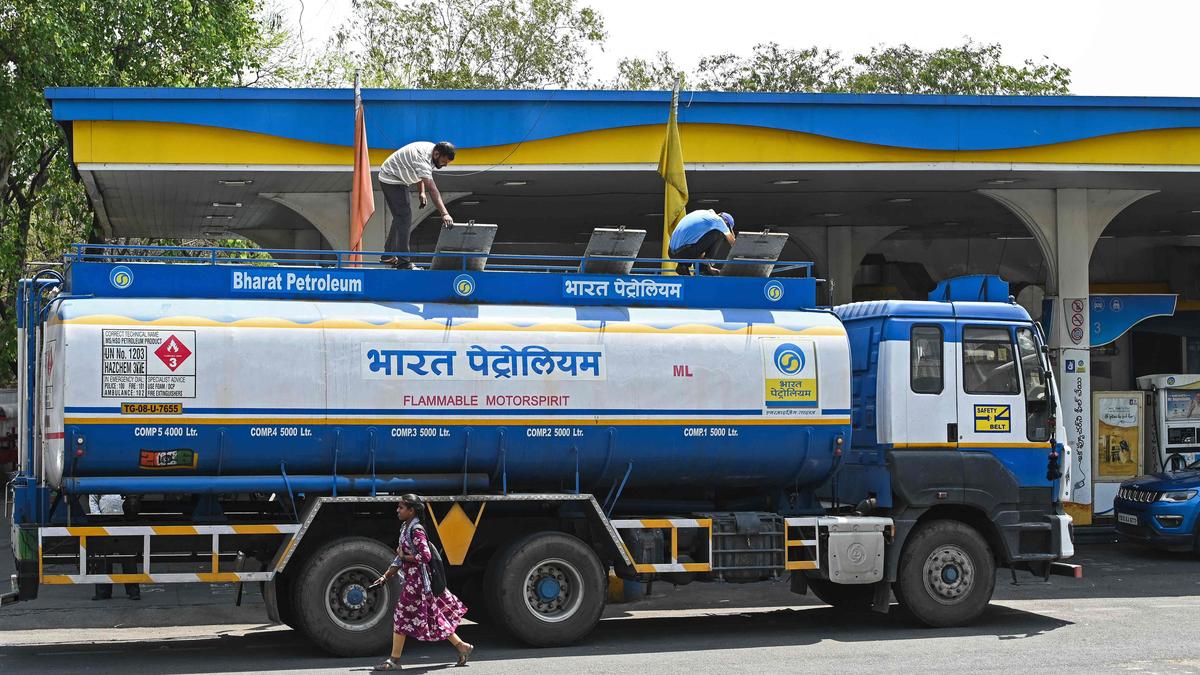
Fuel logistics tanker at an Indian fuel station, representing transport flow and corridor efficiency impact
Freight and fuel supply efficiency improves when through-traffic is moved away from dense town sections.

What has been approved

Project element Official detail
Total approved value Rs 1,427.61 crore
Bypass section Nagapattinam-Thanjavur section of NH-83
Length 14.9 km
Extra structures 2 additional ROBs (NH-129A and NH-134A)
Expected direct user gain About 15 minutes travel-time reduction and lower town congestion

Before and after impact lens

Before bypass routing, through-traffic and local city traffic typically compete for the same town roads, increasing idling, stop-go driving, and delivery uncertainty. After bypass commissioning, freight vehicles can avoid dense urban stretches, improving consistency in turn-around time and reducing avoidable fuel burn per trip.

Sponsored

Why this matters beyond one town

  • Port-linked movement: better corridor flow supports cargo movement toward Nagapattinam and Karaikal-side connectivity.
  • Fleet economics: lower delay and braking cycles generally improve effective fuel productivity for transport operators.
  • Safety and urban quality: diverting heavy through-traffic away from dense commercial zones reduces conflict points.

What to track next

  • Project award and execution timeline by implementing agencies.
  • Phased opening strategy and traffic diversion plan around Thiruvarur town.
  • Observed freight travel-time change after operationalisation.

Sources

Related Fuel News

More updates you might want to read next.

Kanpur-Kabrai NH-34 Highway Cleared At Rs 7,145 Crore: Why The BOT Toll Corridor Matters For Freight

The Cabinet has approved a Rs 7,145.14 crore, 117.7-km access-controlled greenfield highway between Kanpur and Kabrai on NH-34 in Uttar Pradesh. The BOT toll project is designed to cut travel time from 3.5 hours to 1.5 hours, strengthen links to the Kabrai mining belt and Bundelkhand corridor, and lower logistics friction for freight, construction material and agricultural movement.

India Resets Export Duty On Petrol, Diesel And ATF From July 1: Why Refiners, Airlines And Fuel Users Should Watch It

India has reset windfall-linked export duties from July 1, 2026 by raising the levy on petrol exports to Rs 4 per litre while cutting diesel and aviation turbine fuel export duties to Rs 8.50 and Rs 7.50 per litre respectively. The move matters because it changes refining economics, export incentives and the downstream pressure points that can eventually shape domestic fuel availability, airline costs and broader transport pricing.

Commercial LPG Down Rs 183.50, ATF Cheaper By Rs 5: What July Relief Means

State-run oil companies cut the 19-kg commercial LPG cylinder price by Rs 183.50 from July 1, 2026 and reduced aviation turbine fuel by Rs 5 per litre to about Rs 110 in Delhi. The move offers relief to restaurants, hotels and airlines, but household LPG, petrol and diesel users are still waiting.