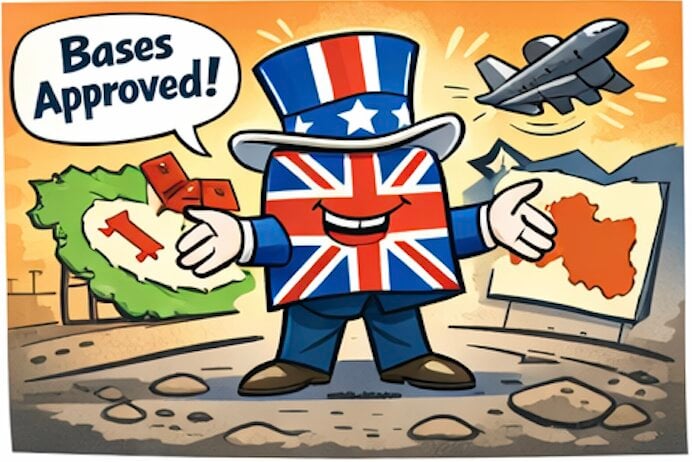
UK Approves Use of British Bases for U.S. Strikes on Iranian Missile Sites

Britain has approved the use of UK-linked bases for U.S. strikes on Iranian missile sites targeting ships, raising the political and military stakes around Hormuz.

UK Approves Use of British Bases for U.S. Strikes on Iranian Missile Sites

Britain has approved the use of UK-linked military bases for U.S. strikes on Iranian missile sites accused of targeting ships in the Strait of Hormuz. That is a serious escalation marker, because it moves the UK from anxious observer to active enabler in one of the world's most economically sensitive conflict zones.

The decision also matters for energy markets. Any sign of deeper Western military involvement can reignite fears about retaliation, tanker security and wider regional spillover. In other words, this is not just a defense story. It is also a shipping-insurance story, an oil-price story and, eventually, a fuel-bill story. Markets may like diplomacy, but they pay very close attention when airfields and missile sites enter the same sentence.

  • The UK approved use of bases for U.S. strikes.
  • The reported target was Iranian missile infrastructure threatening ships.
  • Hormuz-related supply risks remain highly sensitive to military escalation.

Watch: U.S.-Iran War LIVE: Is the West Heading Into a Wider Conflict?

Related Fuel News

More updates you might want to read next.

Kanpur-Kabrai NH-34 Highway Cleared At Rs 7,145 Crore: Why The BOT Toll Corridor Matters For Freight

The Cabinet has approved a Rs 7,145.14 crore, 117.7-km access-controlled greenfield highway between Kanpur and Kabrai on NH-34 in Uttar Pradesh. The BOT toll project is designed to cut travel time from 3.5 hours to 1.5 hours, strengthen links to the Kabrai mining belt and Bundelkhand corridor, and lower logistics friction for freight, construction material and agricultural movement.

India Resets Export Duty On Petrol, Diesel And ATF From July 1: Why Refiners, Airlines And Fuel Users Should Watch It

India has reset windfall-linked export duties from July 1, 2026 by raising the levy on petrol exports to Rs 4 per litre while cutting diesel and aviation turbine fuel export duties to Rs 8.50 and Rs 7.50 per litre respectively. The move matters because it changes refining economics, export incentives and the downstream pressure points that can eventually shape domestic fuel availability, airline costs and broader transport pricing.

Commercial LPG Down Rs 183.50, ATF Cheaper By Rs 5: What July Relief Means

State-run oil companies cut the 19-kg commercial LPG cylinder price by Rs 183.50 from July 1, 2026 and reduced aviation turbine fuel by Rs 5 per litre to about Rs 110 in Delhi. The move offers relief to restaurants, hotels and airlines, but household LPG, petrol and diesel users are still waiting.