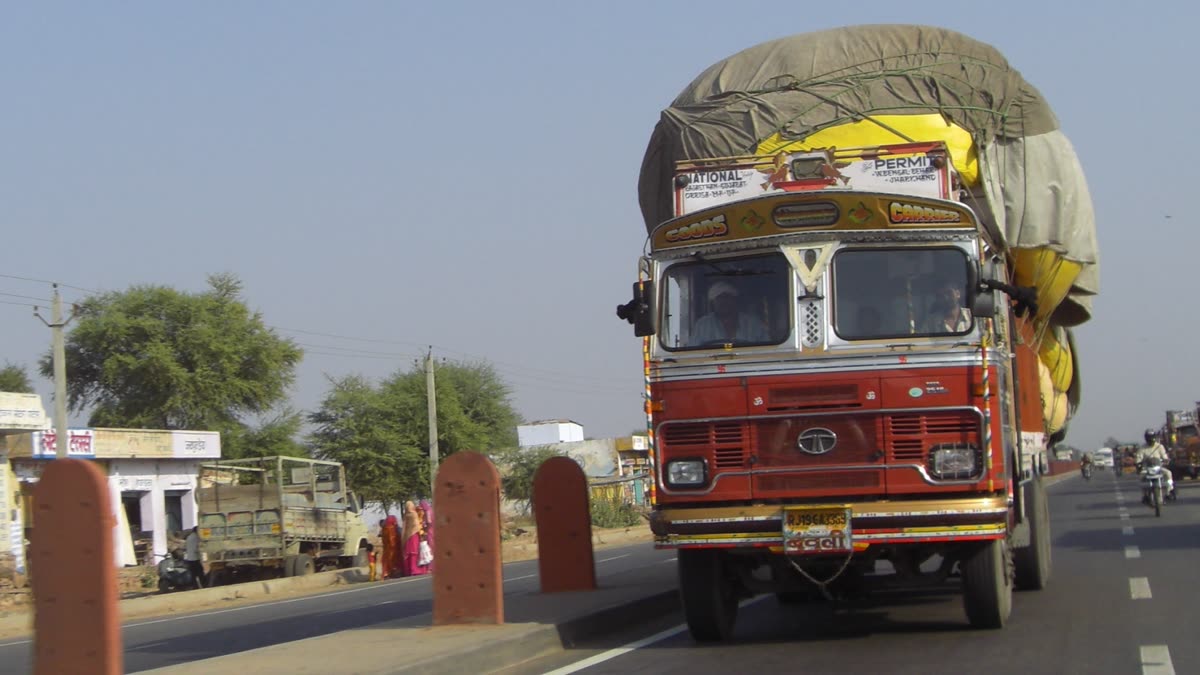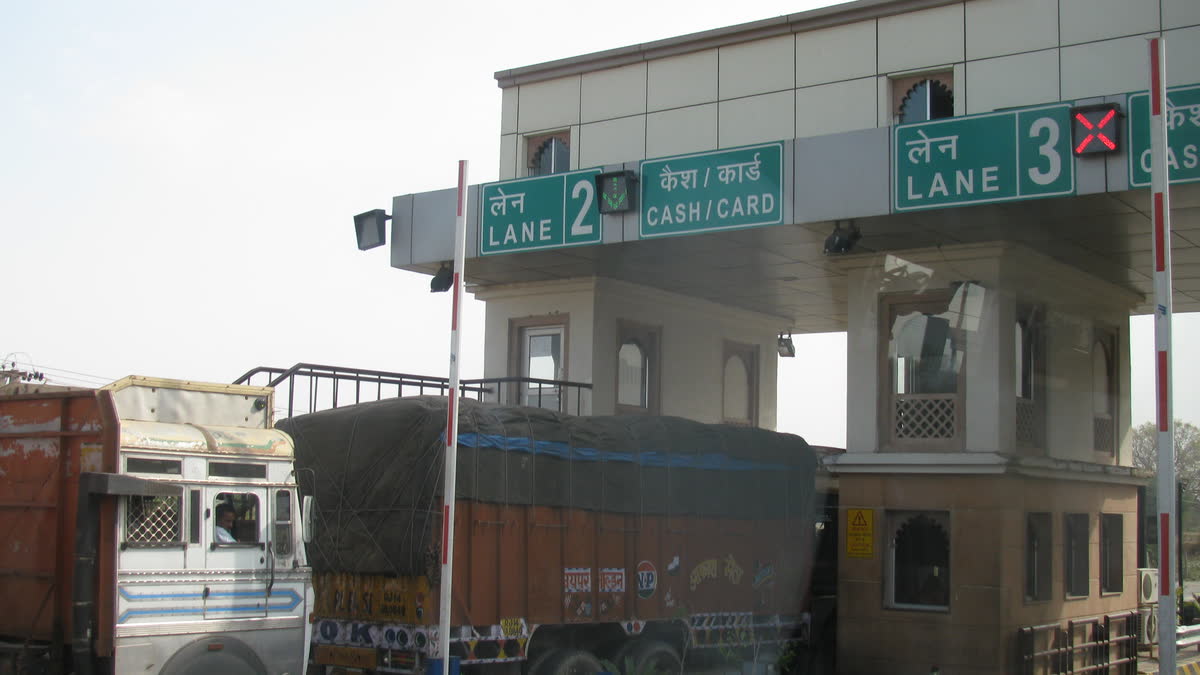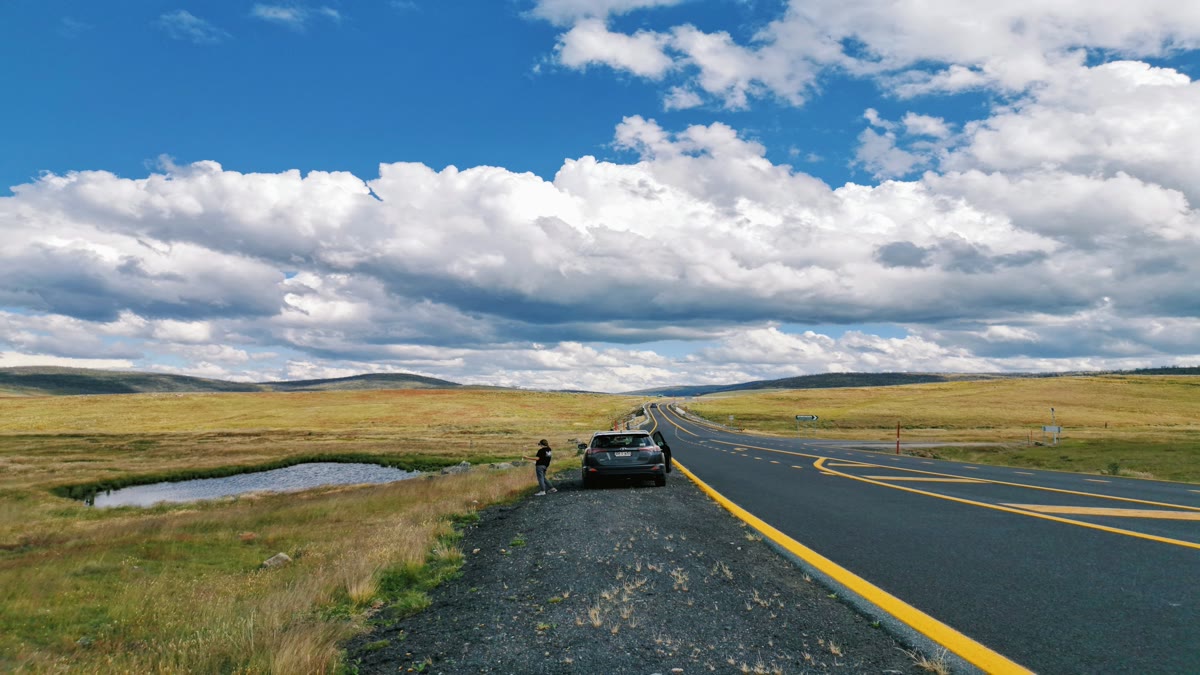
A car that stops on a National Highway is a safety problem before it is a repair problem. This guide explains how Indian drivers can make the vehicle visible, call NHAI's 1033 highway helpline or the government's 112 emergency number, give an accurate location and wait safely while the right response is arranged.
Key takeaways
- Call 1033 for a breakdown, obstruction, FASTag issue or other incident on an NHAI-tolled National Highway; the helpline is designed to coordinate patrol vehicles, ambulances and cranes.
- Call 112 first when somebody is injured, trapped, threatened or facing fire or another urgent police, fire or medical emergency.
- Move the vehicle out of a live lane only if it can be done safely, switch on hazard lights and keep people away from traffic.
- Tell the operator the road name, travel direction, kilometre marker, nearest toll plaza, GPS location, vehicle details and whether anybody is hurt.
- NHAI assistance can arrange incident response, but it is not a promise of free mechanical repair, insurance settlement or compensation.
- Before a long trip, check the route, tolls and fuel budget and keep the required roadside equipment accessible.
Why this highway breakdown guide matters now
On 25 November 2026, the Press Information Bureau said NHAI had issued guidelines requiring Incident Management Services before a National Highway stretch is opened to traffic. The planned response package includes an ambulance, a route-patrolling vehicle and a tow-away crane, connected to the 1033 National Highway Helpline and coordinated with local police, fire services and hospitals.
The change matters to drivers because it clarifies the first call to make when a vehicle becomes disabled or a crash blocks a highway. It does not mean every problem will be fixed on the shoulder or that assistance will arrive instantly at every location. The availability and deployment arrangement depends on the stretch, the authority managing it and the nature of the incident.
A 21 September 2026 Ministry of Road Transport and Highways circular says tolled National Highway stretches entrusted to states, Union territories or NHIDCL should be covered by Incident Management Services. For two-lane roads with paved shoulders and four-lane-or-wider stretches, the circular links rescue-ambulance deployment with the 112 and 1033 helplines. NHAI's latest public explanation also says ambulances on operational stretches can be placed at user-fee plazas or other suitable locations using accident data.
1033 or 112: which number should you call?
Use the nature of the risk to choose the first call. If a person is in immediate danger, do not wait for a tow response before seeking emergency help.
| Situation | First channel | Confirmed scope as of November 2026 |
|---|---|---|
| Vehicle breakdown, blocked carriageway, highway hazard, toll or FASTag complaint | 1033 | NHAI's four-digit, toll-free helpline operates 24x7x365 on NHAI-tolled stretches and can coordinate patrol vehicles, ambulances and cranes. |
| Serious injury, trapped person, fire, crime or urgent police, fire or medical help | 112 | Government ERSS describes 112 as India's single emergency number, available 24x7 in all 36 states and Union territories and free to call. |
| Incident on a highway where the caller is unsure which agency manages the road | 112 for immediate danger; 1033 for highway coordination | Give the exact location and ask the operator to route the response. Do not assume that a toll plaza or contractor can provide medical or repair services without a request. |
The practical sequence can be both safety-led and simple: call 112 when there is an injury, fire, entrapment or immediate threat; call 1033 when the main need is highway incident coordination, patrol support or a crane. If the situation changes while you are waiting, update the helpline rather than standing in a live lane to inspect the vehicle.
Step-by-step: what to do after a car stops
1. Make the vehicle and people visible
- If the car can still move without creating another risk, guide it to a shoulder, lay-by or other safe location away from moving traffic. Do not attempt a risky manoeuvre just to reach a shoulder.
- Switch on hazard lights and keep the vehicle stationary. Do not stand behind the car, walk along the carriageway or open doors towards fast-moving traffic.
- Move occupants away from the traffic side and towards a safer location only when that movement is safer than remaining in the vehicle. If there is smoke, fire, a crash or a trapped person, call 112 and follow the operator's instructions.
- Do not try roadside repairs in darkness, poor visibility or a high-speed lane. A phone call and a clear location are more useful than a repair attempt that exposes people to traffic.
Rule 138(4) of the Central Motor Vehicles Rules, in the Ministry's published text, requires vehicles other than motorcycles to carry a ready spare wheel subject to the run-flat exception, a manufacturer-specified tool kit and red reflective warning triangles for use when the vehicle is stranded. The text specifies one triangle for a four-wheeler with gross vehicle weight not exceeding 7.5 tonnes and two for a four-wheeler above 7.5 tonnes. Keep the triangle where it can be reached without unloading luggage into the traffic side.
2. Capture the location before calling
A highway operator can arrange the right response only when the location is usable. Before calling, note the National Highway number or route name, direction of travel, nearest town or toll plaza, kilometre marker, lane or shoulder position and a GPS pin if the phone displays one. Also note the vehicle registration number, colour, make, the type of problem and whether the vehicle is blocking traffic.
NHAI's published FAQ says the 1033 call centre collects the incident information and raises a ticket in its Computer Aided Dispatch system so a nearby ambulance or crane can be sent when required. Speak slowly, repeat the location and keep the phone available in case the operator calls back.
3. Say what kind of help is needed
- Say medical emergency when anyone is injured, unconscious, trapped or needs urgent medical help. Do not describe this as only a breakdown.
- Say vehicle obstruction when the disabled car is in or close to a live lane and a patrol vehicle or crane is needed to protect traffic or clear the road.
- Say mechanical breakdown when the car is safely off the carriageway but cannot continue. Ask what highway assistance is available and separately check the insurer's or manufacturer's roadside-assistance terms.
- Say fire, fuel leak or dangerous load immediately. Keep people away and follow the emergency operator's directions rather than inspecting the source yourself.
4. Wait without creating a second incident
- Stay on the safe side of a barrier or in another protected location where possible. Keep children and passengers together and away from the road edge.
- Share the live location with a family member or travel companion, but do not post personal documents or policy details publicly.
- Be cautious about unsolicited tow operators who arrive before the requested response. Confirm the destination, price and who authorised the tow before handing over keys, unless police or emergency responders direct otherwise.
- Do not leave an injured person unattended to search for a fuel station or mechanic. Tell 112 or 1033 that the vehicle is occupied and the current condition has changed.
What NHAI assistance can and cannot do
NHAI's 1033 service is a coordination channel, not a general roadside-garage service. IHMCL says the helpline is integrated with toll-plaza ambulances, patrol vehicles and cranes, and accepts non-emergency complaints about FASTag, toll charges, road conditions, potholes and highway facilities. NHAI's FAQ describes ambulance support for first aid or transport to a nearby hospital and crane support for clearing a wrecked vehicle when required.
That scope is important. The same NHAI FAQ says there is no separate provision for vehicle repair services on National Highways. It also says there is no NHAI insurance policy providing financial compensation to victims of road accidents on National Highways. A 1033 call can help coordinate an incident, but it should not be treated as a guarantee that an insurer will approve a claim, a mechanic will repair the car for free or NHAI will pay the repair bill.
For a safely parked car with a flat tyre, dead battery or empty tank, the insurer's roadside-assistance number, manufacturer assistance or a verified local service may be the relevant next step. For an unsafe location, a blocked lane or a crash, report the highway incident to 1033 and use 112 when there is an urgent threat to life, health, property or public safety.
What to check before a long highway trip
- Plan the route. Use the FuelPrice road-trip planner to review the route and likely stops before leaving. A little location planning makes a future 1033 call more precise.
- Check toll exposure. Review the route's charges through the toll-charge calculator hub, and keep FASTag active with enough balance for the planned journey.
- Check fuel range. Use the fuel cost calculator and compare the result with the car's realistic range, not only its brochure figure. The live price can be checked on the FuelPrice fuel-prices page before departure.
- Keep documents accessible. Carry or securely access the driving licence, registration certificate, insurance details and PUC record. Save the insurer's roadside-assistance number separately from the phone in the car.
- Inspect the equipment. Check the spare wheel or run-flat arrangement, jack, manufacturer tool kit, reflective triangle, torch, phone charger and basic puncture equipment. The required items should be reachable without standing in the traffic lane.
- Check people and weather. Charge phones, share the route with someone at home and reconsider departure if weather, visibility or fatigue makes the planned drive unsafe.
A worked rupee example for trip planning
The breakdown call itself should be treated as a safety step, not as a trip-budget shortcut. For a simple planning illustration, assume a 420-km round trip, fuel efficiency of 16 km per litre, a fuel-rate assumption of ₹100 per litre and tolls of ₹600. These are deliberately illustrative inputs, not a live November 2026 price quote.
- Fuel needed: 420 ÷ 16 = 26.25 litres.
- Illustrative fuel cost: 26.25 × ₹100 = ₹2,625.
- Illustrative fuel plus toll total: ₹2,625 + ₹600 = ₹3,225.
Replace the assumed fuel rate with the current rate for the city where you refuel and verify the toll for the selected route. A breakdown, recovery charge, parking charge or repair is not included in this illustration because those costs vary by policy, provider, location and incident. That is why keeping the insurer's terms and the 1033 and 112 numbers ready matters even when the planned trip budget looks complete.
Frequently asked questions
Is 1033 only for FASTag complaints?
No. IHMCL describes 1033 as a 24x7x365 highway helpline for emergency and non-emergency issues on NHAI-tolled stretches. It can take FASTag and toll complaints, but it also coordinates highway patrol, ambulance and crane support when the incident requires it.
Should I call 1033 or 112 after a highway crash?
Call 112 first when anyone is injured, trapped, facing fire or needs urgent police, fire or medical assistance. Call 1033 as the highway-coordination channel for patrol, ambulance or crane support, especially when the incident is obstructing the carriageway.
Will NHAI repair my car after a breakdown?
Do not assume that it will. NHAI's published FAQ describes incident response and crane support, while stating that no separate vehicle-repair service is provided on National Highways. Check the insurer's or manufacturer's roadside-assistance terms for repair or towing conditions.
What equipment should a car carry when it may be stranded?
The Ministry's published CMVR Rule 138(4) text covers a spare wheel subject to the run-flat exception, the manufacturer's tool kit and reflective warning triangles for vehicles other than motorcycles. The number of triangles depends on the four-wheeler's gross vehicle weight, so check the rule and the vehicle category before travel.
Is 1033 available on every road in India?
The IHMCL description is for NHAI's National Highway network and specifically refers to NHAI-tolled stretches. On a state road, city road or another road outside that scope, use 112 for an urgent emergency and the relevant local road, police or insurer channel for non-emergency help.
Sources
- Press Information Bureau — “NHAI to Ensure Availability of Incident Management Services Before Opening of National Highway Stretches” — 25 Nov 2026
- Ministry of Road Transport and Highways — “Provision for Incident Management Services on NHs entrusted with State Governments/UTs/NHIDCL” — circular dated 21 Sep 2026, published in Indian Highways, Nov 2026
- Indian Highways Management Company Limited — “24×7 National Highways Helpline – 1033” — accessed 26 Nov 2026
- NHAI — “Frequently Asked Questions” — accessed 26 Nov 2026
- Government Emergency Response Support System — “FAQ” — accessed 26 Nov 2026
- Ministry of Road Transport and Highways — “Central Motor Vehicles Rules, Chapter VI: Control of Traffic” — Rule 138, accessed 26 Nov 2026
- NDTV — “Highway Authority's New Plan To Help Motorists After Accidents, Breakdowns” — 26 Nov 2026
- Unsplash — “Alpine roads ahead”, photograph by Mariya Tarakhnenko, published 31 Dec 2020; accessed 26 Nov 2026