FASTag customer care is not one universal number. Use the issuing bank for account, recharge, transaction and refund issues; use NHAI's 1033 helpline for a National Highway toll-plaza or road-side problem; and use RBI's Complaint Management System only after a covered issuer has received and failed to resolve your complaint.
This guide shows how to identify the correct route, preserve evidence and escalate without losing the transaction trail. Record the tag issuer, vehicle number, plaza, date, time, amount, transaction reference and complaint ID before moving between channels.
Key takeaways
- There is no single customer-care number for every FASTag wallet. The issuer bank remains the first stop for account and debit disputes.
- Call the toll-free 1033 helpline for a FASTag that is not read or accepted at an NHAI plaza, an incorrect blacklist message, or a highway/toll-plaza issue.
- Keep the SMS or statement, toll receipt, vehicle registration number, plaza name, transaction reference and every complaint number together.
- NHAI's Updated Citizen Charter lists a 30-day service standard for FASTag complaints such as wrong deduction and blacklisting, as of the August 2024 charter.
- Under RBI's 2026 Ombudsman FAQ, a complaint can move to RBI CMS after no reply within 30 days or the applicable higher timeline, or after an unsatisfactory reply; the filing window is generally 90 days.
1. Why the right FASTag channel matters
FASTag is an interoperable electronic toll-payment system. NPCI provides the NETC clearing and dispute-management framework, while an issuer bank or other issuer maintains the customer-facing tag account. NHAI and IHMCL operate the national-highway support layer, including 1033.
A reader failure at the plaza is operational. A duplicate debit, missing recharge, blocked wallet or missing refund is an issuer-account issue. Starting with the wrong number can delay the fix and leave you without a complaint reference from the party that can correct the record.
- Wallet or transaction problem: contact the issuing bank or issuer's official app and register a transaction-specific complaint.
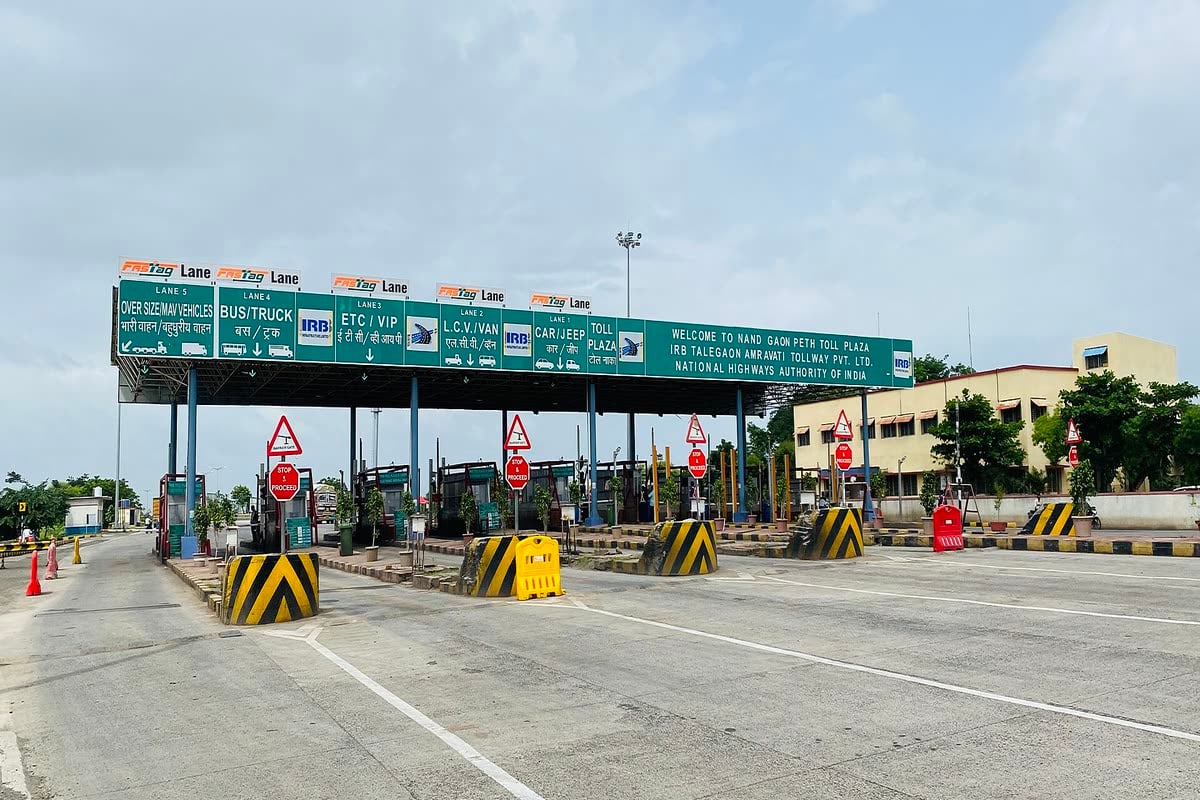
- Plaza or highway problem: call 1033 while you are at, or soon after leaving, the National Highway toll plaza.
- Issuer service not resolved: preserve the issuer complaint number and use the RBI CMS route only when the issuer is a covered regulated entity and the RBI scheme's conditions are met.
For a trip-cost baseline before checking a disputed toll, use FuelPrice's toll-charge calculator and keep the route, vehicle class and date separate from the complaint itself.
2. Find the issuer before you call
Do not rely on an unverified phone number found in a search result or social post. Find the issuer in the recharge app, FASTag SMS, account statement, tag packaging or its official website. If several tags are linked to the vehicle, check the official NETC status facility or MyFASTag workflow and note which tag generated the transaction.
Compare the available balance, transaction time and plaza record before labelling a debit an error. FuelPrice's FASTag balance and wrong-deduction guide covers the basic checks.
3. Build an evidence packet
- Write the vehicle registration number, tag issuer and the last four characters of the tag or wallet reference if visible.
- Record the date and time, toll-plaza name, direction of travel, lane, amount and whether a receipt or cash payment was also taken.
- Save the debit SMS, wallet ledger or bank statement and note every transaction reference number. For a duplicate debit, capture both entries.
- Photograph or scan the toll receipt, lane display or any written notice. A location pin or route screenshot can help when the plaza name is unclear.
- Use only the official issuer channel, describe one transaction per complaint where possible, and ask for a complaint or service-request number.
- Do not send an OTP, UPI PIN, card PIN or full banking password to a caller. A genuine complaint needs transaction evidence, not secret authentication codes.
4. The correct escalation path
Step 1: Issuing bank or tag issuer
Start here for a wrong deduction, duplicate debit, recharge not reflected, missing refund, tag closure, replacement, account block or delayed delivery. The issuer can see the wallet ledger and transaction reference that a toll-plaza operator cannot. Use the bank's current official app, website, email or phone channel, and keep the acknowledgement.
Ask the issuer whether it is checking a duplicate, a reversal or a blacklist condition, and keep the acknowledgement.
Step 2: NHAI's 1033 helpline
IHMCL describes 1033 as a single four-digit, toll-free universal-access number for National Highway road users. Its current helpline page says the service is available 24x7x365 and covers FASTag complaints, toll charges, plaza facilities and highway issues.
- Call 1033 when the plaza does not accept or read the tag.
- Use it when the tag is shown as blacklisted at the plaza even though the issuer status does not show that condition.
- Use it for a toll-plaza or highway issue, including a problem with a supported pass or toll-charge handling.
- Give the operator the plaza, lane, direction, vehicle number, tag issuer, time and transaction amount, then save the call or complaint reference.
1033 is not a replacement for the issuer's wallet complaint. If money was deducted, register the transaction with the issuer as well. The NHAI FASTag FAQ also directs customers to the issuer for issues such as delayed tag delivery and says unresolved issuer-care issues may be escalated to IHMCL.
Step 3: NHAI/IHMCL follow-up
If the issuer's customer-care line is not responding, IHMCL's FASTag FAQ lists [email protected] as an escalation email. Treat this as a documented escalation, not a reason to skip the issuer complaint: include the issuer name, complaint number, transaction references, a short chronology and the relief being requested. Send only the documents needed to identify the case.
NHAI's Updated Citizen Charter lists FASTag complaints such as wrong deduction and blacklisting with a 30-day service standard and identifies the 24x7 1033 helpline as the complaint-registration channel. This is a service standard in the charter, not a promise that every refund will arrive on the same day.
Step 4: RBI Complaint Management System
RBI CMS is a later-stage route for a service deficiency by a covered bank, prepaid-payment issuer or other regulated entity. RBI's 2026 FAQ says the customer must first approach the concerned regulated entity. The Ombudsman route becomes available when no reply is received within 30 days or the higher timeline specified under applicable RBI, NPCI or card-network guidelines, or when the reply or resolution is not satisfactory.
The complaint is generally filed within 90 days from the end of that timeline or the last communication, whichever is later. RBI says there is no fee, and its contact centre can help with process and status; the complaint itself is filed through the CMS portal, email or physical route. RBI CMS is not the first number for a vehicle stuck at a toll plaza.
5. Channel comparison as of November 2026
| Channel | Best use | Published timing or access | What to retain |
|---|---|---|---|
| Issuing bank or tag issuer | Wallet, recharge, wrong debit, refund, block or replacement | Issuer-specific; register the complaint through its current official channel | Complaint number, transaction references and the issuer's reply |
| NHAI 1033 | Tag not read or accepted, wrong blacklist message, toll-plaza and highway issues | Four-digit toll-free helpline; 24x7x365 | Plaza, lane, vehicle number, call time and helpline reference |
| NHAI Citizen Charter route | FASTag complaints including wrong deduction and blacklisting | 30-day service standard in the Updated Citizen Charter 2024 | 1033 registration details and proof of the toll event |
| RBI CMS / Ombudsman | Unresolved service deficiency by a covered regulated issuer | After 30 days or the applicable higher timeline; generally file within 90 days; no filing fee | Issuer complaint, acknowledgement, reply and supporting documents |
6. Worked rupee example: isolate the disputed amount
Suppose a wallet ledger shows two FASTag debits of ₹185 for the same plaza at 11:02 and 11:05, and the journey record supports only one crossing. The ledger total is ₹370, but the potentially duplicate component is ₹185. A complaint should list both transaction references, the plaza and the matching time window rather than simply demanding ₹370.
- If one ₹185 debit is valid and the second is a duplicate, ask the issuer to investigate the second reference and any reversal.
- If the driver also paid ₹185 in cash because the tag was not accepted, attach the cash receipt and call 1033 for the plaza failure while the issuer checks the electronic debit.
- If the two debits relate to two separate crossings, the arithmetic is not proof of an error; the route and plaza records still need checking.
This illustration separates the total shown in an account from the amount that the evidence puts in dispute.
7. Common situations and the next action
- Tag not read: report the live plaza problem to 1033 and ask the issuer to check the tag status, windshield placement or account state after the journey.
- Tag shown as blacklisted: call 1033 if the message appears at an NHAI plaza, then ask the issuer why the account or tag was marked that way.
- Wrong or duplicate deduction: open the issuer complaint with both transaction references; use 1033 if the toll-plaza event also failed or the charge needs operational verification. A recent FuelPrice report on a FASTag penalty dispute shows why the plaza, balance and transaction trail should be recorded together.
- Lost or damaged tag: ask the issuer to block or replace it and confirm how any residual balance will move. The FASTag damaged or lost replacement guide covers the vehicle-sale and windshield checks.
8. What to check before closing the complaint
- Confirm that the transaction belongs to the correct vehicle and tag, not an older tag linked to the registration number.
- Match the debit amount, plaza and time with the route and any receipt.
- Ask whether the issuer is treating the case as a duplicate, a reversal, a blacklist event or a valid second crossing.
- Save the complaint number, the response date and the exact resolution promised.
- Check the wallet ledger after the stated action; a verbal assurance is not the same as a posted reversal.
- If the response is missing or unsatisfactory, use the next escalation only with the earlier complaint evidence attached.
- Before the next long drive, use FuelPrice's road-trip planner to keep the route and toll plazas visible.
9. FAQ
What is the FASTag customer-care number in India?
There is no universal issuer-bank number for every tag. Call 1033 for National Highway toll-plaza and highway issues; for wallet, recharge, debit, refund, closure or replacement matters, use the current official customer-care channel of the bank or issuer shown in your account.
Can I call 1033 for a wrong FASTag deduction?
Yes, NHAI's citizen charter includes wrong deduction among FASTag complaints that can be raised through 1033. The issuer should also receive the transaction complaint because it controls the customer wallet and can trace or post a reversal.
When can a FASTag complaint go to RBI?
First complain to the concerned regulated issuer. RBI's 2026 FAQ allows the Ombudsman route when there is no reply within 30 days or the applicable higher timeline, or when the issuer's reply is unsatisfactory; the general filing window is 90 days from the relevant deadline or last communication.
What if the issuer's FASTag number does not respond?
Record the failed attempts, keep the complaint request in writing and use the escalation route listed by IHMCL. Its current FAQ lists [email protected] for escalation when issuer customer care is not working; do not send OTPs or payment credentials.
Sources
- IHMCL, “FAQ – FASTag” (accessed 9 Nov 2026)
- IHMCL, “24×7 National Highway Helpline 1033” (accessed 9 Nov 2026)
- NHAI, “Updated Citizen Charter 2024” (Aug 2024)
- Reserve Bank of India, “Reserve Bank – Integrated Ombudsman Scheme, 2026: FAQs” (updated 1 Jul 2026)
- NPCI, “About NETC” (accessed 9 Nov 2026)
- Hero image: Ganesh Dhamodkar, “Nandgaon Peth Toll Plaza” (7 Aug 2023), Wikimedia Commons, CC BY-SA 4.0.
This article is for general information only and is not financial, insurance or legal advice.