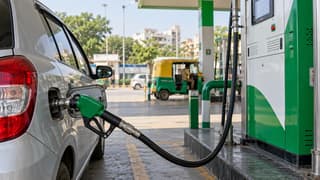
NEW DELHI: Petrol consumption rose 13.8% year-on-year in April while diesel sales inched up barely 1%, according to provisional data published by the oil ministry.
Sales of aviation turbine fuel and liquefied petroleum gas ( LPG ) increased by 8.4% and 12%, respectively, in April.
Sales of petrol by state-run fuel retailers rose 12.3%, showed provisional data sourced from state-run companies.
This is lower than the overall increase of 14% for the industry, indicating market share expansion for private players.
Similarly, diesel sales by state-run companies fell 2.3% against an overall 1% rise for the industry in April.
ATF and LPG sales by state-run companies expanded by 7% and 12%, respectively, in April.
Robust vehicle sales and the arrival of summer have helped boost petrol demand.
Vast majority of passenger vehicles sold in India are currently petrol-powered.
Campaigning for the ongoing general election, which increases mobility, also contributes to higher demand.
Diesel is used mainly by long-haul transporters, farmers and miners.
Meanwhile, rising air traffic helped boost jet fuel consumption.
Car sales & summer heat fuel petrol demand in April
Sales of petrol by state-run fuel retailers rose 12.3%, showed provisional data sourced from state-run companies. This is lower than the overall increase of 14% for the industry, indicating market share expansion for private players. Similarly, diesel sales by state-run companies fell 2.3% against an overall 1% rise for the industry in April. ATF and LPG sales by state-run companies expanded by 7% and 12%, respectively, in April.