A group of countries endorsed the COP31 Presidency’s voluntary “35-by-35” electrification pledge on 11 Nov 2026, supporting a rise in electricity’s share of global final energy use from about 23% today to 35% by 2035. The target does not change petrol or diesel prices today, but it could shape the next decade of vehicle, charging, grid and fuel-import policy worldwide.
Key takeaways
- The pledge targets electricity at 35% of global final energy use by 2035, up from around 23% today.
- Transport is a central delivery area, alongside buildings and industry, so EVs, charging networks and fleet planning are directly relevant.
- This is a voluntary political commitment, not a binding global EV quota, fuel tax, retail-price order or immediate ban on petrol and diesel.
- The result will depend on clean power, grid capacity, charging access, finance and country-level roadmaps.
What changed at COP31
The World Resources Institute said on 11 Nov 2026 that countries at the COP31 Leaders’ Summit had endorsed the Presidency’s pledge to increase electricity’s share of final global energy use from around 23% to 35% by 2035. The UNFCCC’s official summit programme placed a high-level dialogue titled “35 by 35: Powering the Future” on the leaders’ agenda in Antalya, Türkiye.
The wording matters. The pledge is a shared direction for electrification, not a single rule that applies identically in every market. Reporting by ABC News and Le Monde described it as voluntary and noted that governments were still debating whether the added electricity should be explicitly required to come from clean sources. At publication, it should therefore be read as a political signal and implementation framework rather than an enforceable global regulation.
Why road transport is part of the story
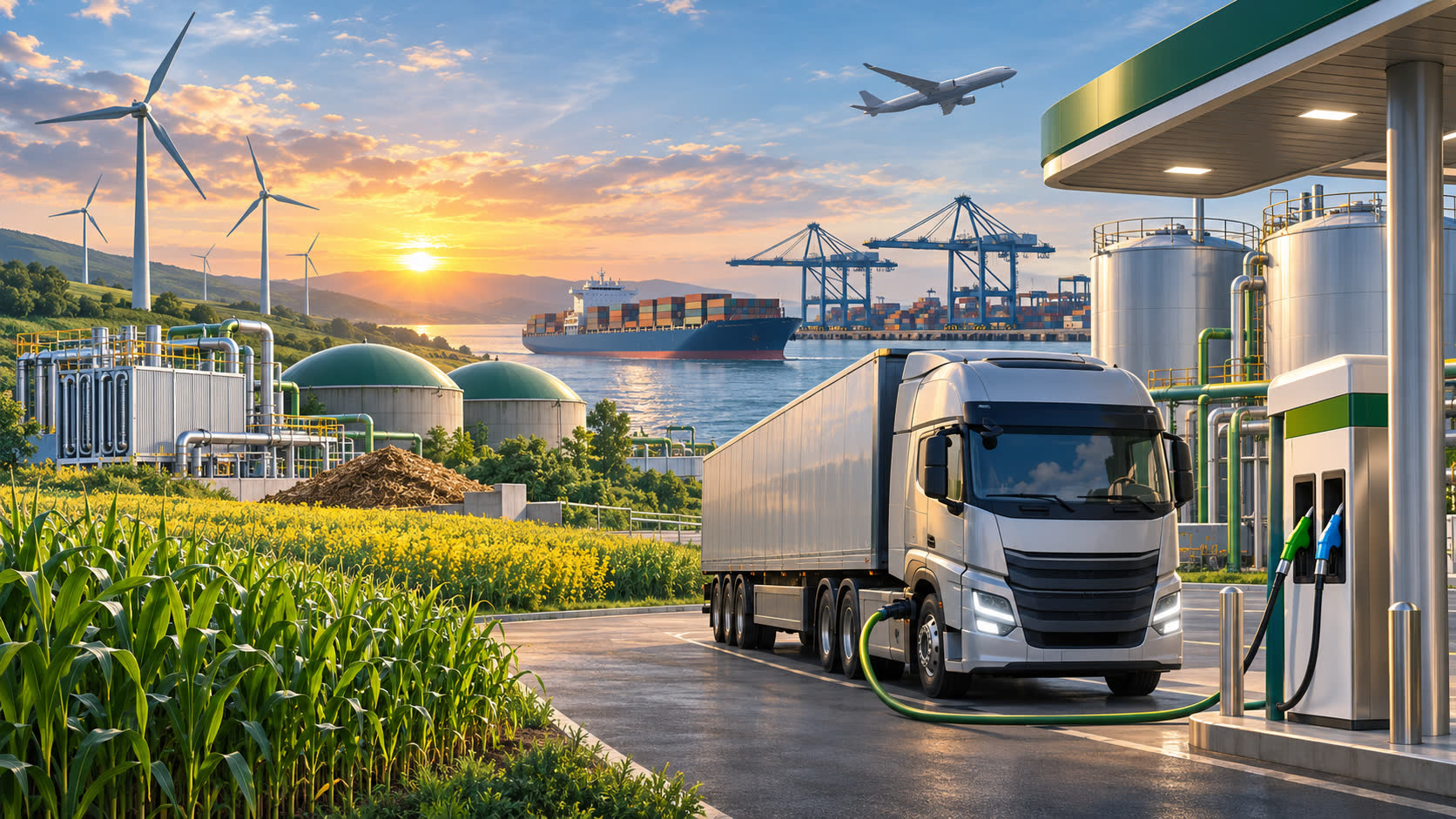
Electrification is one of the few energy-policy shifts that connects directly to a driver’s daily choices. A petrol or diesel car converts fuel into motion through an engine, while an EV moves energy through the grid, charger and battery. Reaching the COP31 ambition would require more of that change across private cars, buses, delivery fleets and some industrial vehicles, even though long-distance aviation, shipping and parts of heavy transport will remain harder to electrify.
The International Energy Agency’s Electrification report, published on 22 Sep 2026, said electricity accounted for around 23% of total final energy consumption and that EVs represented nearly 25% of new car sales worldwide in 2025. Le Monde independently described the same market position as roughly one in four new vehicles. Those figures show why transport is central to the discussion, but they do not mean the COP31 pledge sets a 2035 EV-sales quota for every country.
For drivers and fleet operators, the practical bridge is cost per kilometre rather than the headline target itself. Fuel prices vary by country, tax system, currency and local supply, while EV running costs depend on electricity tariffs, charging location, vehicle efficiency and access to home or depot charging. Readers can compare current local fuel rates through the FuelPrice fuel-prices page and estimate a journey with the fuel-cost calculator. EV owners and operators can also use the EV charging-station directory to check infrastructure availability.
What the pledge could change over time
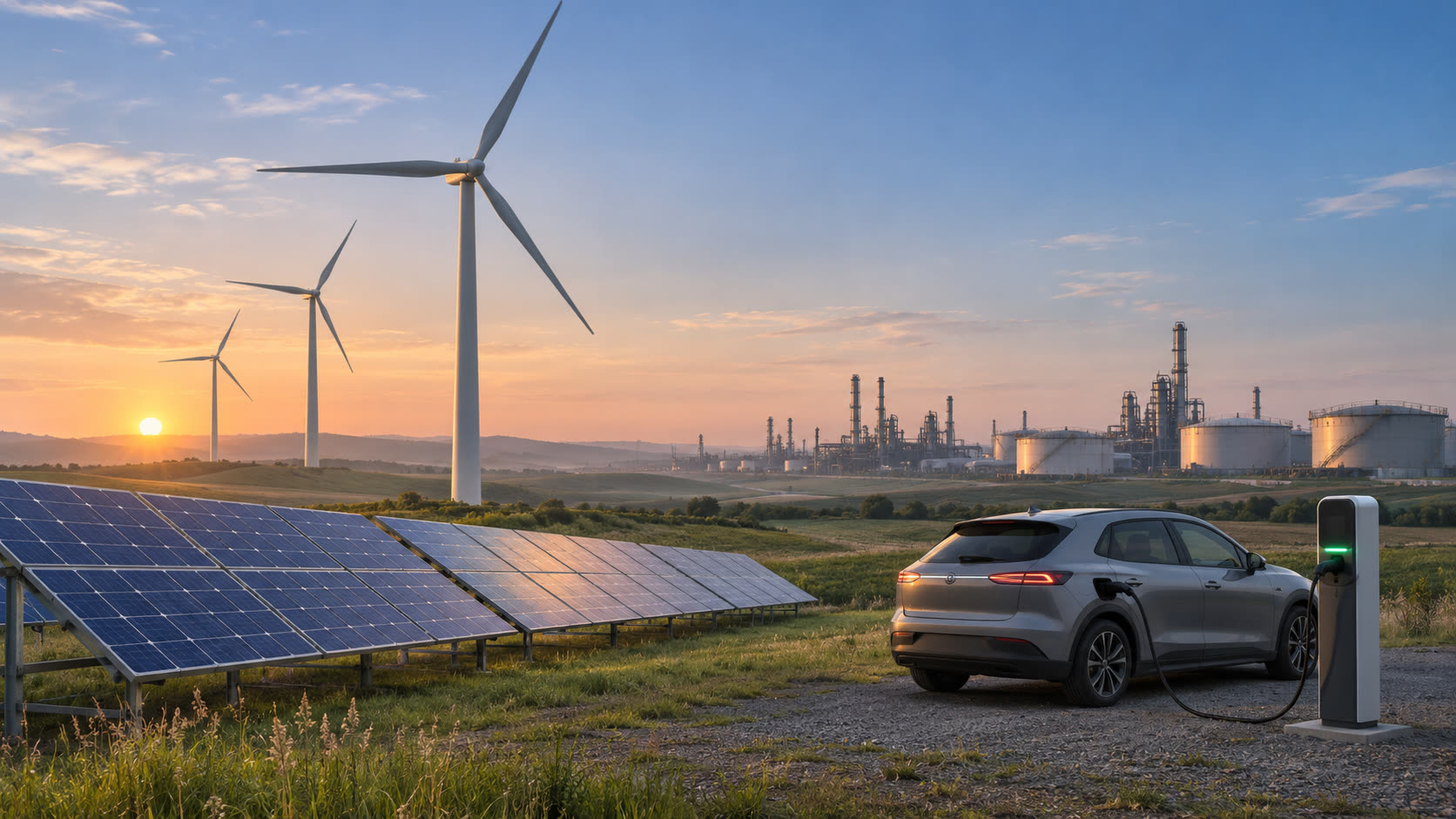
A successful electrification push would move policy attention from only producing more fuel to building the systems that let consumers use electricity instead. That includes distribution networks, fast-charging corridors, depot charging for commercial fleets, storage, electricity-market design and vehicle standards. It also means that a country’s energy mix becomes more important: an EV charged on a cleaner grid has a different emissions profile from one powered mainly by coal or gas.
The IEA says electrification can reduce continuous dependence on imported fuels once the relevant equipment and infrastructure are deployed. That is an energy-security argument as much as a climate argument. Countries that import much of their oil can reduce exposure to crude-price shocks in some road-transport uses, but the benefit is not automatic. The capital cost of vehicles and chargers, grid connection delays, financing conditions and unequal access can determine who benefits first.
The clean-power question is unresolved
The main criticism of the 35-by-35 approach is that a larger electricity share does not automatically mean lower fossil-fuel use. Electricity demand could rise while coal and gas continue to supply a large part of the power system. ABC News reported that the proposed wording did not require all additional electricity to come from clean sources, while Le Monde reported that the European Union and environmental groups wanted “clean” electrification to be more explicit.
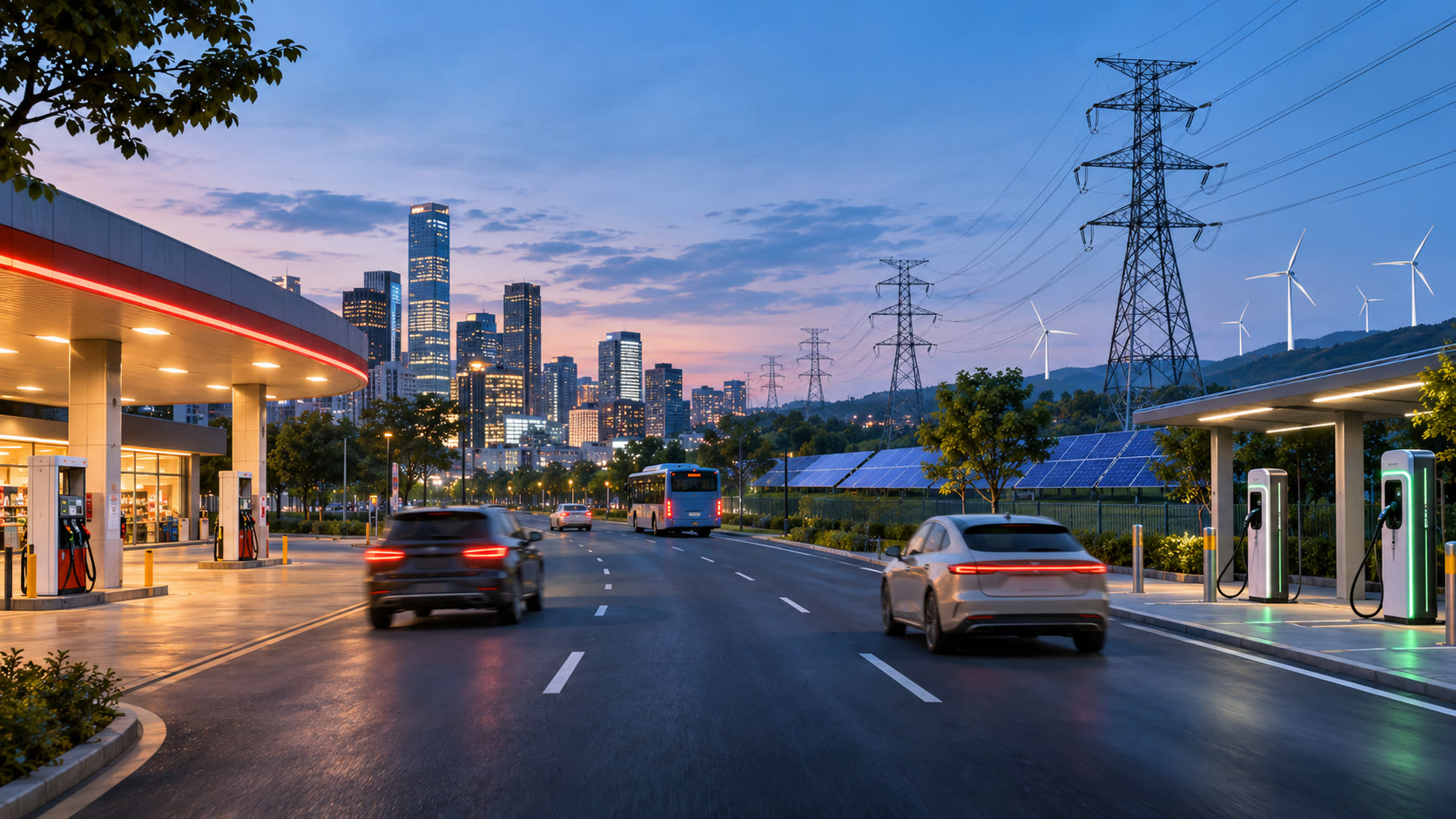
That distinction matters for motorists. A policy that expands EV sales without adding generation, transmission and charging capacity can create queues, higher peak-demand costs or unreliable access. The UNFCCC’s COP31 grid discussion identified network investment, storage and system flexibility as critical to scaling renewable-based electrification. In other words, more electric vehicles can reduce petrol and diesel demand only when drivers can charge conveniently and the power system can serve them.
What happens next
COP31 continues in Antalya through 20 Nov 2026, with the leaders’ summit and formal negotiations running alongside the Presidency’s implementation agenda. The next test is whether endorsing countries publish national or regional roadmaps that explain how transport, buildings and industry will electrify, how grids will be financed, and how lower-income consumers will be included.
Readers should watch four signals: whether the pledge appears in the conference’s final political outcomes; whether countries attach measurable transport and charging plans to it; whether grid and storage investment accelerates; and whether electricity remains affordable as demand grows. The site’s worldwide fuel news archive will track the energy-market and transport-policy developments that follow.
Reader takeaway
The 35-by-35 pledge is a meaningful global direction, but it is not an instant fuel-price cut or a worldwide petrol-and-diesel phase-out. For road users, its importance lies in what governments and industry do next: build dependable charging, expand and clean the grid, keep energy affordable and make vehicle choices workable for real routes. The headline target sets a common reference point; delivery will be measured in chargers, kilometres, electricity bills and reduced exposure to volatile imported fuels.
This article is for general information only and is not financial, insurance or legal advice.
Sources
- World Resources Institute — “STATEMENT: Countries Endorse 35x35 Electrification Pledge at COP31” — 11 Nov 2026.
- UNFCCC — “Antalya Leaders’ Summit at COP 31” — 11 Nov 2026 event programme.
- ABC News — “COP31 electric power target sparks row over cutting fossil fuel use” — 11 Nov 2026.
- Le Monde — “Why electrification is at the heart of COP31 talks” — 11 Nov 2026.
- International Energy Agency — “Electrification” — 22 Sep 2026.