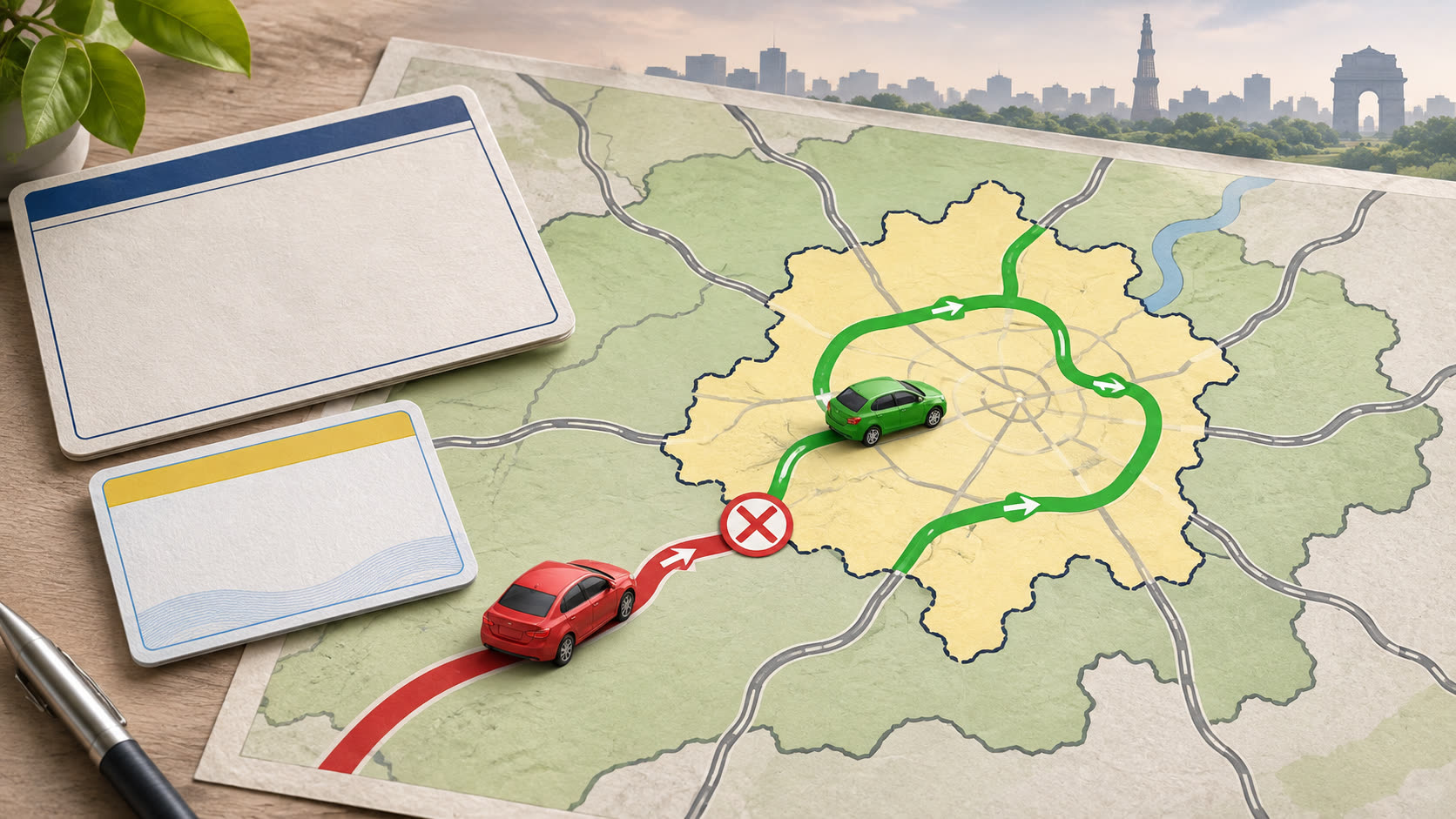
Delhi authorities checked 1,81,548 non-Delhi vehicles below BS-VI emission standards between 1 and 17 November 2026; 30,742 were turned back at the border, 2,817 were challaned and 189 were seized. The update matters for drivers coming from Noida, Gurugram, Ghaziabad and other NCR areas because the separate non-Delhi vehicle restriction remains in force until 31 January 2027, even after Stage III of the Graded Response Action Plan (GRAP) was withdrawn.
Key takeaways
- Enforcement teams checked 1,81,548 non-Delhi vehicles below BS-VI standards from 1 to 17 November, excluding CNG and electric vehicles.
- Of that group, 30,742 vehicles were turned back, 2,817 were challaned and 189 were seized, according to reports of the Delhi government review.
- Authorities also issued 25,610 challans for vehicles without valid Pollution Under Control (PUC) certificates during the same period.
- The non-Delhi vehicle restriction is separate from the GRAP stage order and is reported to continue until 31 January 2027; CNG and electric vehicles are exempt from this specific restriction.
What the November numbers show
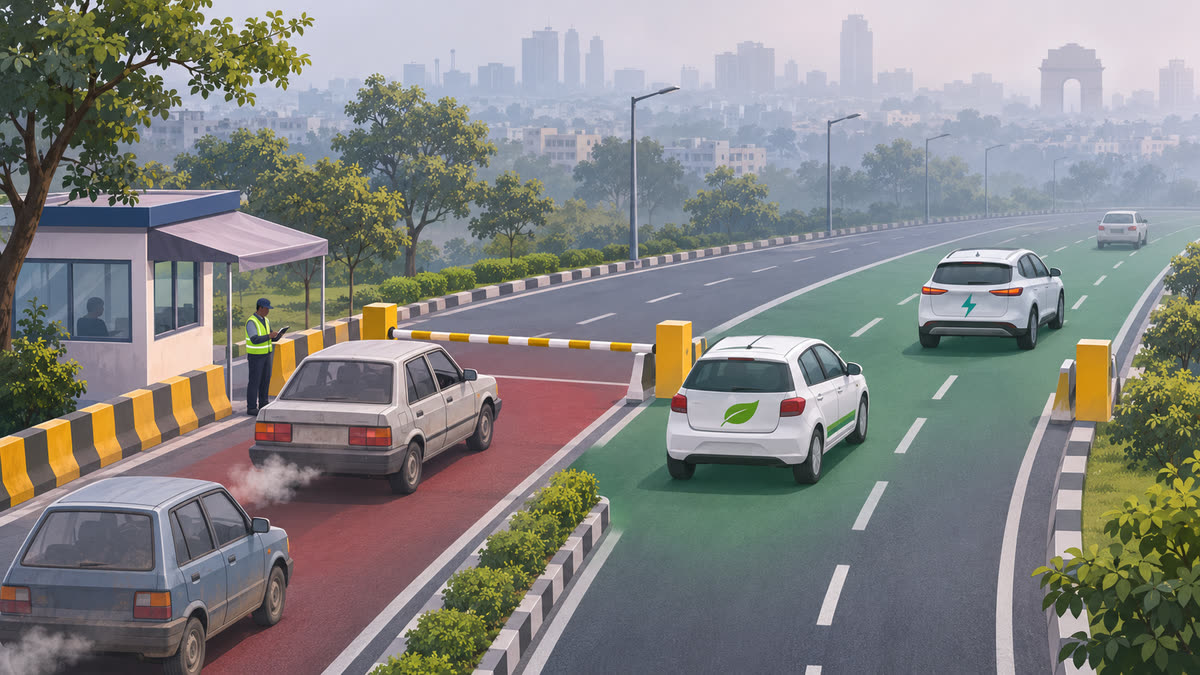
India Today and NDTV Profit reported the same main enforcement figures after a Delhi government pollution review meeting. From 1 to 17 November, teams checked non-Delhi vehicles below BS-VI standards at the capital's borders. CNG and electric vehicles were excluded from that count. The reports said 30,742 vehicles were sent back, while 2,817 received challans and 189 were seized.
The figures show that the winter rule is being applied at entry points rather than remaining only an advisory. A vehicle that is stopped may have to turn around, change the day's route or wait for another travel option. For a daily commuter, that can mean a missed appointment; for a delivery or fleet operator, it can mean a longer route, extra fuel and a delayed arrival.
The separate PUC enforcement is also significant. Reports said 25,610 challans were issued between 1 and 17 November to vehicles without valid PUC certificates. The reported aggregate penalties in the enforcement drive exceeded ₹5.42 crore. Neither report gives a single per-vehicle challan amount for this update, so the aggregate figure should not be treated as the penalty for every vehicle or as a new flat fine.
This is a follow-up to the GRAP update
FuelPrice previously reported the withdrawal of Stage III GRAP restrictions in Delhi-NCR. That order concerned the air-quality stage and the restrictions attached to it; the current border-check data concerns a separate entry rule for certain non-Delhi vehicles. A reduction in the GRAP stage therefore does not automatically mean that every older vehicle can enter Delhi.
The primary CAQM Direction No. 104, dated 29 September 2026, says the revised GRAP schedule applies when the relevant stage is invoked and assigns authorities responsibility for enforcing PUC norms and vehicle restrictions. Current entry conditions can also be amended through later orders, so drivers should check the latest notice before a journey.
Who needs to be careful
The rule described in the latest reports targets vehicles registered outside Delhi that fall below BS-VI standards. This is especially relevant to people who live in Gurugram, Noida, Ghaziabad, Faridabad or nearby towns and cross the border for work, school, medical appointments, shopping or freight movement.
Reports identify CNG and electric vehicles as exceptions to this specific non-BS-VI entry restriction. That does not remove other requirements. Owners still need to comply with applicable registration, insurance, PUC and permit rules, and commercial vehicles or buses may face separate conditions under the wider NCR pollution-control framework.
It is also important not to read the update as a nationwide BS-VI ban. The restriction described here is a Delhi entry measure affecting particular non-Delhi vehicles. A vehicle that is permitted to travel elsewhere may still be stopped at a Delhi border if it falls within the categories covered by the current rule.
What drivers should check before entering Delhi
1. Confirm the vehicle's emission category
Check the BS stage recorded for the vehicle in its registration documents or the relevant official vehicle record. Do not infer the standard only from the vehicle's age, model name or fuel type. If the document is unclear, resolve that before reaching a border point.
2. Check the PUC certificate
Keep the PUC status current and make the certificate accessible before travel. The November enforcement figures show that PUC checks are active alongside the entry restriction. A valid PUC does not by itself override a separate non-BS-VI entry restriction, and an eligible vehicle should not assume that a lapsed PUC will be ignored.
3. Separate fuel type from every other rule
CNG and electric vehicles were excluded from the reported non-BS-VI border-check count and identified as exceptions to that specific entry rule. Drivers should still check their registration, insurance, permit and any route-specific notice. An exception to one restriction is not a general exemption from road-traffic requirements.
4. Plan for a turnback or diversion
Use the FuelPrice road trip planner to compare a border-crossing route with a public-transport or alternate-road plan, then verify the latest Delhi and NCR advisories before leaving. The planner helps with preparation; it cannot guarantee that a checkpoint will remain open or that an exemption will be accepted at every location.
What the enforcement means for trip cost
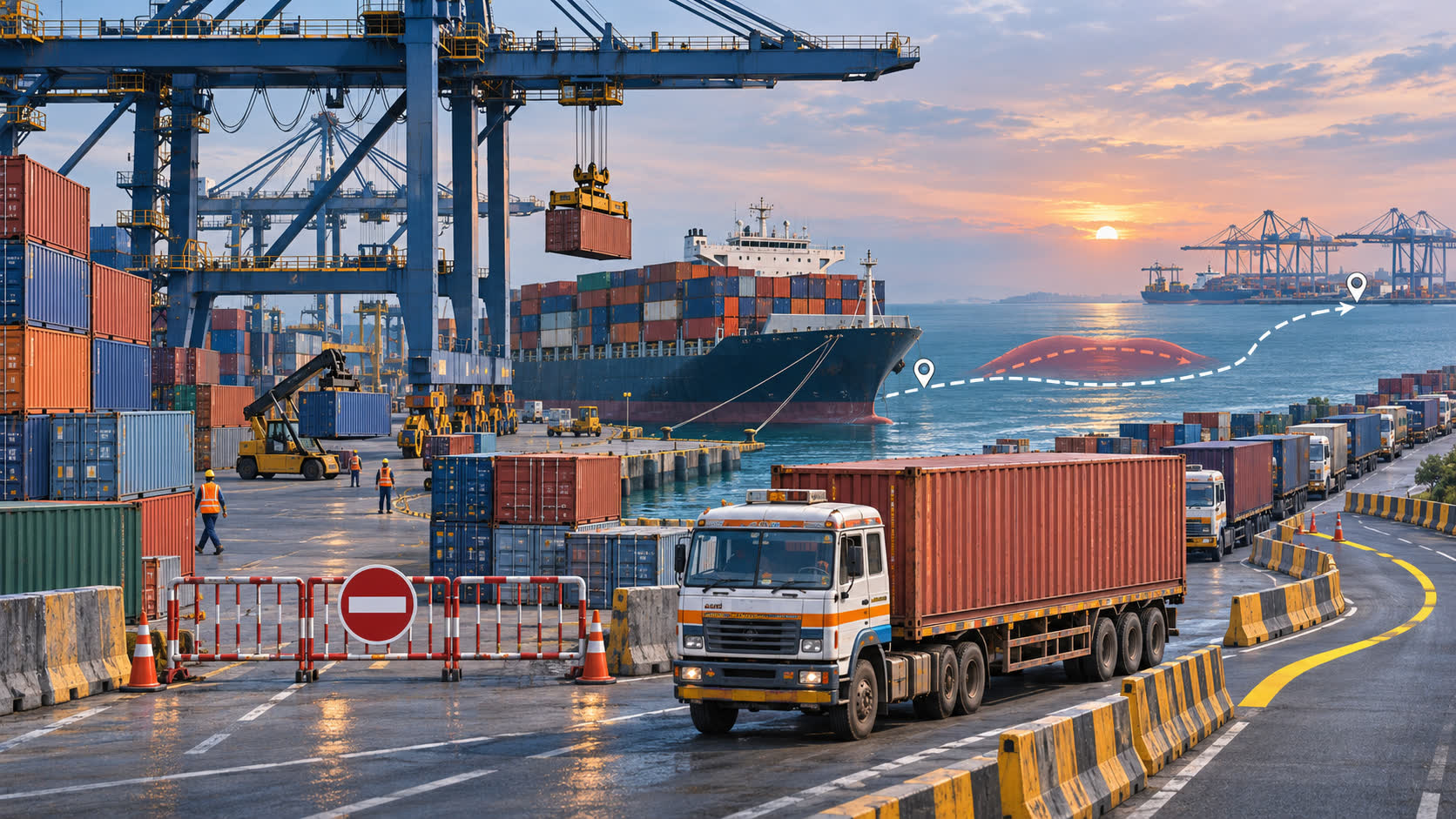
A turnback can change the cost of a journey even when petrol or diesel prices do not move. A detour adds distance, idling at a checkpoint can use fuel, and a missed delivery window can create a separate operating cost. Use the fuel cost calculator to compare the planned distance with a longer alternative, using the vehicle's actual mileage and the current fuel rate.
Fleet managers can also treat the numbers as a compliance-planning signal. Before dispatching a vehicle into Delhi, record its registration state, BS category, PUC expiry and any permit condition. That simple check separates a vehicle that may be eligible to enter from one that could be returned at the border. It also gives a driver a clear document trail if a checkpoint query needs to be resolved.
What to watch next
The reported restriction is scheduled to run until 31 January 2027, but enforcement and air-quality measures can change as conditions evolve. Watch for later directions from CAQM, Delhi's environment and transport departments, and local traffic authorities. The city may also expand technology-led checks, but a proposed or planned monitoring system should not be treated as proof that every entry point has the same equipment today.
The practical takeaway is straightforward: before entering Delhi, verify the vehicle's BS category, registration state and PUC status, then check the current route notice. The withdrawal of a GRAP stage changes one layer of the winter response; it does not cancel every separate vehicle-entry rule.
Sources
- India Today — “Delhi fines 25,610 vehicles for no PUC, turns back 30,742 non-BS-VI vehicles” (18 Nov 2026)
- NDTV Profit — “Delhi Pollution Crackdown: Vehicles Seized In Criminal Cases To Be Cleared From Police Stations” (18 Nov 2026)
- NDTV — “Delhi's Pollution Fight Reaches Police Stations, Seized Vehicles To Face Audit” (19 Nov 2026)
- The Indian Express — “Delhi Border Checks Begin November 1: Non-BS-VI Vehicles Registered Outside City Barred Under Revised GRAP” (1 Nov 2026)
- Commission for Air Quality Management — “Direction No. 104: Revised Schedule of the Graded Response Action Plan for NCR” (29 Sep 2026)