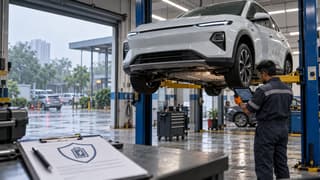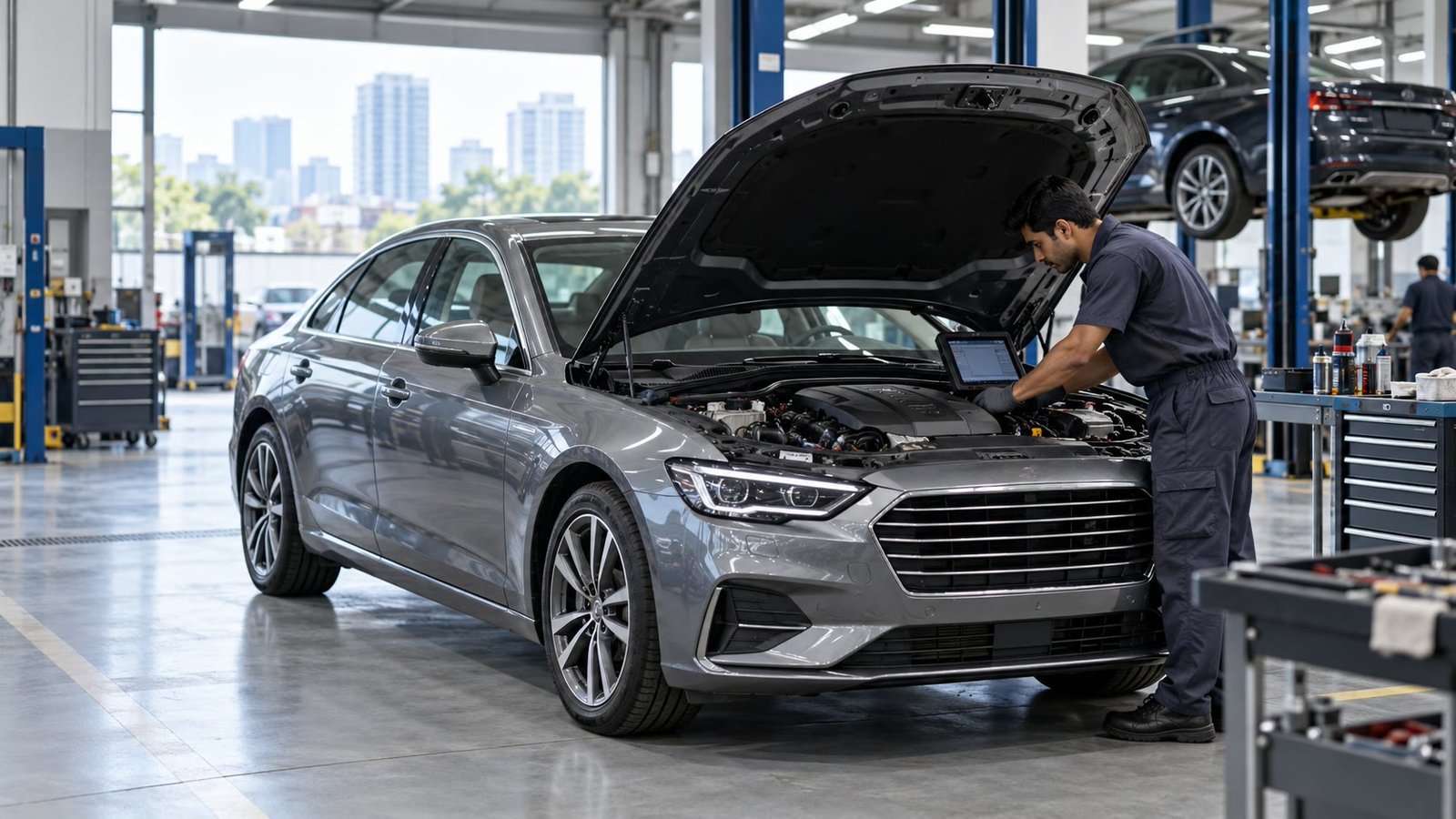
Edel Assurance has expanded its extended-warranty offering for premium and luxury cars in India, covering specified mechanical and electrical failures after the manufacturer’s warranty ends, according to reports published on 07 Oct 2026. The development matters because an extended warranty and motor insurance protect against different kinds of bills: one is aimed at eligible component failures, while the other addresses risks such as accidents, theft and third-party liability.
Key takeaways
- Autocar Professional and TOI Auto reported that Edel Assurance is widening post-factory warranty protection for premium-car owners.
- Reported plan terms range from 3 to 10 years, but the applicable period depends on the selected plan and its conditions.
- The company’s published coverage categories include engine, automatic transmission, steering, air-conditioning, braking, electrical and fuel systems, subject to the policy wording.
- Repairs and replacements are described as being routed through authorised manufacturer workshops; this is not a blanket manufacturer endorsement.
- The expansion is a company offering, not a new IRDAI or MoRTH rule, and it does not replace the motor-insurance cover required for road use.
What Edel Assurance has announced
Autocar Professional reported on 07 Oct 2026 that Edel Assurance had expanded its extended-warranty coverage across India’s luxury automotive segment. TOI Auto separately reported that the Mumbai-based provider is increasing its outreach to owners whose factory warranty has expired or is nearing its end. Both reports describe protection for specified mechanical and electrical failures and a repair route through authorised manufacturer workshops.
The important status point is that this is a product expansion, not a government mandate or a change to motor-insurance premiums. The public material reviewed for this article does not show a single nationwide tariff. The cost, eligibility and covered parts have to be checked against the quote and plan wording for the particular vehicle.
What the warranty can cover
Edel Assurance’s published coverage page lists parts and labour for several vehicle systems. The categories named include the engine, automatic transmission, steering system, air-conditioning system, braking system, electrical system, fuel system, oil seals and fuel-injection system. The same page also lists roadside assistance as part of its offering.
That list should not be read as an unlimited promise to pay for every repair. The company says the parts and labour covered are those listed under the applicable plan, and its published terms state that repairs or replacements are subject to the conditions in the booklet. A component name on a marketing page is therefore only the starting point; the failure mode, exclusions, maintenance requirement and claim process can decide whether a bill is eligible.
Brand names do not mean manufacturer affiliation
The company’s website lists premium brands such as BMW, Audi, Land Rover, Jaguar, Mercedes-Benz, Volvo, Mini Cooper and Porsche under its premium-car warranty section. The same website says it is not an official dealer for those brands and has no affiliation with the manufacturers. Owners should treat the brand list as an indication of the vehicles the provider says it serves, not as an endorsement by any carmaker.
Extended warranty versus motor insurance
Motor insurance and a warranty operate on different triggers. Motor insurance is designed around legally required third-party protection and insured vehicle risks such as accidental damage, depending on the cover selected. An extended warranty is a service contract for specified mechanical or electrical failures after the original manufacturer warranty, subject to eligibility and exclusions.
That distinction matters at renewal time. A warranty cannot be used as a substitute for motor insurance, and an insurance policy does not automatically pay for every mechanical breakdown. FuelPrice’s car-insurance renewal and NCB guide explains the separate insurance checks that owners need to keep in view.
What premium-car owners should check
- Exact component list: Check whether the engine, gearbox, electronics, fuel system or other part is covered in the plan being quoted, rather than relying on a broad product label.
- Failure and exclusion wording: Look for exclusions covering pre-existing faults, routine maintenance, consumables, wear items, accident damage and modifications. The company’s published material says coverage is conditional on the plan terms.
- Eligibility and inspection: Confirm the vehicle-age, mileage, inspection and service-history requirements before treating a quote as available cover. A vehicle with an existing defect may be assessed differently from one that passes the provider’s inspection.
- Repair route: Check which authorised workshops can handle a claim, how approval is obtained and what happens if a suitable facility is not nearby. This can matter more than the headline duration for owners outside major cities.
- Duration and renewal: Ask when cover starts, whether there is a waiting period, how a renewal is priced and whether the plan transfers with the vehicle. The reported 3–10-year range should not be assumed to apply to every car.
- Separate insurance status: Keep the motor-insurance renewal date and no-claim-bonus record separate from the warranty paperwork. For a wider ownership-cost view, FuelPrice’s car ownership cost guide covers expenses beyond the monthly payment.
What changes for owners now
For eligible premium-car owners, the expansion adds another post-factory repair-protection option to compare with a manufacturer’s own extended warranty or other vehicle-service contracts. It does not create a standardised product, cap repair bills for every vehicle or guarantee that a claim will be paid. The practical question remains whether the selected plan covers the car’s likely high-cost components, uses a workable repair network and sets out exclusions clearly.
Owners can also separate the protection decision from routine running costs. A warranty may address a large repair bill, while fuel, tolls, maintenance and insurance remain recurring ownership expenses. FuelPrice’s fuel-cost calculator can help estimate the running-cost part of that picture, but it does not replace reading the warranty or insurance documents.
Reader takeaway
Edel Assurance’s latest expansion is relevant mainly to premium-car owners moving beyond the factory warranty period. The reported multi-year cover is not a universal promise and is not motor insurance. The useful comparison is the plan wording: covered components, exclusions, inspection, service records, authorised workshop access, claim approval and the final quoted cost.
Frequently asked questions
Does an extended warranty cover accident damage?
Not as a general rule. The current reports distinguish warranty protection for specified mechanical and electrical failures from motor insurance for accident-related risks. The exact contract controls the final claim decision.
Is the reported 3–10-year period available for every car?
No. Autocar Professional and TOI Auto reported that range, but eligibility, vehicle condition, age, mileage, plan choice and terms can change the period offered. A quote and policy booklet are needed for the vehicle in question.
Sources
- Autocar Professional — Edel Assurance Expands Premium Vehicle Extended Warranty Coverage in India — 07 Oct 2026
- TOI Auto — Edel Assurance Expands Premium Vehicle Warranty Focus In India, Offers Coverage Beyond Manufacturer Warranty — 07 Oct 2026
- Edel Assurance — Car Warranty Coverage | Extended Warranty Programs — accessed 07 Oct 2026
- Edel Assurance — Extended Car Warranty Company in India — accessed 07 Oct 2026
- IRDAI — Motor Insurance — accessed 07 Oct 2026
This article is for general information only and is not financial, insurance or legal advice.