A 16 Sep 2026 briefing from the Institute for Energy Economics and Financial Analysis (IEEFA) says India’s EV charging challenge is moving beyond the number of public stations. It identifies charger uptime, access across networks, public-charging cost, home-charging constraints and grid-connection delays as the practical issues that can shape an EV trip.
For Indian EV owners, the finding has a simple implication: a route that looks covered on a map can still be difficult if a charger is unavailable, requires a separate app or account, or cannot deliver a predictable charging session. The briefing was independently reported by ELE Times on 29 Sep 2026.
Key takeaways
- Charger count is only a starting point; uptime and availability matter when a driver arrives.
- Interoperability includes finding, starting and paying for a session, not only matching the vehicle plug.
- Public charging cost, home-parking constraints and grid connections can affect everyday EV usability.
- For a road trip, drivers need a verified primary stop and a practical backup rather than a single map pin.
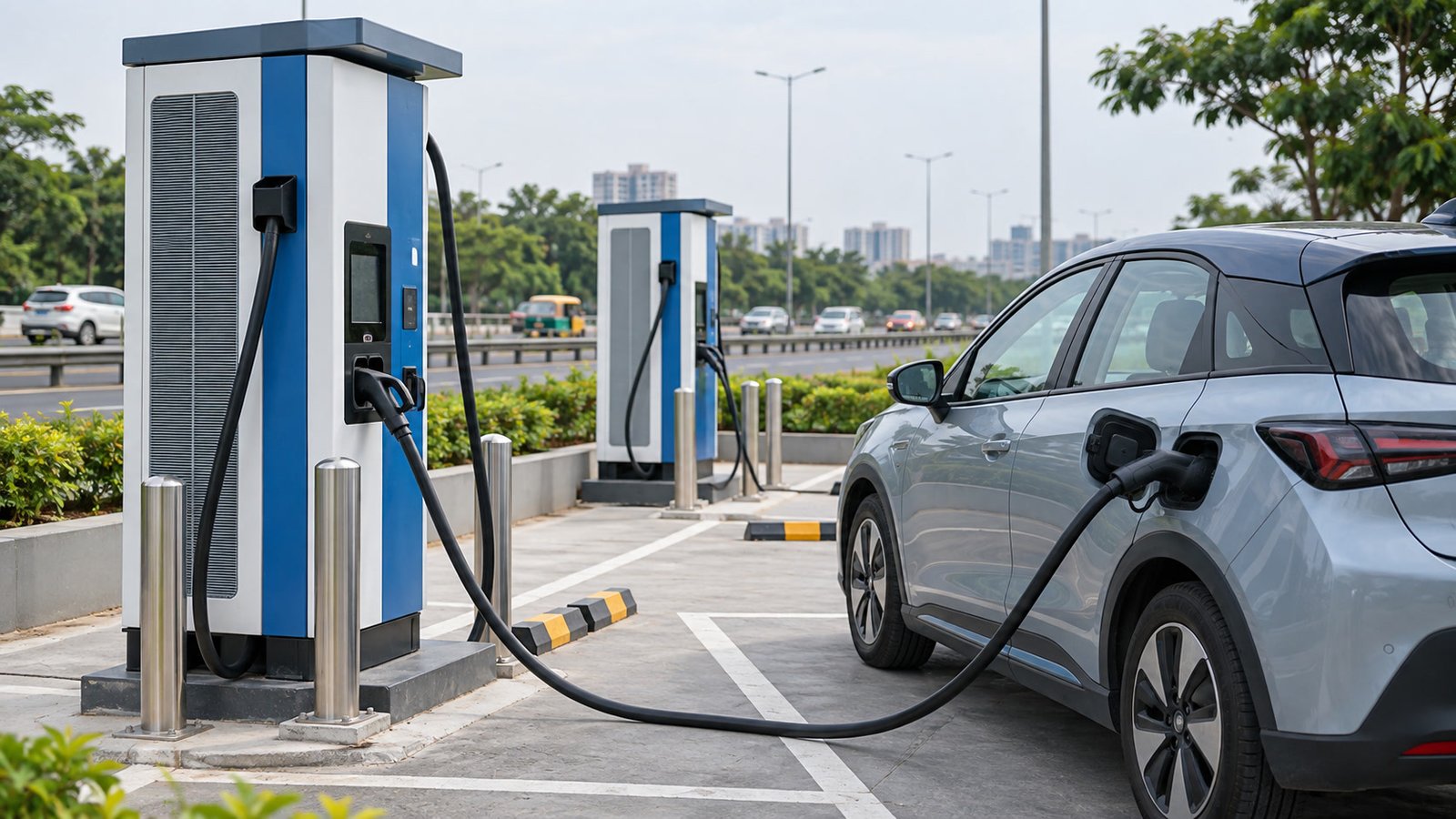
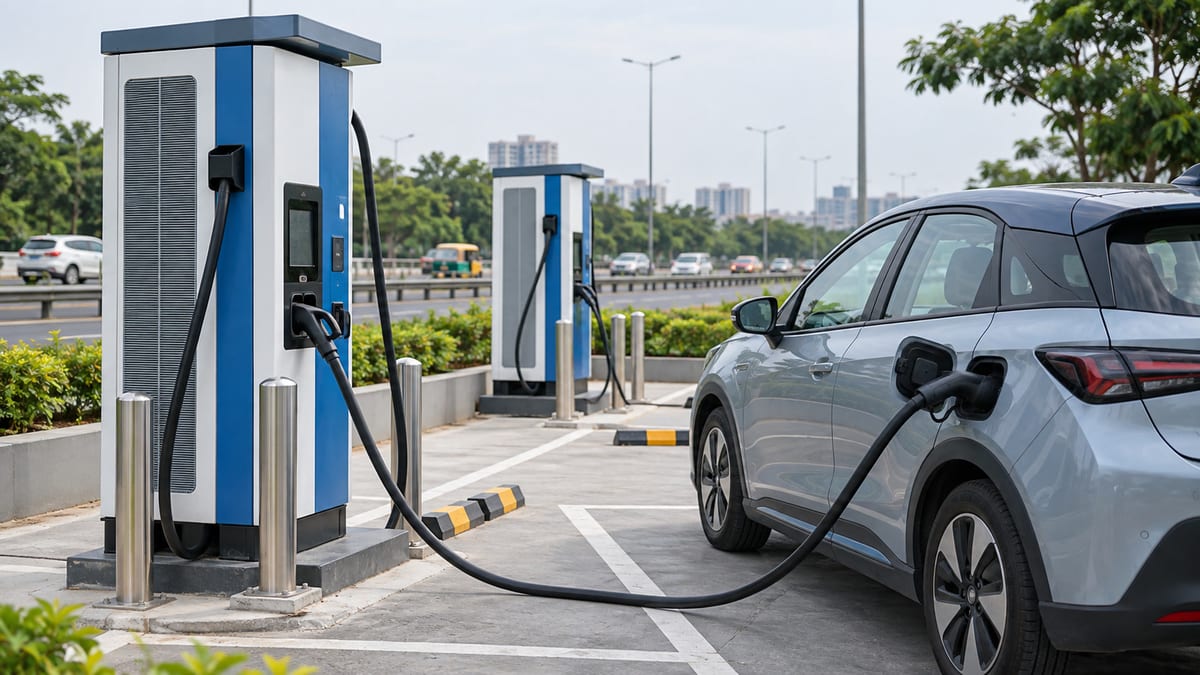 Illustrative public EV charging scene; generated for FuelPrice editorial use and not a photograph of a specific charging network.
Why charger count is not enough
IEEFA’s briefing groups the charging experience into three connected dimensions: convenience, cost and ecosystem enablers. Convenience depends on whether a public charger is working, whether drivers can use it across networks, and whether charging at home or work is practical. Cost includes the price of public charging as well as the investment needed to connect and upgrade the electricity grid. Ecosystem enablers include grid readiness, battery swapping and time-of-use tariffs.
That framework changes the question a driver asks. Instead of only asking how many stations exist, the useful questions are whether the station is operational, whether the vehicle can use its connector and power level, how the session is authenticated, and what happens if the first charger is occupied or offline.
A charger must be working when the car arrives
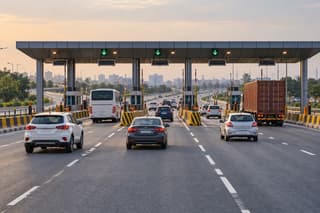
A listed station is not the same as a usable station. A broken connector, a failed payment terminal, a blocked bay or a stale availability update can turn a planned stop into lost time and extra battery consumption. These issues matter more on inter-city routes, where the next suitable charger may be far away.
For private drivers, the practical response is to treat live status as a planning input rather than a guarantee. Checking the operator’s latest status, operating hours and support contact before departure can make a difference, while a second reachable stop reduces dependence on one site.
Interoperability is more than plug compatibility
India’s charging standards and vehicle requirements are moving toward technical compatibility, but the user experience can remain fragmented. Different networks may require different applications, logins, wallets or payment flows. A driver may find a physically compatible charger and still face friction at the point of starting a session.
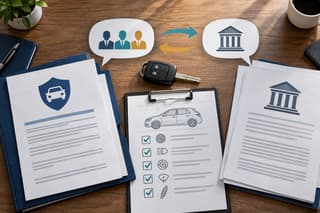
For an EV road trip, interoperability therefore has a consumer-facing meaning: the station should be discoverable, the connector should match, the session should be easy to authorise, and the price should be visible before charging begins. These are separate checks, even when a charger appears on a common map.
Cost and grid readiness affect routine use
IEEFA treats cost as a separate part of charging convenience. Public charging charges can vary by operator and location, and the broader cost of grid upgrades and connection delays affects how quickly new sites can become viable. A low advertised energy rate does not by itself describe the full experience if a station adds parking, idle-time or platform charges.
Home charging has its own constraints. Apartment residents may need permission for a parking connection, a suitable electrical load and a clear installation route. Delays in getting a grid connection can push an owner toward more expensive or less convenient public charging. These are ownership and planning questions, not just vehicle-range questions.
What this means for EV trips in India
Before a longer journey, use FuelPrice’s EV charging station directory to identify more than one possible stop along the route. Check the connector type, charging speed, operating hours, payment method and recent availability information for each location. If the listing does not show a current status, treat that as uncertainty rather than assuming the bay will be ready.
A route plan should also allow time for an occupied or slower-than-expected charger. FuelPrice’s road-trip planner can help organise the route and stop sequence, while the fuel cost calculator can provide a petrol baseline for comparing the same journey. That baseline is not an EV charging quote; it is a way to separate the trip’s distance and route assumptions from changing energy prices.
For fleet operators, the same issue appears as utilisation and downtime. A vehicle that waits for a charger or detours to a working site can lose more productive time than a simple station-count comparison suggests. Reliability, access and support arrangements therefore matter alongside the rated charging speed.
Policy is moving, but execution still matters
An official Ministry of Heavy Industries note published through the Press Information Bureau says the Ministry of Power’s EV Charging Infrastructure-2024 guidelines set standards and protocols for a connected and interoperable charging network. The same note lists Indian standards covering connectors, communication protocols, charging equipment and battery-swapping systems.
Government implementation discussions also recognise that deployment needs coordination. At a May 2026 national conference on EV charging under PM E-DRIVE, the Ministry of Heavy Industries said States, central ministries, oil marketing companies, vehicle makers, charge-point operators and other agencies would need to work together on scale, interoperability, standardisation and reliability.
Those frameworks are important, but they do not prove that every public site offers the same uptime, payment experience or price transparency today. The next test for the network is therefore not only how many chargers are added, but how consistently drivers can use them.
What EV buyers and drivers can check now
- Confirm the vehicle’s compatible connector and the charging power it can accept before choosing a stop.
- Check whether the operator requires an app, account, wallet balance or a separate payment step.
- Look for a recent live-status update and keep one alternate charger within a realistic range.
- For home charging, check parking permission, electrical load and the likely connection timeline.
- Read the tariff and any parking, idle-time or service charges before beginning a session.
What to watch next
IEEFA’s central message is that India’s charging build-out must reduce friction across convenience, cost and the electricity ecosystem at the same time. For EV users, progress will be visible when a charger is dependable, works across a less fragmented access system, shows its price clearly and can be supported by a ready grid.
Until that becomes consistent, careful route planning remains part of EV ownership. A reliable primary stop, a reachable backup and a clear understanding of payment and cost can make a bigger difference to a trip than a headline station count.
Sources
- IEEFA, “Improving the EV charging experience in India: Beyond charger deployment” — 16 Sep 2026
- ELE Times, “EV Charging in India: Reliability and Interoperability Emerge as Key Challenges” — 29 Sep 2026
- Press Information Bureau, Ministry of Heavy Industries, “Standardization of EV Manufacturing and Charging” — 1 Aug 2025
- Press Information Bureau, Ministry of Heavy Industries, “National Conference on Enabling Nationwide EV Charging Infrastructure under PM E-DRIVE Scheme” — 12 May 2026