A 10 Nov 2026 report has renewed the warning that forged motor-insurance papers can leave Indian car and bike owners without valid cover when they need it. The key verification route is to match the policy on the insurer's own system and check the vehicle's insurance status through VAHAN or mParivahan, rather than relying on the look of a PDF or a QR code alone.
Key takeaways
- A recent Deccan Chronicle report revisited a Hyderabad case in which police found forged motor-insurance papers made to resemble genuine policies.
- Check the policy number and vehicle details on the insurer's official website or helpline, then compare the insurance-validity record on VAHAN or mParivahan.
- A working QR code is only an initial check; the report said forged papers had altered codes and policy details.
- IRDAI's consumer guidance says to use registered insurers or licensed intermediaries, verify the entity and avoid paying a premium into an individual's account.
- If a policy cannot be matched, keep the payment trail and documents, contact the insurer through its official channel and use the appropriate police or insurance grievance route.
What the latest warning is about
The 10 Nov report described a Hyderabad racket in which copies of real motor policies were changed in small ways. It said the papers carried insurer names and could look genuine, while the mismatch was discovered when an accident claim was checked. The report also said a February 2026 Jeedimetla raid led to nine arrests and the seizure of forged vehicle-insurance documents.
A separate Siasat report dated 1 Mar 2026 also described the Jeedimetla police raid, the arrest of nine people and the seizure of forged policies and stamps. It quoted the station house officer warning that a claim could not be paid on the basis of a forged document. The two reports concern that Hyderabad case; they do not establish that every policy sold through an agent is fake.
Why a forged paper can create a serious problem
Motor insurance paperwork is not proof by itself that an insurer has accepted a risk. A forged certificate can show a policy number, vehicle registration and dates without creating a matching record in the insurer's system. That can leave the owner facing a dispute at the point of claim, along with the separate legal and financial consequences of using a vehicle without valid third-party cover.
Visual checks are therefore not enough. A neat printout, a familiar logo or a QR code should be treated as a starting point for verification. The decisive check is whether the insurer's own records show the same policy and vehicle details.
Five checks before relying on car or bike cover
- Open the insurer's official website yourself. Use the address found independently, not a link sent by a caller or WhatsApp contact. Look for the policy-status or policy-download facility and enter the policy number, registration number or other details requested by the insurer.
- Match the core fields. The insurer record should correspond with the vehicle registration number, vehicle model, policyholder name, policy start and end dates and the insurer named on the document. A mismatch in any important field needs clarification before the document is treated as genuine.
- Check the VAHAN or mParivahan record. A Ministry of Road Transport and Highways advisory says insurance-validity information is reflected in VAHAN and mParivahan. The registration number can be used to check the vehicle record, subject to the data being updated.
- Treat QR verification as a secondary check. The latest report said the Hyderabad papers included edited QR codes. A scan can help, but it should not replace confirmation from the insurer's own system. The official mParivahan and DigiLocker records have separate government validation processes.
- Verify who is receiving the premium. IRDAI's consumer guidance says insurance should be bought through a registered insurer or licensed agent, broker or web aggregator. It also says to verify the person or entity before payment and avoid paying an individual without checking the credentials.
If the policy record does not match
A mismatch should be treated as unresolved cover until the insurer confirms the policy. Keep the PDF or paper, receipt, bank or UPI reference, messages, phone numbers and any agent details. Contact the insurer using the number or web address found independently and ask for written confirmation of the policy status.
If the insurer says no policy exists, the case should be documented and reported to the insurer whose name was used and to the local police or cybercrime authorities. Do not rely on the disputed document for a claim or for proof that the vehicle is insured. A genuine policy can be purchased through an authorised channel after the insurer confirms the position.
For an insurer or intermediary complaint, the IRDAI Bima Bharosa FAQ directs policyholders to first approach the insurer's grievance officer and then use the portal if the issue is not resolved. Keep the complaint acknowledgement and supporting records.
Checks for renewals and used vehicles
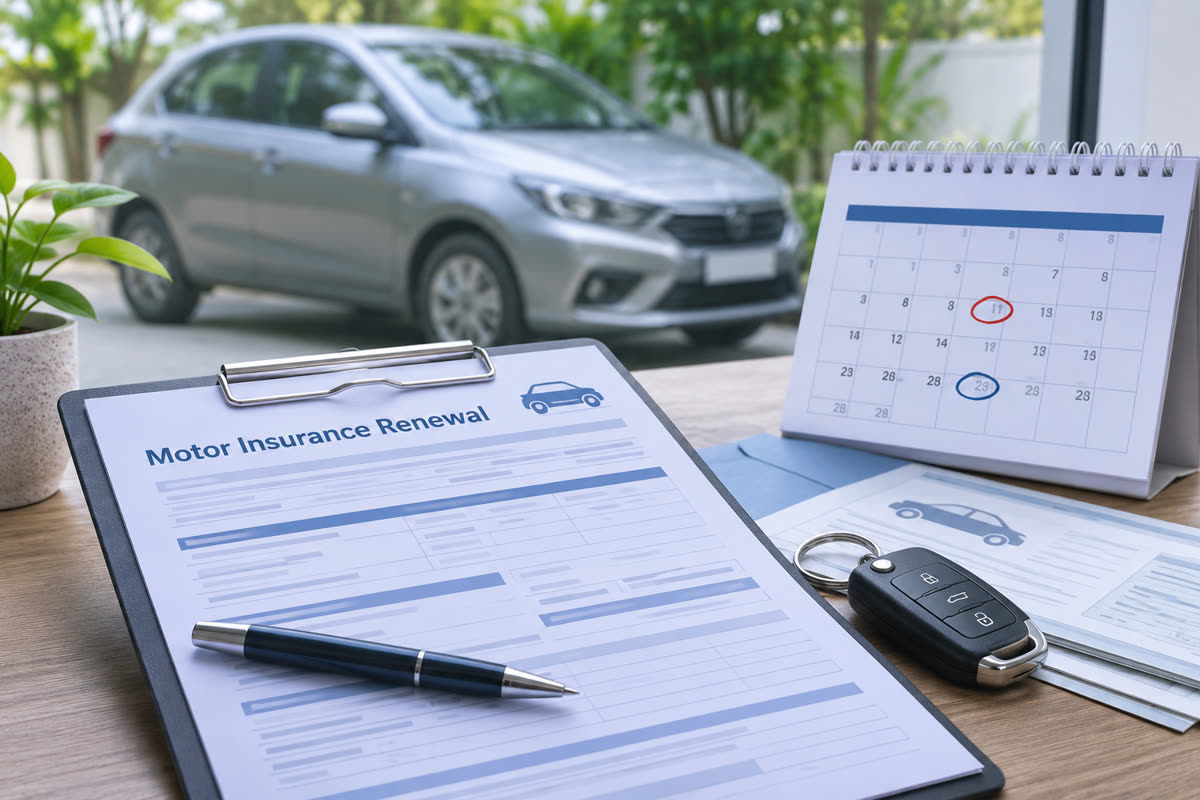
Renewal pressure is one reason forged papers can pass quickly from a caller or roadside agent to a vehicle owner. The car-insurance renewal and policy-date guide can be used to organise the expiry date, policy number and previous insurer details before a renewal conversation.
Before buying a used car, match the seller's policy document with the vehicle record and the insurer's confirmation. For a bike or scooter, the bike-insurance validity checklist covers the policy dates and vehicle details that need to agree. A policy document that cannot be independently confirmed should not be treated as proof of uninterrupted cover.
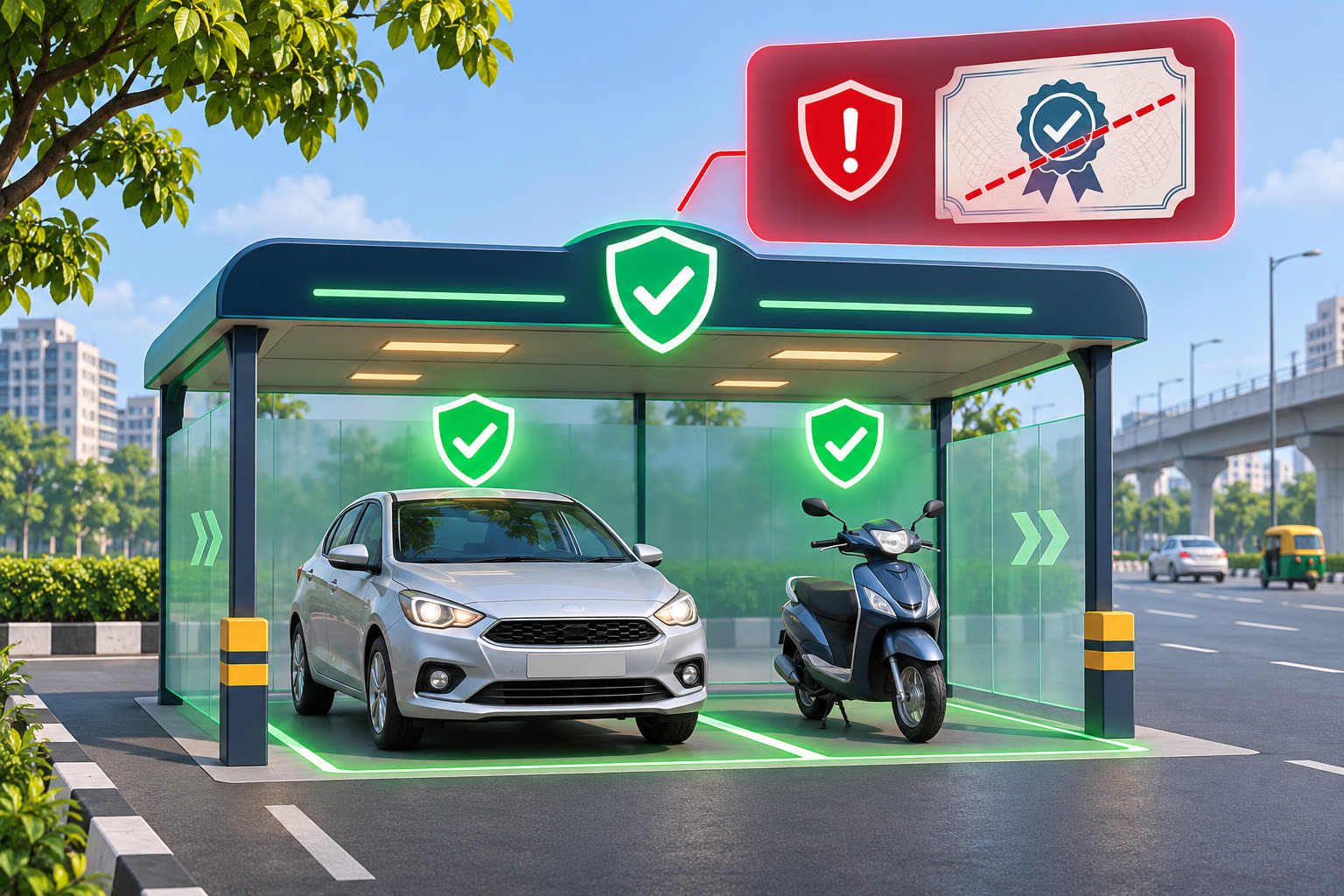
The practical takeaway is a two-source match: the insurer's own policy record plus the VAHAN or mParivahan vehicle record. If either record is missing or differs from the paper, pause the transaction and resolve the mismatch through an official channel.
Sources
- Deccan Chronicle — Fake Motor Insurance Policies Are Back: How to Check Your Car and Bike Cover Is Genuine — 10 Nov 2026
- The Siasat Daily — 9 arrested for selling forged car insurance documents in Hyderabad — 1 Mar 2026
- Ministry of Road Transport and Highways — Notification and advisory on electronic vehicle documents and insurance validity — 17 Dec 2018
- IRDAI — Real Value of Insurance Through Right Buying: Consumer Affairs booklet — 2015
- IRDAI Bima Bharosa — Grievance FAQ — accessed 11 Nov 2026
This article is for general information only and is not financial, insurance or legal advice.