Flomic Global Logistics reported 36.9% year-on-year growth in revenue from operations to ₹155.65 crore in the second quarter of financial year 2026-27, while EBITDA climbed 90% to ₹16.94 crore. The company said freight rates on several international routes stayed elevated during July-September 2026, a development that matters to transporters and shippers tracking the cost of moving goods into and out of India.
The figures are from Flomic’s unaudited results for the quarter ended 30 September 2026, approved on 5 November, and its investor call held on 6 November. Independent readings of the exchange filing and the call also put the focus on a key limitation: the improvement was company-specific and partly linked to freight-rate conditions, so it should not be read as a blanket change in domestic truck or diesel economics.
Key takeaways
- Q2 revenue from operations rose to ₹155.65 crore from ₹113.72 crore a year earlier, a 36.9% increase.
- EBITDA increased to ₹16.94 crore from ₹8.91 crore, up 90%, while EBITDA margin widened to 10.88% from 7.84%.
- Profit after tax was ₹4.32 crore, compared with a loss of ₹1.01 crore in Q2 FY26.
- Management attributed part of the revenue improvement to higher freight rates across several international routes, while saying the movement was not uniform.
- Transporters should assess international freight, diesel, tolls, warehousing and last-mile costs separately when comparing shipment quotes.
What Flomic reported for Q2 FY27
The results show a sharp improvement over the corresponding quarter of FY26. Revenue from operations rose by ₹41.93 crore, while EBITDA increased by ₹8.03 crore. The company’s EBITDA margin expanded by 304 basis points, according to the company’s earnings-call material and independent summaries of the BSE filing.
| Metric | Q2 FY27 | Q2 FY26 | Year-on-year movement |
|---|---|---|---|
| Revenue from operations | ₹155.65 crore | ₹113.72 crore | +36.9% |
| EBITDA | ₹16.94 crore | ₹8.91 crore | +90.0% |
| EBITDA margin | 10.88% | 7.84% | +304 basis points |
| Profit after tax | ₹4.32 crore | ₹1.01 crore loss | Returned to profit |
Profit after tax therefore moved from a loss to a profit in the year-on-year comparison. That is a meaningful change for the company’s reported operating performance, but the quarter alone does not establish that the same margin will continue. Freight forwarding can be affected by route-level rates, shipment mix, capacity and the timing of customer bookings.
Freight rates were the main operating signal
In the 6 November investor call, management described the freight-rate environment as dynamic. It said rates increased across several international trade routes during July, August and September, citing destinations including Manzanillo, Buenaventura and Callao as examples. It also said the movement was not the same across every destination.
That qualification is important for readers who run vehicles or manage transport bills. International freight rates influence forwarding revenue and the price of moving cargo between ports, but they are not the same as the diesel rate paid by a domestic truck operator. A higher ocean or air freight quote can coexist with unchanged road freight, a higher toll bill or a different last-mile cost.
An independent StockWatch analysis of the call described the quarter’s growth as freight-rate-led and flagged the risk that results could moderate if rates normalise. That is an analysis of the earnings call, not a company forecast. Flomic’s own description was more limited: rates had supported revenue, but conditions remained uneven across routes.
Why this matters to Indian transporters and shippers
For a shipper importing or exporting goods, the practical question is how much of a revised quote comes from the international leg and how much comes from domestic handling. A comparison should separate the base freight charge from fuel surcharges, port or terminal handling, customs, warehousing, road haulage and tolls. That helps prevent a change in one line item from being mistaken for a broad fall or rise in the cost of the whole trip.
Fleet operators can use the fuel cost calculator to estimate the diesel component of a route and check toll exposure through the toll charge calculator. For a multi-stop movement, the road-trip planner can help compare route distance and timing before a quote is finalised. These tools do not predict freight rates; they help isolate the road-cost portion that remains within the operator’s control.
The result also illustrates why a logistics company’s reported growth should not be used as a direct proxy for the margin on every local truck trip. Flomic’s Q2 performance reflects its own customers, route mix and forwarding activity. A road transporter serving a different corridor still needs to test the shipment against its own fuel use, tolls, turnaround time and loading conditions.
What to watch in the next quarter
- Route-level freight rates: whether rates remain elevated, soften or diverge further between international destinations.
- Revenue mix: how forwarding and warehousing contribute as the company reports later quarters.
- Margin quality: whether EBITDA margin stays ahead of revenue growth when freight conditions change.
- Domestic cost pass-through: whether changes in freight quotes are reflected separately in road haulage, fuel surcharges and toll-related charges.
Reader takeaway
Flomic’s Q2 update is a company-specific operating result, not proof of a broad reduction in Indian transport costs. It shows how international freight-rate movements can lift a logistics company’s revenue and EBITDA, while the benefit to a transporter or shipper still depends on the exact route, cargo, road leg, fuel use and tolls. Comparing those components separately is the clearest way to understand what a new freight quote changes for the trip.
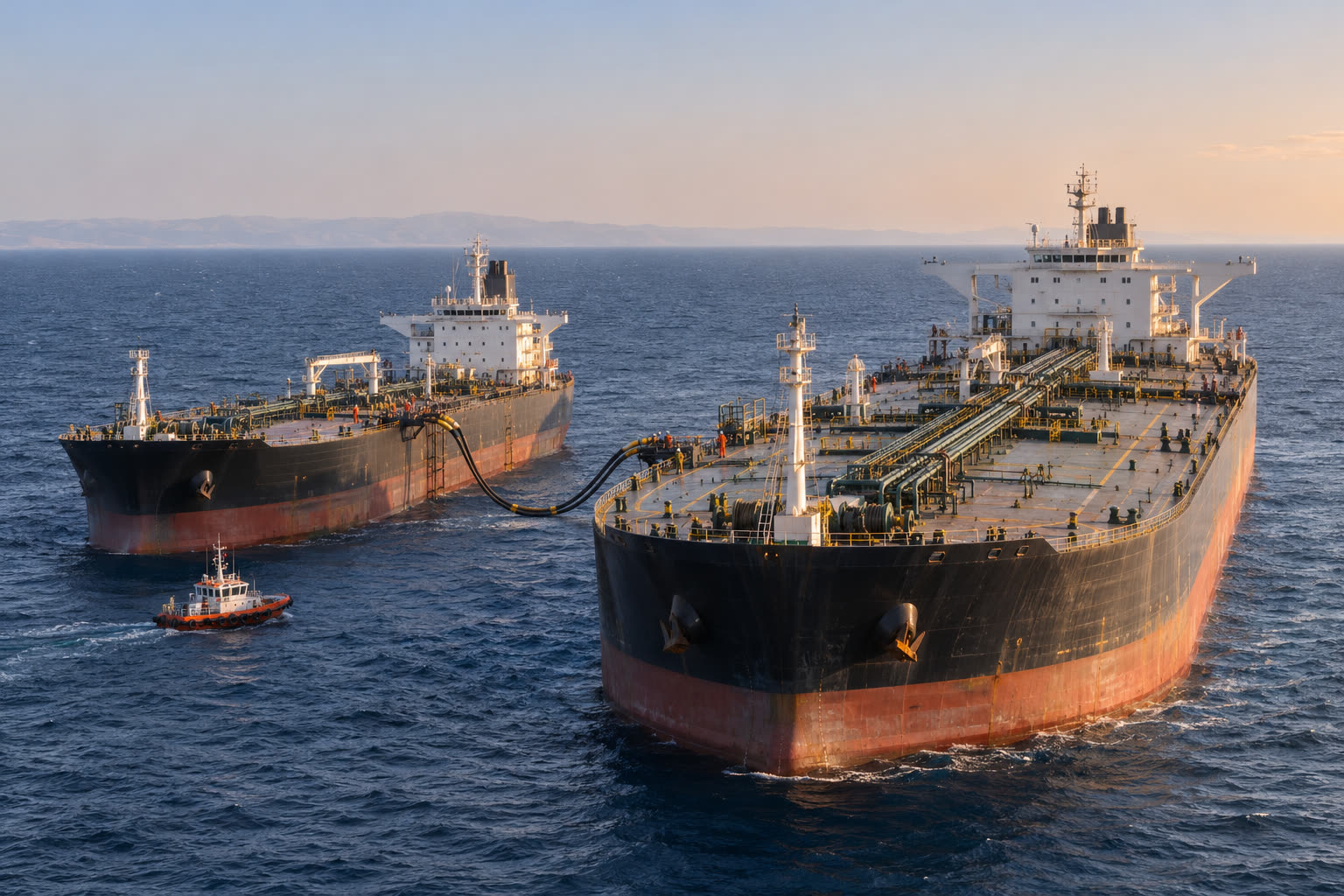
Image note: This is a representative editorial illustration of freight forwarding and warehouse operations, not a photograph of Flomic Global Logistics facilities.
Sources
- BSE filing: Flomic Global Logistics Q2 and H1 FY27 financial results, 5 Nov 2026
- Flomic Global Logistics investor page: Q2 FY27 earnings-call materials, 6-9 Nov 2026
- ALFA Finder: Flomic Global Logistics Q2 FY27 Results, 5 Nov 2026
- StockWatch: Margin turnaround on freight tailwinds-but sustainability hinges on rates, 9 Nov 2026