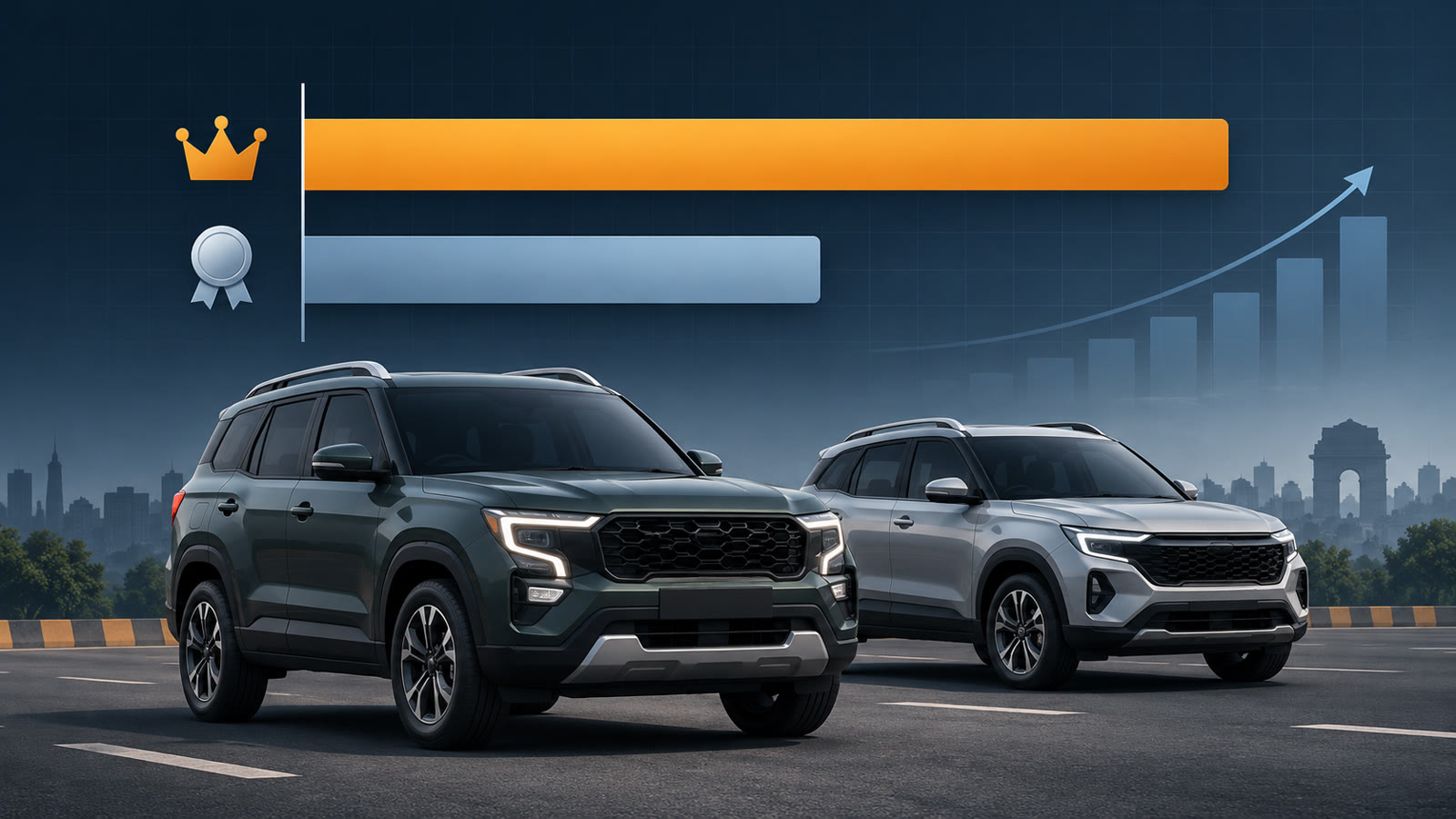
Faster electric-vehicle adoption could reduce India’s combined oil-and-battery import bill by 61% by 2050, even if the country continues to import batteries, according to a study by the International Council on Clean Transportation (ICCT). The finding matters to Indian drivers because it links the pace of electrification with the country’s exposure to imported fuel, but it is a long-range scenario rather than a forecast of tomorrow’s petrol or diesel prices.
Key takeaways
- The ICCT’s Ambitious Electrification scenario puts India’s combined oil-and-battery import payments in 2050 at 61% below its Baseline scenario.
- The comparison assumes no domestic battery manufacturing in the headline result, so the modeled benefit comes mainly from avoiding oil imports.
- Across the study’s least and most favourable cases, the 2050 import-payment gap could reach $125 billion, with faster electrification accounting for $94 billion and domestic battery manufacturing for $31 billion.
- The result does not mean every EV buyer will save 61%, or that fuel prices will automatically fall.
What the ICCT study modelled
The primary study, published on 31 Aug 2026, examines India’s battery demand and import payments between 2024 and 2050. It compares three electrification pathways—Baseline, Momentum and Ambitious—with four levels of domestic battery-cell manufacturing, from no localisation to high localisation.
The study covers two-wheelers, three-wheelers, passenger cars, light commercial vehicles, buses and trucks. That broad coverage is important: the import effect is not driven only by private electric cars. High-mileage commercial vehicles and two-wheelers can also change how much petrol and diesel the road fleet consumes.
| Modelled pathway | Annual battery demand in 2050 | What it indicates |
|---|---|---|
| Baseline | About 340 GWh | Slower electrification and later battery demand |
| Momentum or Ambitious | About 573 GWh | Faster electrification brings more battery demand forward |
These are model outputs, not current sales or a government target. The ICCT’s 61% comparison asks what happens when the pace of vehicle electrification changes, while holding the battery-manufacturing assumption at zero domestic production for that headline comparison.
Why oil savings can outweigh battery imports
India imports most of the crude oil used in its transport system, while battery cells and materials remain an important import exposure for electric mobility. In the study’s faster-adoption pathway, avoided oil purchases are large enough to outweigh the added cost of imported batteries. That is why the combined bill can fall even before India has fully localised cell manufacturing.
The wider range in the study is also useful context. The difference between the least and most favourable modeled cases reaches $125 billion by 2050. Faster electrification contributes $94 billion of that gap, while greater domestic battery manufacturing contributes another $31 billion. Those figures describe cumulative scenario differences in import payments; they are not an annual cash rebate for vehicle owners.
What it means for Indian drivers
Fuel prices will not change automatically
A lower future import bill does not directly set the price on a fuel station display. Petrol and diesel prices also reflect crude benchmarks, the rupee, refining and freight costs, taxes, and oil-marketing decisions. Drivers can still check current petrol and diesel prices separately from the long-term energy-security scenario.
EV buyers need a local-cost check
The study supports the case for evaluating EVs as part of a wider transport transition, but it does not identify the cheapest vehicle or guarantee a payback period. For a buyer, the practical questions remain specific: how much of the regular route can be charged at home or at work, what public charging is available along longer trips, how the tariff is billed, and what the warranty says about the battery.
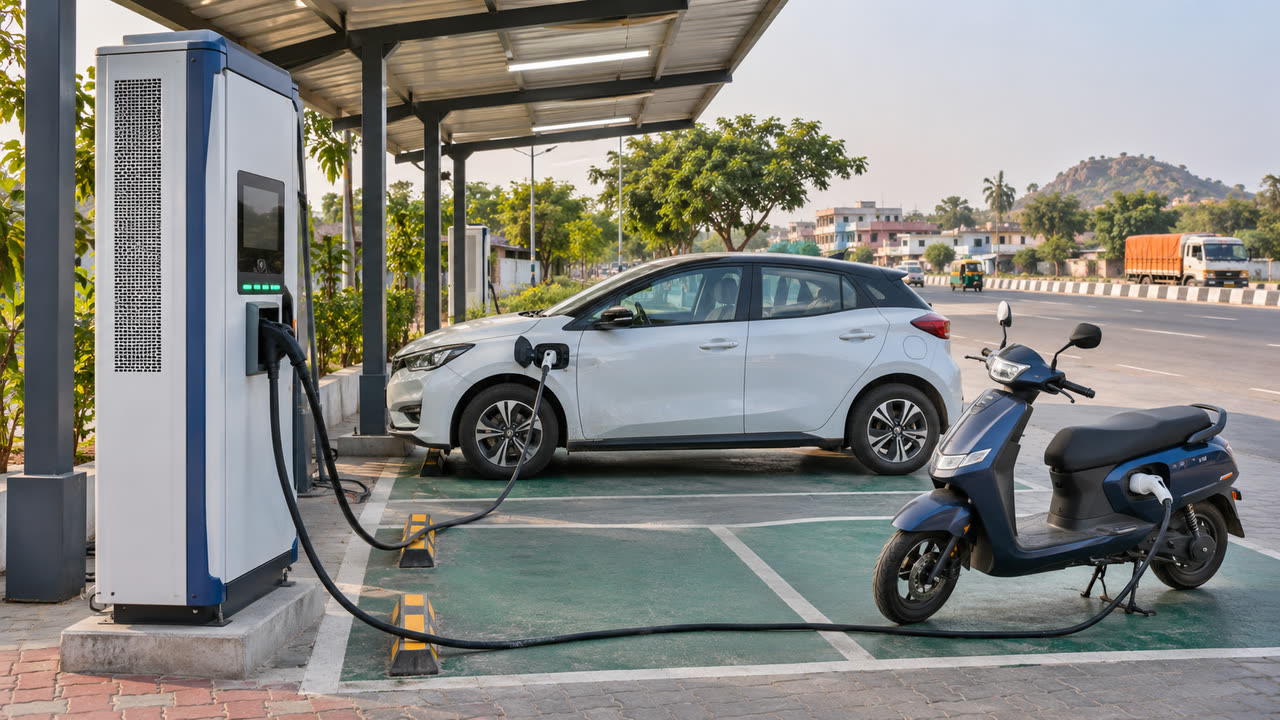
Availability matters as much as the national headline. Drivers planning an electric route can use the state-wise EV charging directory to check the network around their regular corridors, while allowing for charger downtime and waiting time.
Fleet operators should watch utilisation
For taxis, delivery vehicles, buses and small freight fleets, the import story is connected to daily utilisation rather than only the purchase price. A vehicle that charges reliably between shifts can displace more liquid fuel than one that sits idle while waiting for a charger. Operators can compare the energy and route assumptions for a specific corridor with the road-trip planner, then check actual vehicle data before making a cost decision.
What to check before treating it as a personal saving
- Use the right comparison: distinguish a national import-payment scenario from your own monthly fuel, electricity, maintenance and financing costs.
- Check the vehicle segment: the study includes two-wheelers, commercial vehicles and heavy vehicles, so the result should not be read as a passenger-car-only forecast.
- Check charging access: home charging, public availability, route length and downtime can change the practical result for the same vehicle.
- Watch localisation: domestic cells and recycling could reduce battery-import exposure further, but they do not remove the need for reliable charging and responsible battery management.
What happens next
The study’s conclusion is about sequencing: faster electrification reduces oil exposure first, while domestic battery manufacturing adds a second layer of import resilience. For Indian road users, the next useful signals will be actual EV adoption by segment, charger uptime, battery localisation and the running cost of vehicles on real routes—not just a single national projection.