More than 30 lakh electric vehicles had been sold under the Centre's PM E-DRIVE scheme by 30 Sep 2026, Union Heavy Industries Minister H.D. Kumaraswamy said at a 20 Nov industry event. For Indian buyers and fleet operators, the milestone is also a reminder that the next practical question is not just how many EVs are sold, but whether reliable chargers are available on the routes they use.
The figure was reported by ETAuto and CNBC-TV18 after the minister spoke at the Society of Indian Automobile Manufacturers' (SIAM) National EV Charging Day event in New Delhi. It is a reported cumulative scheme milestone, not a new nationwide retail discount or a change to today's EV prices.
Key takeaways
- More than 30 lakh EVs were reported sold under PM E-DRIVE by 30 Sep 2026.
- The scheme has an enhanced outlay of ₹11,900 crore, with ₹2,000 crore earmarked for public charging infrastructure.
- The Heavy Industries minister said charging must expand beyond metros to smaller towns, rural and peri-urban areas, industrial clusters, tourism circuits and emerging corridors.
- For a buyer, the sales milestone does not by itself confirm that a particular model, purchase or registration qualifies for a PM E-DRIVE incentive.
What the 30-lakh milestone actually says
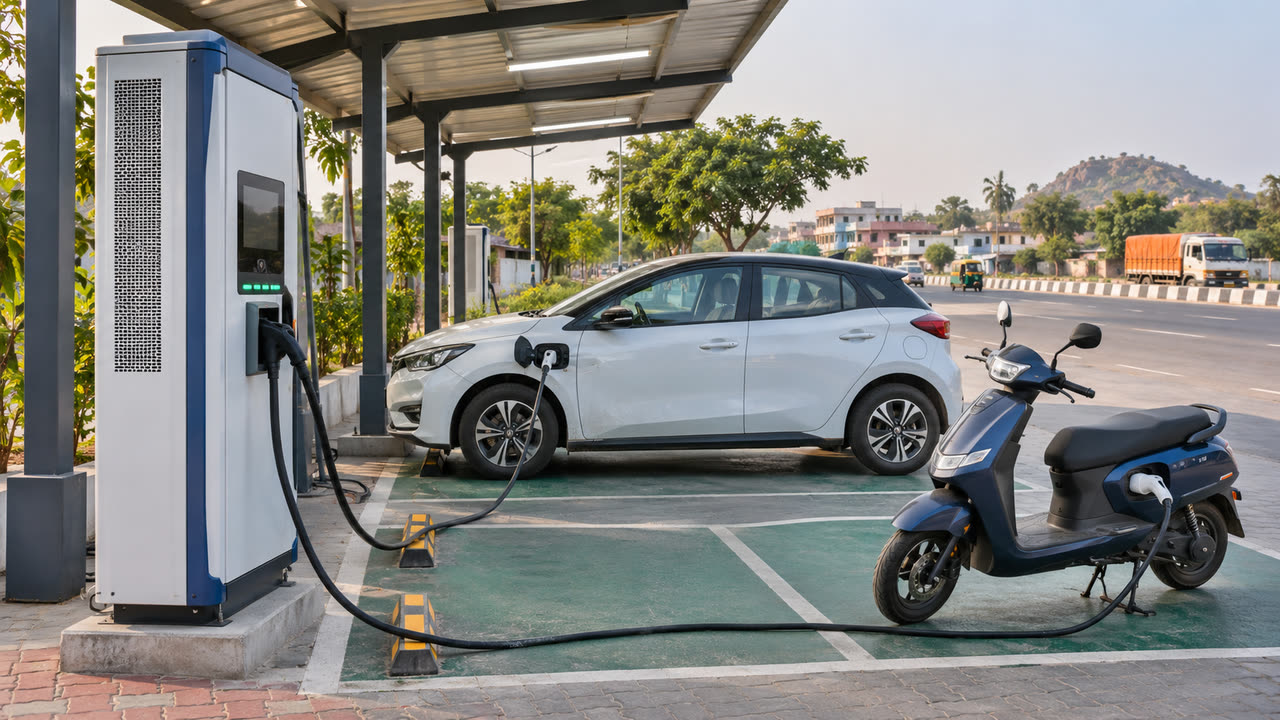
PM E-DRIVE is a policy programme covering more than one type of electric vehicle. The Ministry of Heavy Industries' scheme information lists support for categories including electric two-wheelers, three-wheelers, ambulances and trucks, along with e-buses and public charging infrastructure. The cumulative figure therefore describes scheme-linked electric mobility across categories; it should not be read as 30 lakh private electric cars.
That distinction matters for households comparing a petrol car with an electric car. A national sales total shows that adoption is broadening, but it does not tell a driver whether a charger is available near home, whether the connector suits the vehicle, or whether the station is working when needed.
Why charging access is now the next test
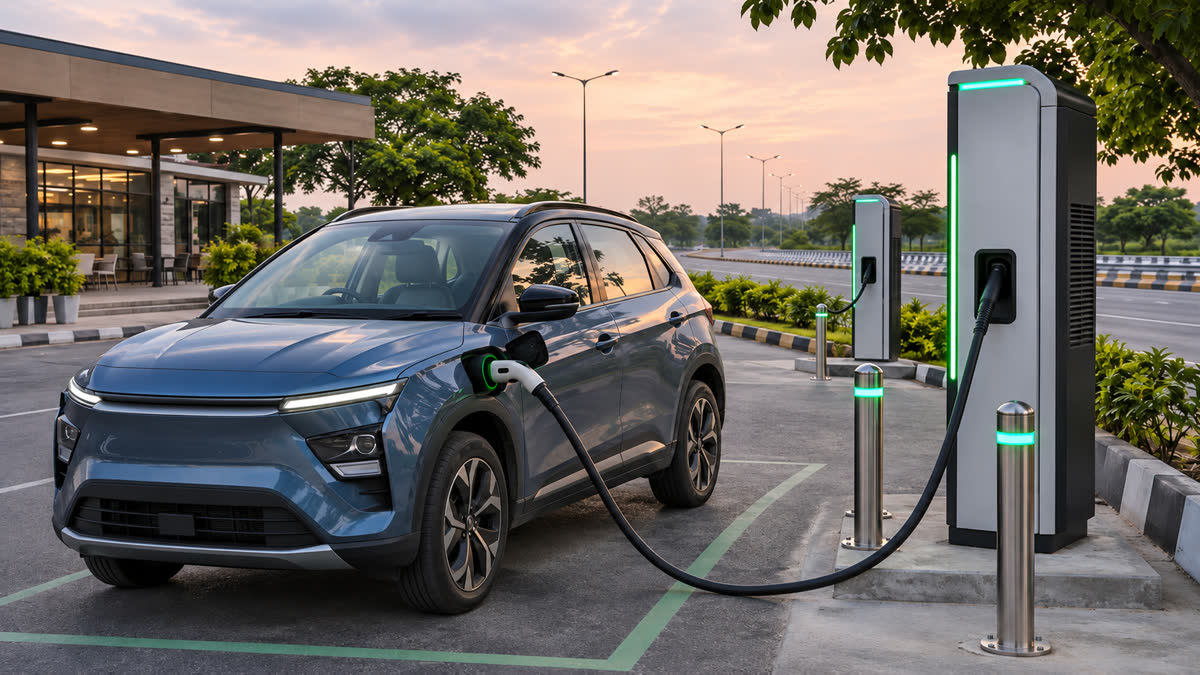
The scheme's ₹2,000-crore public-charging allocation is intended to support the infrastructure needed alongside vehicle adoption. At the SIAM event, Kumaraswamy said progress should not be measured only by the number of chargers sanctioned or installed. In practical terms, a useful station needs the required capacity, a location that drivers can reach, a payment process that works and a service response when equipment fails.
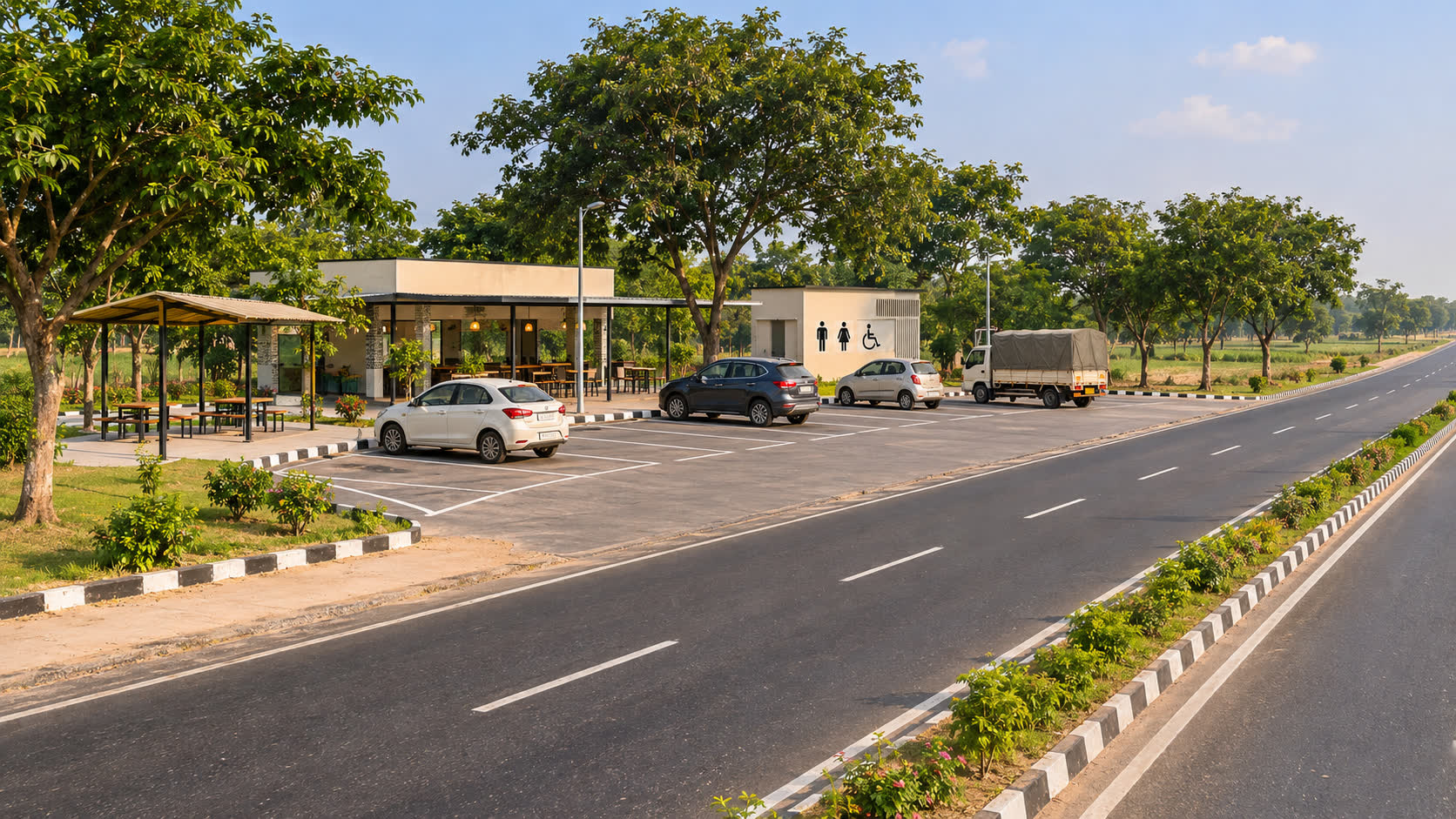
He also called for charging coverage beyond India's largest cities, including smaller towns, rural and peri-urban areas, industrial clusters, tourism circuits and emerging economic corridors. That is directly relevant to road-trip planning: a vehicle can have enough claimed range for a journey and still be difficult to use if the next dependable charging stop is too far away or unavailable.
What this means for EV buyers and drivers
Check the route, not only the vehicle
Before a long trip, drivers need more than a brochure range figure. They need to know where compatible chargers are located, whether the station accepts the payment method they carry, and how much time a realistic charging stop may take. FuelPrice's EV charging station directory can help with the location check, while the road-trip planner can be used to think through the route and stops.
Separate scheme eligibility from showroom pricing
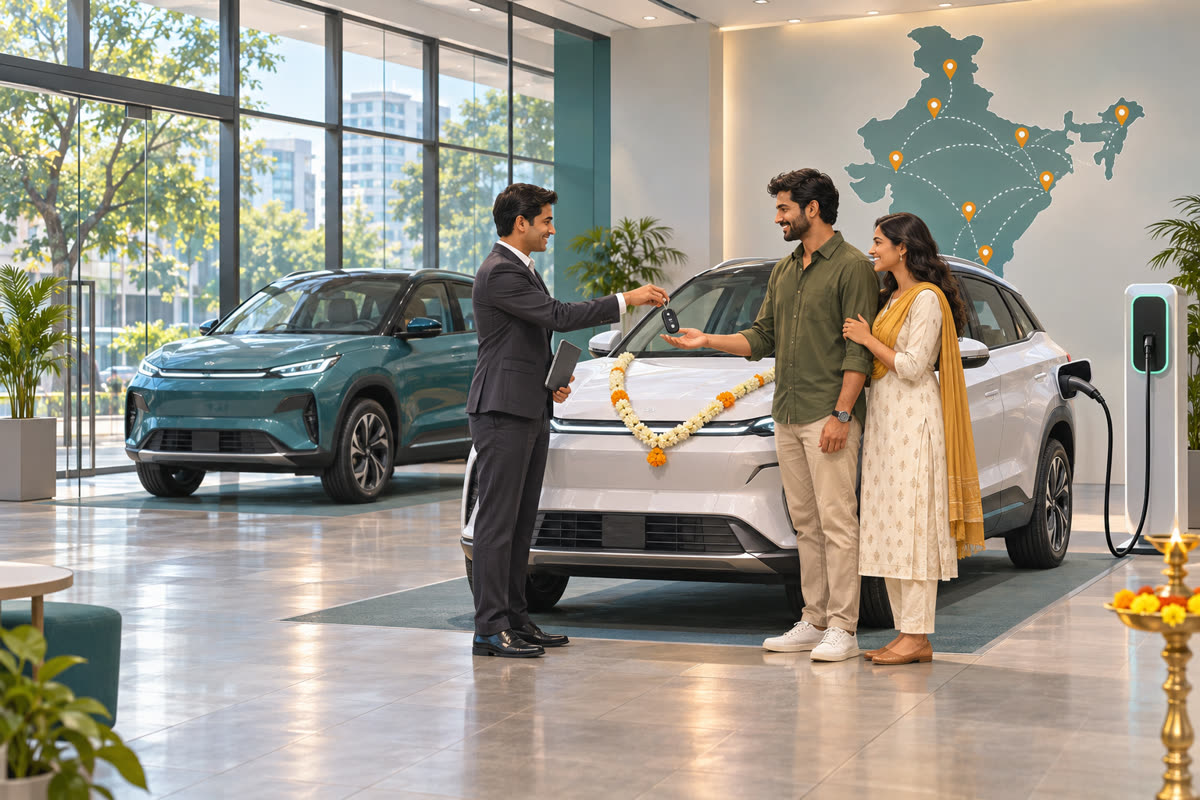
PM E-DRIVE support is category-specific and tied to the scheme's operating conditions. A buyer should not assume that the 30-lakh sales figure creates a fresh benefit for every EV. Check the vehicle category, the applicable incentive window and the documentation or e-voucher process shown in the official scheme material before treating an incentive as part of the purchase calculation.
Compare the full running-cost picture
Electricity tariffs, home charging access, public charging fees, maintenance and financing can all affect the ownership calculation. The milestone does not prove that every EV is cheaper for every driver. For a baseline comparison with a petrol or diesel trip, the fuel cost calculator can show the conventional-fuel part of the journey; the EV side still needs the driver's actual charging tariff and vehicle efficiency.
What changes now—and what does not
The 20 Nov reports establish a policy priority and a sales milestone. They do not announce a new blanket consumer rebate, a nationwide change in EV retail prices or a new charging fee. Existing PM E-DRIVE conditions and category rules continue to matter, so the scheme's official information remains the reference point for eligibility.
For fleet operators, the practical shift is from counting installations to checking uptime, capacity and access. Downtime can erase the operating advantage of an electric vehicle even when the vehicle itself is suitable for the route. For private drivers, the same principle applies on a smaller scale: a dependable charger at the right place is more useful than a larger installation count that cannot be verified.
What to watch next
The next useful updates will be evidence of operational charging coverage, especially on inter-city corridors and in smaller urban centres. Buyers and operators will also want clearer information on connector compatibility, payment interoperability, public-charging tariffs and fault resolution. These details determine whether EV adoption translates into predictable trips rather than only higher registration numbers.
FuelPrice's earlier report on DISCOM hurdles in expanding EV charging explains one of the supply-side constraints behind this next phase. The 30-lakh milestone shows demand; grid connections, land, uptime and service will decide how confidently that demand can spread.
Reader takeaway
PM E-DRIVE's reported 30-lakh sales milestone is a strong signal that electric mobility is moving beyond a niche market. It is not, by itself, a guarantee of a charger-ready route or a universal purchase benefit. For the money and trip decision, the useful check is the combination of eligibility, real charging access and the vehicle's expected use pattern.