An interim Supreme Court direction reported on 20 Nov 2026 says Bharat Petroleum Corporation (BPCL), Hindustan Petroleum Corporation (HPCL) and Indian Oil Corporation (IOC) must not make fresh ethanol supply allocations from the second quarter of the ethanol supply year while a procurement dispute remains before the court. For drivers, the immediate takeaway is narrower than a fuel-price or E20 rollback: the reports concern future oil marketing company (OMC) allocations, so they do not announce a new pump price or an immediate change to the petrol blend.
Key takeaways
- The direction is interim and relates to an ongoing dispute over OMC ethanol procurement; it is not a final judgment on the allocation framework.
- The court has said that no fresh ethanol allocation should be made from the second quarter of the ethanol supply year, according to reports of the proceedings.
- India's official data records average ethanol blending at 20% for ESY 2025-26 through June 2026; the reported court direction does not by itself withdraw that benchmark.
- There is no reported order changing petrol prices, cancelling fuel already sold or asking vehicle owners to stop using E20 petrol.
- The connected proceedings are listed in the Supreme Court's advance cause list for 2 Dec 2026.
What the Supreme Court direction says
The Economic Times reported on 20 Nov that a bench of Justices M.M. Sundresh and Prasanna B. Varale directed the three public-sector OMCs not to make ethanol allocations from the second quarter onward. ETAuto published a separate report the same day, also describing the direction as a temporary measure while the court considers appeals connected with ethanol procurement.
The dispute grew out of a Karnataka High Court direction linked to a request by Vinp Distilleries and Sugars for enhanced ethanol allocation under a long-term offtake agreement. The OMCs challenged that process in the Supreme Court. The reports describe the underlying dispute as connected with the 2025-26 ethanol supply year, while the national supply-year cycle runs from 1 Nov to 31 Oct. The exact practical reach of the interim direction will therefore depend on the court's operative order and its next proceedings.
The court also directed that the connected Karnataka High Court proceedings should not continue while the Supreme Court matter is pending. The official advance cause list for 2 Dec 2026 places BPCL's SLP(C) No. 22411/2026 with connected HPCL, IOC and other matters for compliance and further orders. That listing is a next step in the case, not a final ruling on how future allocations must be made.
Why this matters for E20 and petrol users
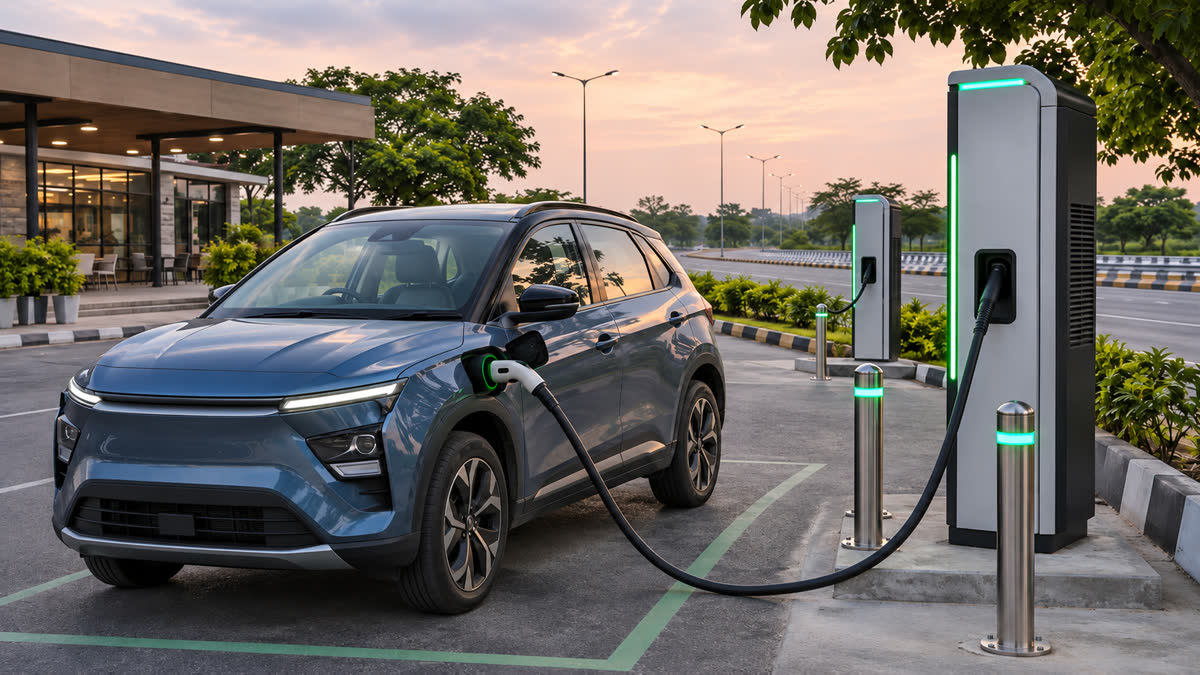
Ethanol is not a separate retail fuel choice that drivers can normally switch on and off at the pump. It is blended into petrol through the EBP programme. Government background material says average blending reached 20% in ESY 2025-26, five years ahead of the original target, and the official petroleum data records 20% for the November 2025-to-June 2026 period.
That context matters because a court direction about procurement is different from a retail price notification. The reports do not announce a revision to petrol prices, a withdrawal of E20 or a new vehicle-compatibility rule. A motorist should not read the headline as an immediate per-litre increase or reduction at a fuel station. Any effect on supply planning, blending availability or procurement costs would need to be established through subsequent court directions, OMC communications or a government notification.
For a trip or monthly budget, the useful check remains the current price in the relevant city and the vehicle's actual consumption. Drivers can use the live fuel-price hub before a purchase and estimate a journey through the fuel cost calculator. The earlier FuelPrice explainer on India's 20% ethanol milestone provides the background to the blend already recorded in official data.
What changes for ethanol suppliers and OMCs
The immediate change is procedural: the allocation dispute remains active, and the next quarterly procurement step is subject to the court's interim direction. Ethanol producers, OMCs and other parties will be watching whether the court completes arguments and issues a decision before the end of the first quarter, as reported by The Economic Times, or whether a party seeks further directions.
The direction does not, on the facts reported so far, amount to a nationwide order ending the EBP programme. Nor does it decide the merits of Vinp Distilleries' request or settle the long-term allocation formula for all suppliers. Those are the issues that make the 2 Dec listing important for the supply chain.
There is also a wider policy balance. India uses ethanol blending to reduce the petroleum import requirement, support domestic feedstock markets and maintain a large procurement network. A pause in fresh allocations can create planning uncertainty for distilleries and OMCs, even when the consumer-facing impact is not immediate. That is why the court record and any follow-on procurement notice matter more than social-media claims about a sudden E20 stoppage.
What drivers should watch next
- The 2 Dec hearing: the Supreme Court's official listing is the clearest near-term checkpoint for the dispute.
- Any OMC or government clarification: a procurement direction is different from a retail-fuel notification, so check an official notice before assuming a change at the pump.
- The vehicle manual and fuel label: the court proceedings do not replace the manufacturer's compatibility information for a particular car or two-wheeler.
- The actual trip cost: use dated city fuel rates and the vehicle's own efficiency rather than estimating an E20 price impact from the court headline.
What is not changing today
Based on the reports and official background available as of 21 Nov 2026, the interim direction does not itself change the price displayed at a petrol station, cancel valid fuel purchases or require owners to drain or replace fuel. It is a procurement and litigation development. The next material update will come from the court, an OMC allocation notice or a government clarification.
Sources
- The Economic Times — SC bars OMCs from fresh ethanol allocations from second quarter — 20 Nov 2026
- ETAuto — Supreme Court prohibits ethanol allocations by OMCs starting Q2 — 20 Nov 2026
- Supreme Court of India — Advance cause list for 2 Dec 2026, SLP(C) No. 22411/2026 and connected matters — 2026
- Press Information Bureau — Ethanol Blending in India: Policy Evolution, Key Milestones and Frequently Raised Concerns — 5 Jul 2026
- Press Information Bureau — Government highlights safety, performance and national benefits of ethanol-blended petrol — 23 Jul 2026