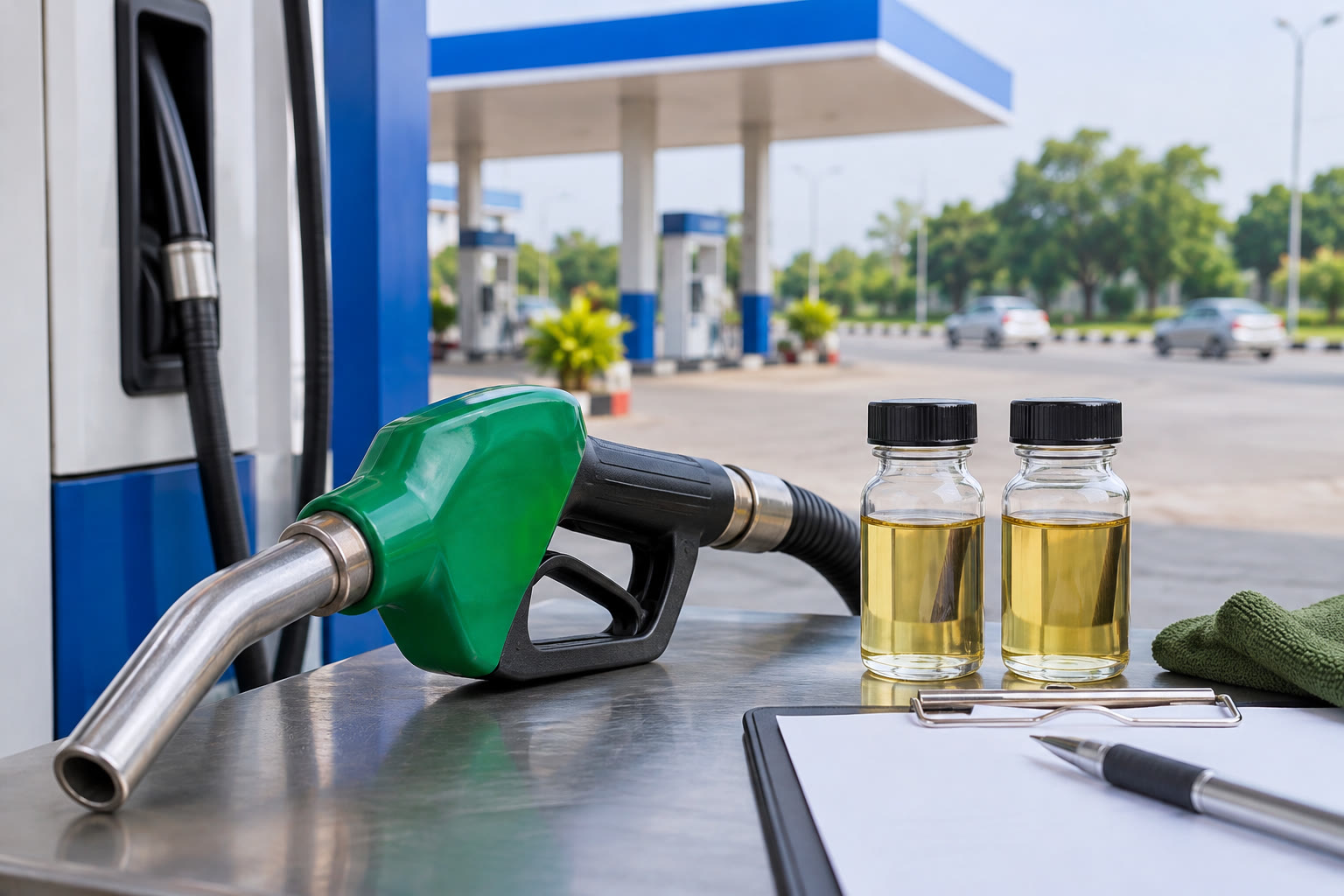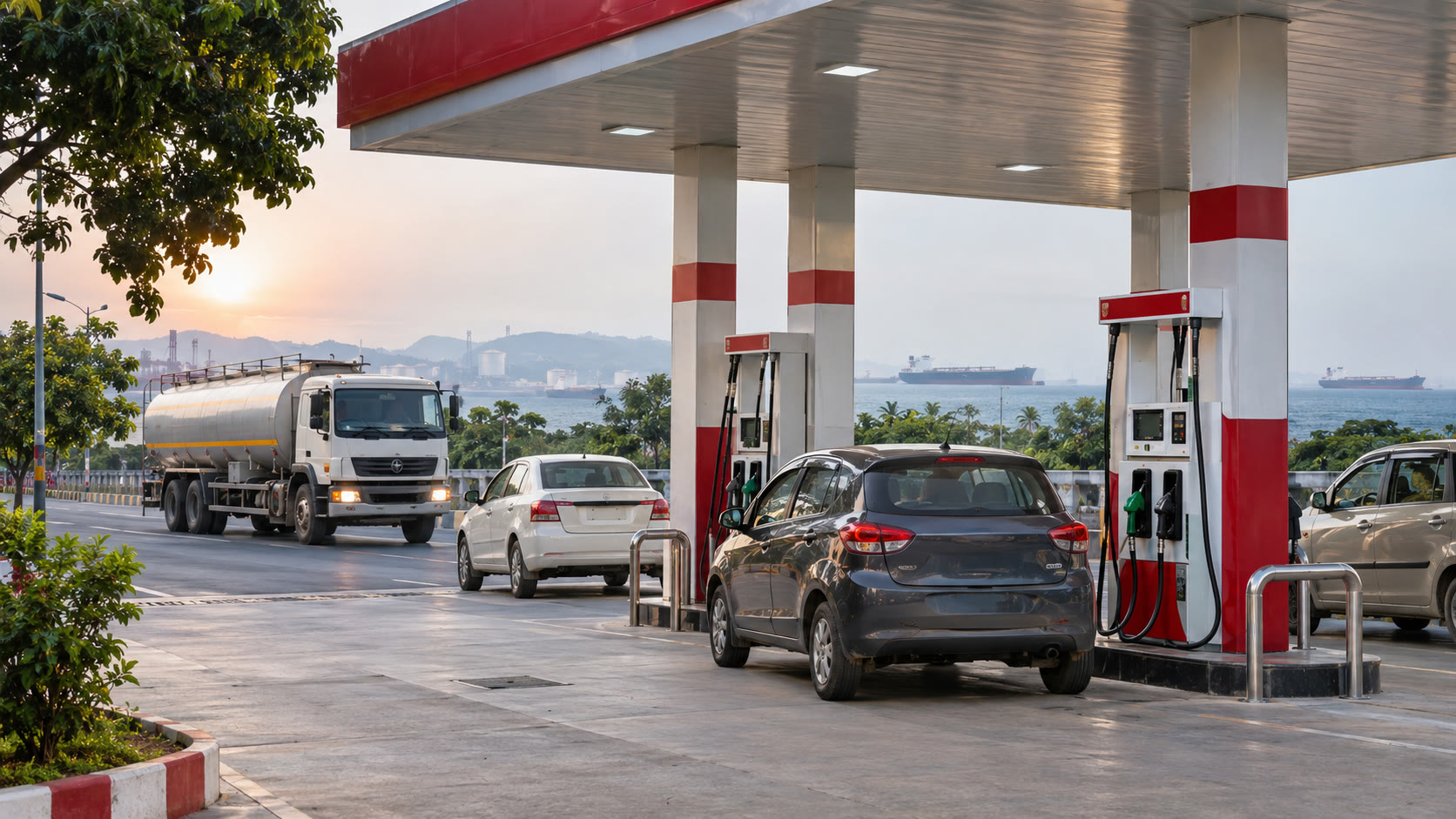
India is not facing an immediate fuel-supply breakdown despite the disruption around the Strait of Hormuz, Petroleum and Natural Gas Minister Hardeep Singh Puri said on 19 Nov 2026. For drivers, the message is that petrol pumps and LPG distribution have continued to operate, but supply assurance should not be read as a promise that pump prices will stay unchanged.
Puri's comments at the Federation of Indian Chambers of Commerce and Industry (FICCI) Annual General Meeting came as global energy routes remain under pressure. The practical takeaway for motorists is to separate two questions: whether fuel is available and what it costs in a particular city. The first is the focus of this update; the second can still move with crude, taxes, freight, currency and oil-marketing-company decisions.
Key takeaways
- Puri said there had been no rationing or dry-out at petrol pumps or LPG distributors despite the Hormuz disruption, according to FICCI's 19 Nov release.
- India's refining capacity was cited at about 267 million tonnes per annum, with FICCI and Energy Watch reporting an expected rise to about 290 million tonnes per annum in two to three years.
- The disruption was linked to about 45% of India's crude imports, 90% of LPG imports and 55% of LNG imports, according to the minister's remarks reported by both outlets.
- LPG production rose from around 34,000 tonnes per day to nearly 54,000 tonnes per day in the FICCI account; Energy Watch reported the later figure as 55,000 tonnes per day.
What the minister said on 19 Nov
In its account of the FICCI fireside chat, the industry body said Puri described India's refining capability as a strategic energy-security asset. The release said India imports close to 88% of its crude requirement but has built refining capacity of about 267 million tonnes per annum. It added that capacity could reach about 290 million tonnes per annum in two to three years.
The minister also said the disruption around Hormuz affected a large share of India's incoming energy flows. FICCI put the exposed share at about 45% of crude imports, 90% of LPG imports and 55% of LNG imports. Energy Watch independently reported the same percentages from Puri's remarks, giving the supply-risk figures a second account.
That exposure matters because a shipping disruption can affect refineries, LPG distributors, transport operators and household budgets at the same time. It does not mean every litre sold at an Indian pump travels through the Strait, but it shows why supply diversification and domestic processing capacity matter when a major route is impaired.
Why the LPG figures matter
FICCI said domestic LPG production increased from around 34,000 tonnes per day to nearly 54,000 tonnes per day. Energy Watch's same-day report recorded the minister's figure as an increase to 55,000 tonnes per day. These are not identical figures, so both are reported here rather than silently choosing one; the difference appears to be a rounding or reporting variation.
FICCI and Energy Watch both reported that LPG bookings rose from about 52 lakh cylinders to about 92 lakh cylinders during the disruption, while the household delivery backlog did not exceed six days. The figures indicate a sharp rise in demand and panic buying, but also show the distinction between a temporary ordering surge and a confirmed nationwide shortage.
The reports also said that, where pipeline infrastructure existed, daily PNG connections were increased from around 3,000 to around 9,000. That is more relevant to household gas availability than to a private car's petrol or diesel bill, but it forms part of the broader supply response described at the event.
What this means for drivers and fleet operators
Availability is not the same as a fixed pump price
The statement is a supply update, not a fresh notification changing petrol or diesel prices. A driver planning a trip should still check the rate in the city or state where refuelling is planned, because domestic pump prices can differ by taxes, local conditions and the decisions of fuel retailers. The live fuel prices page is the useful check before departure.
For a longer journey, the more useful question is the total fuel budget rather than a headline about global crude. The fuel cost calculator can combine distance, vehicle efficiency and the applicable fuel rate. This helps separate a supply-risk story from the actual rupee impact on a planned trip.
Transport costs can react before retail prices do
Truck and bus operators watch more than the pump rate. They also face route delays, freight insurance, working-capital pressure and the cost of keeping vehicles moving when supply routes are uncertain. Even if retail fuel remains available, a prolonged disruption can raise logistics costs through shipping, storage and risk premiums before a clear change appears on a city price board.
For private motorists, the immediate preparation is straightforward: keep the FASTag funded, check the route and fuel stops, and avoid treating a ministerial assurance as a guarantee of future prices. The road-trip planner can help organise distance, stops and the expected fuel requirement without assuming that every city will have the same rate.
What to watch next
- Any official change in petrol, diesel or LPG pricing, rather than statements about past tax or supply measures.
- Updates on the Strait of Hormuz and Red Sea routes, because shipping conditions can affect import timing and freight costs.
- Whether the reported refining and LPG-capacity increases continue to support supply if the disruption lasts longer.
- Fresh guidance from oil-marketing companies or government agencies if customers see local queues, delivery delays or unusual availability issues.
Reader takeaway
India's current position, as reported from the 19 Nov FICCI event, is that the country has managed the Hormuz-linked energy shock without rationing or dry petrol pumps and LPG distributors. That is reassuring for day-to-day mobility, but it is not a forecast of cheaper fuel. Drivers and operators should continue to check local rates, calculate each trip using their own vehicle's efficiency, and follow verified supply notices if conditions change.
Sources
- FICCI — Import Dependence is Not Equivalent to Strategic Vulnerability; Refining Capability is a Strategic Asset India Has Built: Hardeep Singh Puri — 19 Nov, 2026
- Energy Watch — India not out of the woods yet as Hormuz reopening talks continue: Hardeep Puri — 19 Nov, 2026
This article is for general information only and is not financial, insurance or legal advice.