Iran Says Non-Hostile Ships Can Pass Hormuz, But Oil Trade Stays on Edge

Tehran told the U.N. that non-hostile vessels can transit the Strait of Hormuz, yet the message still leaves a giant cloud over global shipping and oil prices.

Iran Says Non-Hostile Ships Can Pass Hormuz, But Oil Trade Stays on Edge

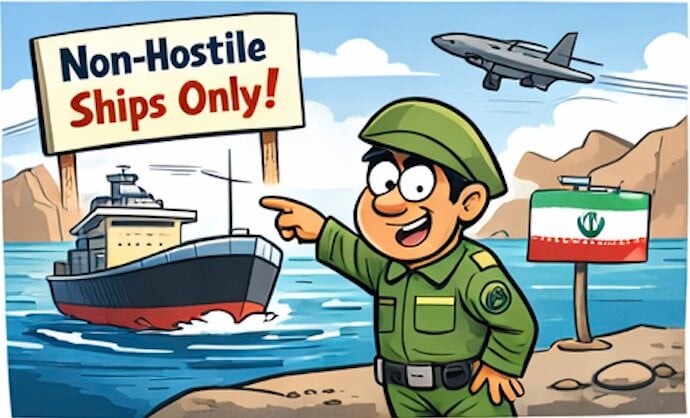
Iran has told the United Nations and the International Maritime Organization that “non-hostile vessels” may transit the Strait of Hormuz if they coordinate with Iranian authorities and avoid hostile activity. On paper, that sounds like a partial opening. In practice, it is the geopolitical version of saying the door is open, but only if you know the password and nobody in the room dislikes you.

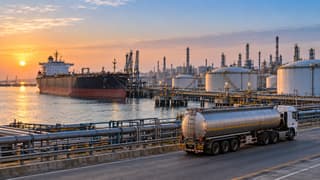
The announcement matters because Hormuz carries a huge share of global oil and LNG flows. Any restriction, selective access rule or political ambiguity can keep freight costs elevated and traders nervous. For India and other major importers, this means the fuel outlook may improve only if shipping actually normalizes, not just because the wording became less terrifying.

  • Iran signaled access for “non-hostile” ships.
  • Hormuz remains the market's main choke point.
  • Shipping confidence is still fragile.

Watch: Iran Says Strait of Hormuz Open to Non-Hostile Vessels

Related Fuel News

More updates you might want to read next.

Kanpur-Kabrai NH-34 Highway Cleared At Rs 7,145 Crore: Why The BOT Toll Corridor Matters For Freight

The Cabinet has approved a Rs 7,145.14 crore, 117.7-km access-controlled greenfield highway between Kanpur and Kabrai on NH-34 in Uttar Pradesh. The BOT toll project is designed to cut travel time from 3.5 hours to 1.5 hours, strengthen links to the Kabrai mining belt and Bundelkhand corridor, and lower logistics friction for freight, construction material and agricultural movement.

India Resets Export Duty On Petrol, Diesel And ATF From July 1: Why Refiners, Airlines And Fuel Users Should Watch It

India has reset windfall-linked export duties from July 1, 2026 by raising the levy on petrol exports to Rs 4 per litre while cutting diesel and aviation turbine fuel export duties to Rs 8.50 and Rs 7.50 per litre respectively. The move matters because it changes refining economics, export incentives and the downstream pressure points that can eventually shape domestic fuel availability, airline costs and broader transport pricing.

Commercial LPG Down Rs 183.50, ATF Cheaper By Rs 5: What July Relief Means

State-run oil companies cut the 19-kg commercial LPG cylinder price by Rs 183.50 from July 1, 2026 and reduced aviation turbine fuel by Rs 5 per litre to about Rs 110 in Delhi. The move offers relief to restaurants, hotels and airlines, but household LPG, petrol and diesel users are still waiting.