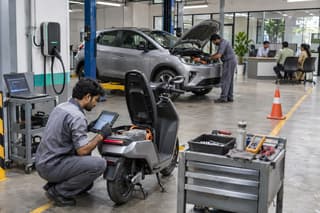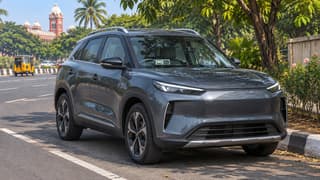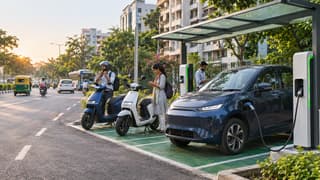
JSW MG Motor India is planning an investment of approximately ₹3,000–4,500 crore over three years to localise more EV components, add products and expand its Halol plant, according to a 9 Nov 2026 report based on an interview with managing director Anurag Mehrotra. The company says annual capacity is targeted to rise from about 1.2 lakh vehicles to 1.6 lakh by April 2027, a change that could affect how quickly Indian buyers can access its electric and other new-energy vehicles.
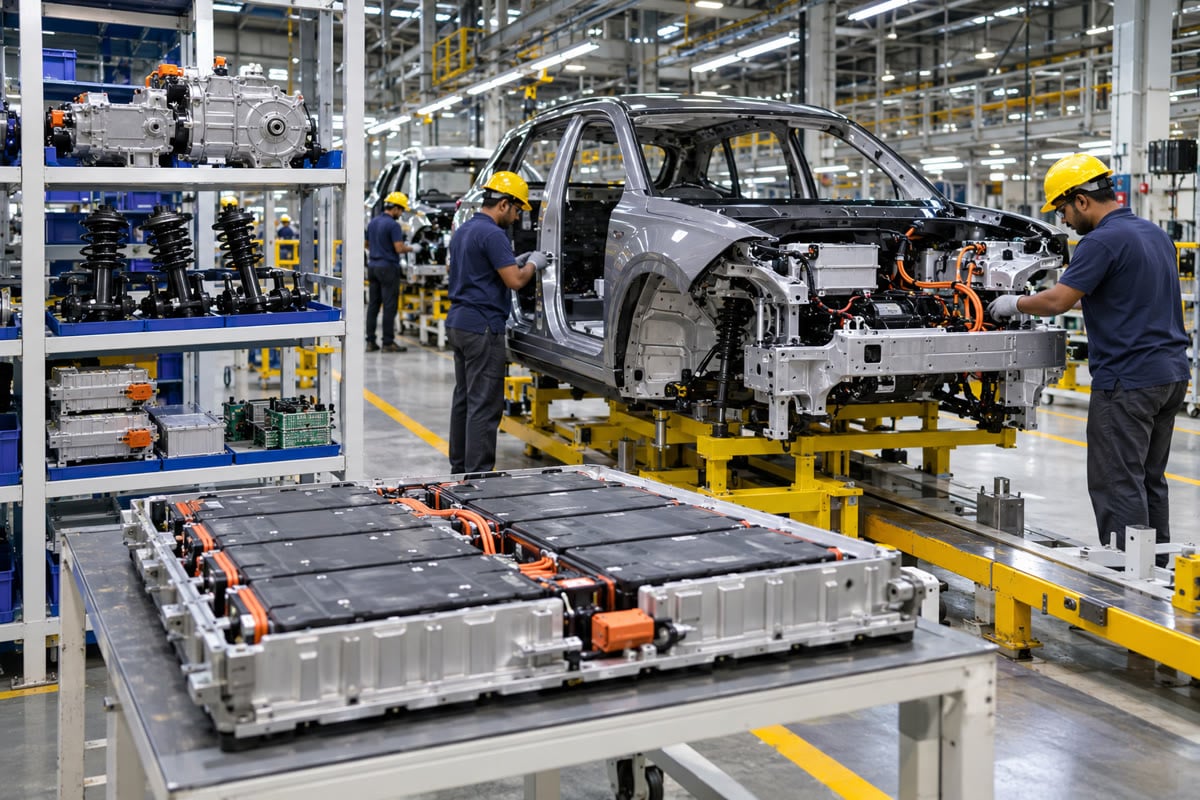
Illustrative image: an EV assembly line and battery modules. It is representative of manufacturing localisation and is not a photograph of a specific JSW MG model.
Key takeaways
- The latest reported investment range is ₹3,000–4,500 crore over three years, covering localisation, new products and plant expansion.
- Halol annual capacity is expected to move from about 1.2 lakh to 1.6 lakh vehicles by April 2027.
- Local battery-pack assembly is expanding, but reports differ on how far battery-management and other advanced components are already localised.
- The company’s ADAPT architecture is planned to support battery-electric, hybrid, plug-in hybrid and range-extender vehicles.
What JSW MG Motor has outlined
The immediate story is an industrial plan, not a new retail discount or a confirmed change in vehicle prices. Urban Acres reported on 9 Nov that Mehrotra put the company’s three-year investment range at ₹3,000–4,500 crore, with the money directed towards new products, local sourcing and plant expansion. The report also put current annual plant capacity at around 1.2 lakh vehicles and the April 2027 target at 1.6 lakh.
That broad direction is consistent with the company’s earlier public statements. In a July interview, the Financial Express reported an investment plan of about ₹4,000 crore, including ₹1,400 crore for that year, and a first expansion phase taking capacity from 1,20,000 to 1,60,000 units by March 2027. The latest ₹4,500-crore upper end and April timing should therefore be read as an updated company outlook, not as a promise that every rupee will be spent immediately or that output will automatically reach the target.
Why localisation matters to EV users
For a vehicle buyer, localisation matters because imported cells, electronics, magnets and other components can expose production to freight costs, currency movements and shipping disruptions. More domestic sourcing can make supply planning more resilient, but it does not by itself guarantee a lower showroom price. The eventual effect will depend on component scale, battery costs, taxes, logistics, warranty costs and how much of the benefit the company passes through to customers.
There is also a moving target in the component mix. The Financial Express said the company planned to take Windsor localisation to 70% by the end of calendar 2027. Autocar India reported in June that battery packs were assembled locally while battery cells and advanced electrical components were still imported. By contrast, the 9 Nov Urban Acres report, citing the latest BusinessLine interview, said battery assembly including the battery-management system was fully localised at Halol, while cells could continue to come from China.
Those descriptions are not identical, and no component-level audit was published with the latest announcement. The safe reader takeaway is that local assembly is growing, but the depth of localisation for every battery and electronic component remains a point to watch. The company’s own official material confirms that localisation and a robust local supply chain are central to its manufacturing strategy, while JSW separately describes battery assembly, supplier integration and charging infrastructure as parts of its wider mobility ecosystem.
What changes for Indian EV buyers
There is no immediate buyer benefit that can be calculated from the investment alone. Capacity expansion may improve vehicle availability if the plant, suppliers and logistics network scale together, while deeper local sourcing may reduce the risk of a component shortage. Neither outcome is guaranteed, and the company has not announced a price cut linked to this plan.
Buyers comparing an EV with a petrol or diesel vehicle can use the fuel-cost calculator to set a running-cost baseline. For charging access, the state-wise EV charging directory is the more relevant next check, especially for households without a dependable home-charging point. People planning longer journeys can also compare route distance and stops in the road-trip planner. FuelPrice’s earlier report on India’s EV charging viability explains why manufacturing growth and charging reliability need to move together.
What to watch next
- April 2027 capacity: whether Halol reaches the reported 1.6 lakh annualised capacity target and whether deliveries improve alongside it.
- Local content: whether Windsor localisation reaches 70% by the end of calendar 2027, as reported in the earlier company interview.
- New products: the first ADAPT-based battery-electric vehicle and the planned plug-in hybrid are expected in the financial year ending 31 March 2027, according to the July interview.
- Imported inputs: whether cells and advanced electrical components remain dependent on overseas supply even as pack assembly and supplier integration expand.
Reader takeaway
JSW MG Motor’s latest plan signals that the next stage of India’s EV race will be judged not only by registrations, but also by the reliability and economics of the supply chain behind each vehicle. For drivers, the practical test will be visible in product availability, delivery timelines, charging support and final ownership costs. The reported investment is a meaningful industrial commitment, but it is not itself a guarantee of cheaper EVs or faster savings.
Sources
- Urban Acres — “JSW MG Motor Investment Bets on Local EV Supply Chains” (9 Nov 2026)
- The Financial Express — “India has an EV supply issue, not a demand issue: Anurag Mehrotra, MD of JSW MG Motor India” (17 Jul 2026)
- Autocar India — “JSW MG Motor India plans 70 percent localisation across line-up” (1 Jun 2026)
- JSW MG Motor India — “Parth Jindal Appointed Chairman of JSW MG Motor India” (31 Aug 2026)
- JSW Group — “Electric Vehicles and JSW Green Mobility: Powering India’s EV Future” (3 Sep 2026)