NHAI has removed approximately 55 unauthorised temporary structures from land and the right of way along NH-44 and NH-444A, the Ministry of Road Transport and Highways said in a 29 Oct 2026 release. The action matters to drivers and transport operators because the agency says the clearance is meant to keep these highways free of obstructions and support safer, smoother movement.
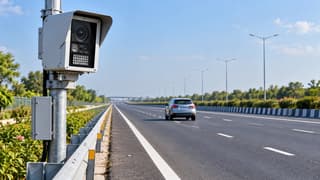
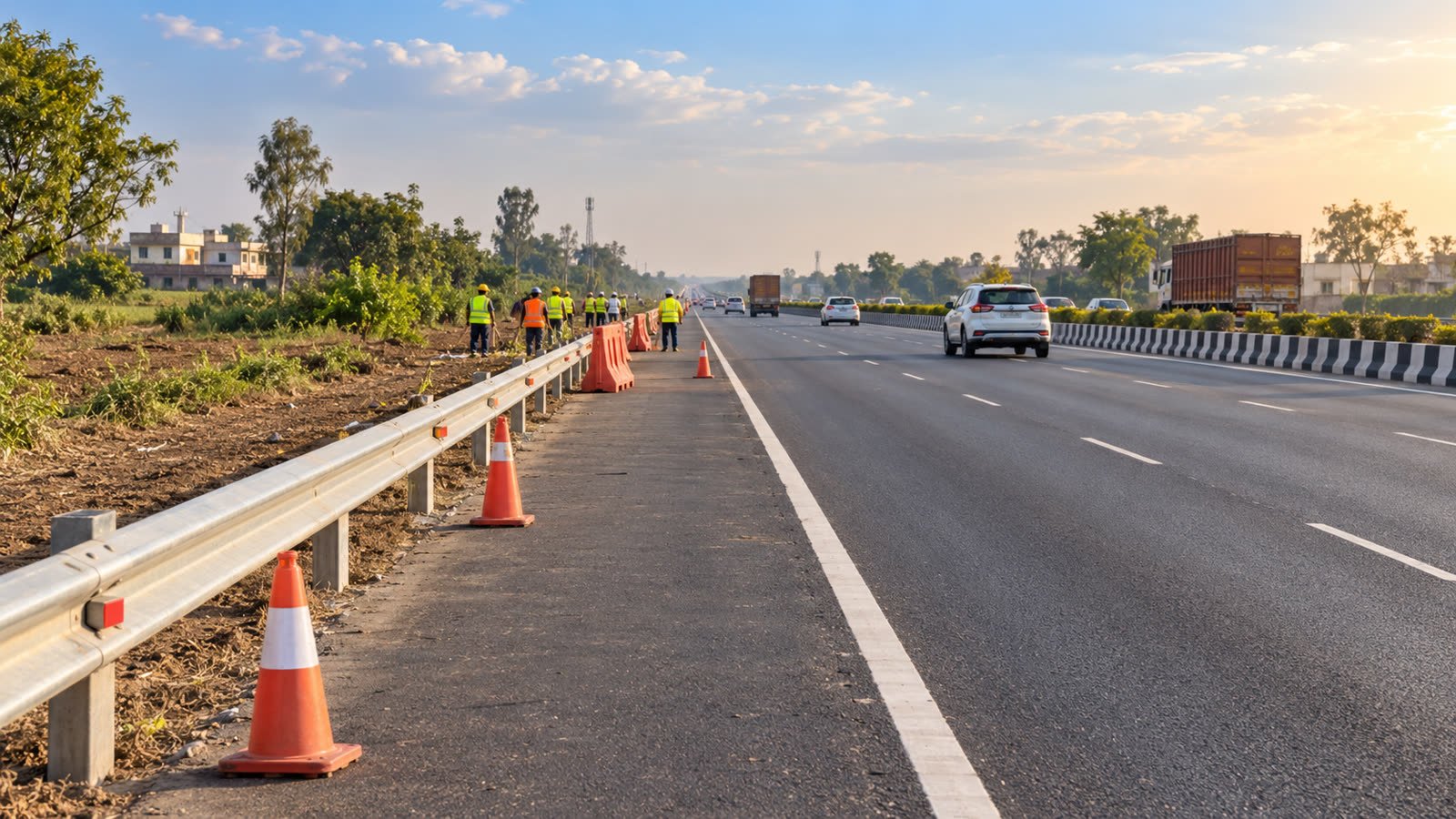
Image note: The hero image is illustrative and does not show the reported drive.
Key takeaways
- NHAI's Project Implementation Unit in Ambala, under its Chandigarh regional office, carried out the special clearance drive.
- The authority said approximately 55 unauthorised temporary structures within NHAI land and the highways' right of way were removed.
- NHAI described the purpose as improving smooth and safe traffic movement and convenience for road users.
- The release says further measures will continue to keep national-highway right of way free from encroachments.
What NHAI confirmed on 29 October
The Ministry of Road Transport and Highways release describes the action as a completed special anti-encroachment drive on two national highways. It identifies the implementing unit as NHAI's PIU Ambala, working under the Regional Office, Chandigarh. The announcement does not give chainage, a lane-by-lane schedule or a list of the structures.
That distinction is useful for anyone planning a journey. This is a road-infrastructure and safety update, not an announcement of a new toll fee, a FASTag rule or a blanket route closure. The published release says the structures were on NHAI land and within the right of way; it does not say that all roadside activity along either highway has been removed.
It also says NHAI will continue taking necessary measures to keep the right of way free. In practice, that means drivers may see more clearance, inspection or enforcement activity on the relevant corridor, but the release does not set out a separate timetable for follow-up work.
Why a clear right of way matters
A national highway's right of way is the space needed to keep the road operating, maintained and accessible for safety work. When temporary structures, roadside activity or unauthorised access points occupy that space, vehicles can be exposed to less predictable merges, reduced sightlines and conflicts between moving traffic and local activity. Those are practical risks, not a claim that every obstruction causes a crash.
Removing structures can therefore help make the edge of the carriageway easier to read and maintain. It may also leave more room for authorised maintenance or emergency teams to work when a vehicle breaks down or a road incident occurs. The useful expectation for road users is a potentially more orderly corridor, not a guarantee of faster travel on every trip.
Drivers should also separate the highway authority's stated aim from the result of one drive. NHAI says the operation was intended to support smooth and safe movement. Actual travel time will still depend on traffic, weather, construction, incidents and local access conditions. A cleared shoulder does not remove those other causes of delay.
How this fits the wider NH-44 enforcement picture
The development comes against a wider road-safety concern on the northern NH-44 corridor. In reporting dated 20 Oct 2026, The Tribune said NHAI was dealing with unauthorised access cuts on the Panipat-Ambala stretch, including repeated reopening of some points. The report said the authority was using barriers and coordinating with district administrations and police.
That earlier report is background, not a description of the same 55 structures named in the 29 Oct government release. The difference matters: roadside structures and unauthorised access cuts are related enforcement issues, but they are not interchangeable descriptions. Drivers should rely on current traffic signs and authorised entry and exit points rather than assume that a familiar informal access remains available.
What changes for drivers and fleet operators
Plan for conditions, not just the clearance headline
Because the release does not publish exact locations or a diversion plan, a driver making a time-sensitive trip should check current road conditions before leaving. The road-trip planner can help compare distance and travel-time assumptions, but it cannot replace live signs or instructions from traffic personnel at the site.
Do not assume a toll or FASTag change
The announcement concerns removal of unauthorised structures and protection of the right of way. It does not announce a toll revision or a new FASTag requirement. For a journey that uses national highways, use the toll-charge calculator to estimate the route cost separately from this enforcement update.
Recheck the fuel and operating budget
For private motorists, bus operators and freight fleets, the cost effect of a highway improvement is usually indirect. A more predictable route can help planning, but it does not by itself establish a saving in fuel or time. Use the fuel-cost calculator with the vehicle's expected mileage and route distance, and treat the result as an estimate rather than a promise.
Follow only authorised roadside access
Where a clearance operation has taken place, drivers should not stop on the shoulder to inspect the cleared area or use a newly open-looking gap as an informal entry point. Maintain lane discipline, follow barriers and signs, and use designated junctions and service roads. These checks matter especially for commercial vehicles that need more distance and turning space.
What to watch next
The clearest next signal is whether NHAI continues inspections and prevents re-encroachment, as the ministry release says it intends to do. A follow-up announcement may provide more precise locations, enforcement details or local traffic instructions; none of those details is included in the 29 Oct release.
For now, readers should treat the action as a confirmed infrastructure and road-safety measure affecting the NH-44 and NH-444A right of way. It should not be read as proof that every journey will be quicker, that tolls have changed or that all access issues on the wider corridor have been resolved.
Reader takeaway
NHAI's removal of approximately 55 unauthorised temporary structures is relevant because it targets the space around two important national highways. The immediate reader benefit is knowing what the action is—and what it is not: a clearance drive with a stated safety purpose, rather than a new toll rule or a guaranteed travel-time reduction.
Before travelling, use current road information, follow authorised access points and budget toll and fuel costs separately. Fleet operators should also allow for route variability until any follow-up operational details are published.