Three members of a Jaipur family were killed and two others were critically injured after their car left the Delhi–Mumbai Expressway near Nuh on Friday night, according to reports quoting Gurugram Police. The police investigation is still open, so for other long-distance drivers the immediate lesson is to treat fatigue and any loss of control as a reason to stop safely rather than push on.
Key takeaways
- Three family members died and two passengers were critically injured after the vehicle overturned near Saimirbass village in Nuh.
- The two reports agree on the casualty count but differ on the exact barrier struck, the time of the crash and who was driving.
- Police have not confirmed fatigue as the cause; speed, loss of control and statements from the injured remain part of the investigation.
- The incident is not a reported toll or FASTag rule change. Drivers using the corridor should check current travel advisories before departure.
What happened near Nuh
Hindustan Times reported that a family from Jaipur was returning from Gurugram when its car veered off the Delhi–Mumbai Expressway near Saimeerbass village, in the Firozpur Jhirka area of Nuh. The report said the vehicle hit a concrete wall and overturned multiple times on Friday night. Police said all five occupants were taken to Al-Alfia Government Hospital in Mandi Khera; two were critically injured, while three later died.
The Times of India reported a similar sequence but described an SUV hitting a divider before overturning. It said the preliminary investigation was looking at high speed and loss of control, while police had not ruled out the possibility that the driver had dozed off. The report also said forensic and crime-scene teams examined the location.
Those accounts do not match on every detail, including the driver’s identity and the precise roadside structure involved. That uncertainty matters: drowsiness is a line of inquiry, not an established cause. The police account cited by Hindustan Times also said that no other vehicle had been linked to the crash in the initial probe, but the final sequence would be clearer after the injured survivors were medically fit to speak and a family complaint was received.
What the incident means for long-distance drivers
A vehicle leaving its lane on a controlled-access road can become a serious crash within seconds. Drivers do not need to wait for a dramatic symptom before treating tiredness as a stop signal. Repeated yawning, heavy eyes, difficulty remembering the last few kilometres, missed signs or an unplanned lane drift are practical warnings that the journey needs a safe pause.
- Plan a genuine rest stop before starting a long night journey instead of making the destination the only target.
- If tiredness appears, leave the moving carriageway and stop only at a safe, designated location. Do not turn a fatigue problem into a roadside exposure.
- Share driving only with a fit and properly licensed co-driver. A passenger who is also tired is not a safety plan.
- Keep every occupant belted and secure loose luggage before setting off. These checks do not replace rest, but they reduce avoidable risk if a vehicle has to brake or swerve.
Checks before a Delhi–Mumbai Expressway trip
Anyone planning a long corridor journey can use the FuelPrice road-trip planner to map the route and mark practical stopping points. The fuel cost calculator can help estimate the trip budget, but fuel arithmetic should never decide whether a tired driver continues.
Before leaving, check tyres, lights, brakes, mirrors and fuel level, and keep a charged phone accessible without creating a distraction. If a vehicle becomes disabled, use the national-highway breakdown checklist for steps to move occupants away from moving traffic when safe, warn approaching vehicles and seek emergency support.
If a crash is encountered, slow down well before the scene, leave room for emergency vehicles and avoid stopping in a live lane to watch or record what happened. The goal is to prevent a second collision and give responders space to work.
What happens next
Police are expected to establish the final sequence from forensic examination, the vehicle evidence and statements from the two injured survivors. Until that work is complete, the reported facts support a serious crash near Nuh but do not establish a permanent safety condition for the entire expressway. The two reports also do not announce a toll revision or route-wide closure.
Drivers heading through the corridor should therefore check official travel advisories on the day of travel and build in a safe rest option. A preliminary reference to possible drowsiness should be read as a warning about the risk of fatigue, not as a final finding in this case.
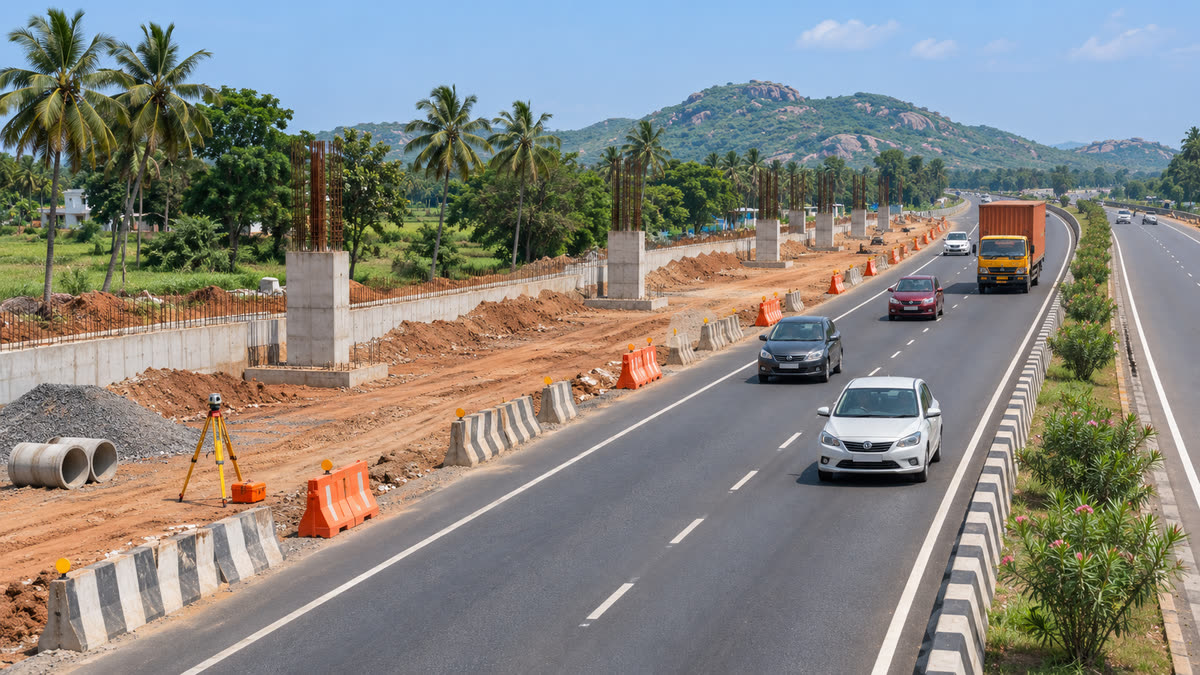
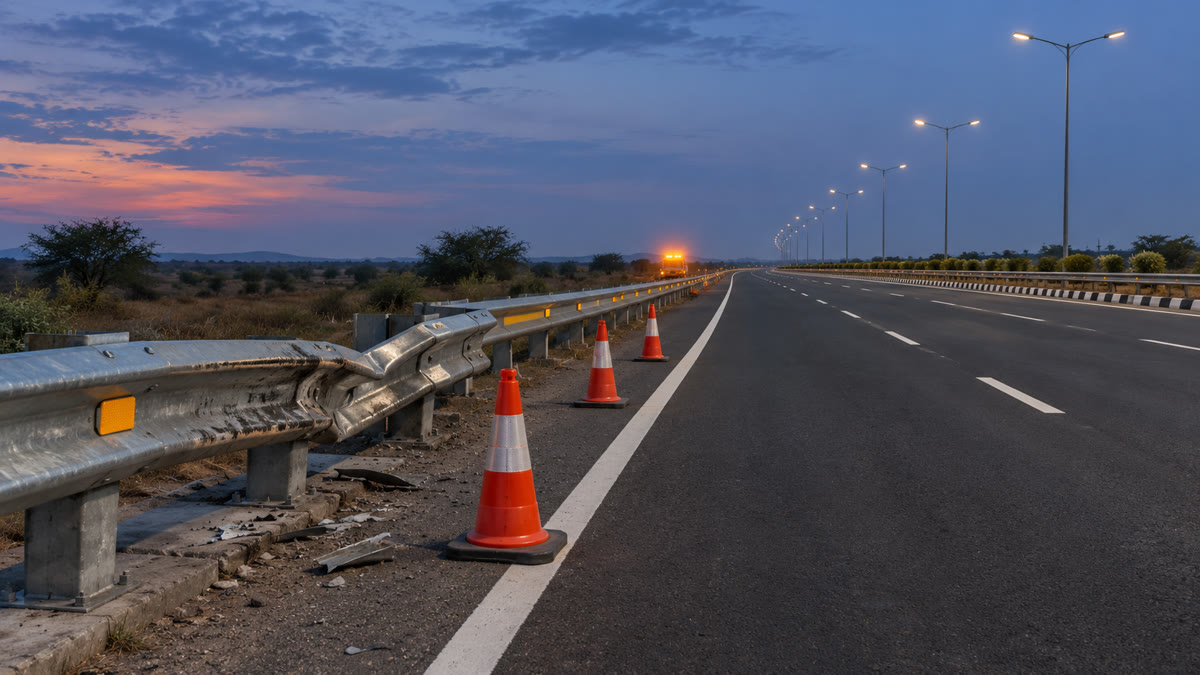
Image note: The hero visual is an illustrative editorial image, not a photograph of this crash.