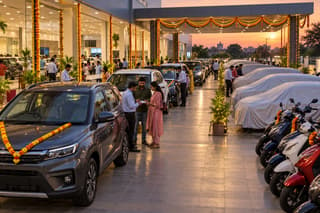
SBI General Insurance has outlined a seven-point motor-insurance checklist for people buying cars or two-wheelers during the festive season, asking them to look beyond compulsory third-party cover before taking delivery. The advisory focuses on IDV, exclusions, deductibles, add-ons and usage-based policies—details that can affect what a policy pays after a crash, theft or covered natural-calamity damage.
The guidance was reported on 29 Oct 2026 as vehicle purchases and highway journeys pick up around the festive period. It is an insurer advisory, not a new IRDAI rule or a change to motor-insurance premiums. The useful question for a buyer is therefore not which policy sounds widest, but what the wording covers, what it excludes and how much of a loss remains with the owner.
Key takeaways
- Third-party insurance is mandatory, but it does not by itself pay for damage to the insured vehicle.
- IDV, vehicle details and policyholder information need to match the vehicle and documents.
- Exclusions, deductibles and claim conditions can matter as much as the headline premium.
- Roadside assistance, zero depreciation, consumables, key and engine-protection covers are optional and subject to policy terms.
- Pay As You Drive and Pay How You Drive options have usage conditions; availability and pricing vary by insurer.
What the seven checks mean for a festive purchase
1. Separate legal compliance from vehicle protection
Indian law requires third-party motor insurance. That cover is designed for liability arising from injury, death or property damage caused to another person; it is not the same as cover for repairing or replacing the insured vehicle. A comprehensive policy generally combines third-party liability with own-damage protection for risks such as accidents, theft, fire and covered natural events, while an own-damage policy can sit alongside an existing third-party policy.
That distinction is easy to miss when a dealer or online quote presents several covers together. FuelPrice's third-party versus comprehensive insurance guide explains the difference between the two layers and the questions a buyer can ask while reading a quote.
2. Check the IDV and every vehicle detail
The Insured Declared Value, or IDV, is the vehicle value used for a total-loss or theft claim, subject to the policy wording. SBI General's own car-insurance guidance describes it as the maximum amount payable in those situations after depreciation is taken into account. A lower IDV may reduce the quoted own-damage premium, but it also lowers the ceiling on a total-loss settlement; a higher IDV can raise the premium. The number should therefore be read alongside the vehicle's age, variant, fuel type, accessories and depreciation basis.
Buyers should also check the registration details, policyholder name and other vehicle information before the policy is issued. A mismatch can create questions during a claim even when the accident itself is otherwise covered. The same check matters when a new car is delivered with a temporary registration or when a vehicle is bought through a business or family member.
3. Read exclusions, deductibles and claim conditions
Insurance protection is not unlimited. The checklist calls attention to exclusions, deductibles and claim requirements because these decide how the settlement works after an incident. A deductible is the part the policyholder pays under the policy; exclusions are situations or losses that the policy does not cover. The precise list varies by insurer and product, so the schedule and policy wording carry more weight than a sales summary.
For a buyer planning a long trip, this is a practical cost check. A policy with a lower premium can still leave a larger out-of-pocket amount if it has a higher deductible, a narrower add-on or a condition that is not understood at purchase. The comparison should be between like-for-like cover, IDV and deductibles rather than the premium alone.
4. Match add-ons to the vehicle and route
SBI General's reported checklist names roadside assistance, zero depreciation, consumables, key cover and engine protection among the add-ons buyers may review. These are not automatic benefits: they carry separate terms, limits and, in many cases, an additional premium. A buyer who rarely drives long distances may value a different set of protections from someone taking frequent highway trips, but the policy must still be checked for towing, repair and claim conditions.
EV owners need a separate look at the wording. SBI General's own EV insurance page describes cover options involving the battery, motor and charging equipment, subject to the product terms. That does not make every battery or charger loss covered. The relevant question is which event is covered, whether an add-on is required and what exclusions apply. FuelPrice's motor-insurance add-on guide provides background on zero depreciation, engine protection and roadside assistance without treating one option as suitable for every vehicle.
5. Treat usage-based cover as a contract with conditions
Pay As You Drive links the policy to a selected kilometre band or declared usage, while Pay How You Drive can use driving-behaviour measures. The reported advisory says buyers should examine the expected mileage, usage limits and policy terms before choosing such a product. These plans are not a universal promise of lower premiums: the final price, tracking method, permitted use and claim conditions vary by insurer and customer profile.
6. Keep the road-trip documents usable
The advisory also asks motorists to keep customer-care and roadside-assistance details accessible and carry essential vehicle and insurance documents on highway journeys. The useful set includes the policy number, registration certificate details, driving licence and the insurer's claim or assistance contact. A planned journey can also be checked in FuelPrice's road-trip planner, while insurance remains the separate protection layer for damage and liability.
What buyers should check before driving away
Before the first long trip, the checklist can be reduced to five questions: Is third-party liability active? Is own-damage or comprehensive protection included? Does the IDV and vehicle information match the documents? What deductible and exclusions apply? Which add-ons, roadside services or usage limits are actually written into the policy?
Those questions do not replace reading the policy wording, and they do not guarantee claim approval. They make the purchase record easier to understand and help separate a mandatory legal cover from optional protection that changes the financial exposure after an accident, theft or covered natural event. Actual premiums and benefits vary by vehicle, location, insurer, policy terms and customer profile.
Sources
- The News Mill — “SBI General outlines motor insurance checks for festive buyers” — 29 Oct 2026
- Right Column Media — “Festive Season Car Purchases: 7 Motor Insurance Checks to Make Before Taking Your New Vehicle Home” — 17 Oct 2026
- SBI General Insurance — “Car Insurance” — page marked as of May 2026
This article is for general information only and is not financial, insurance or legal advice.