UK Offers to Host Hormuz Summit as Shipping Crisis Turns Into an Energy Test

Britain has offered to host an international summit on reopening the Strait of Hormuz, underlining how quickly the conflict has turned into a global energy emergency.

UK Offers to Host Hormuz Summit as Shipping Crisis Turns Into an Energy Test

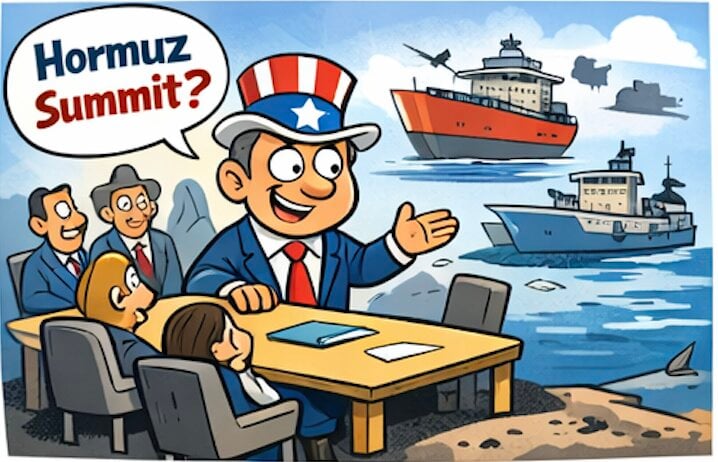
The UK has offered to host an international summit aimed at reopening the Strait of Hormuz, as the shipping crisis around the Iran conflict keeps squeezing energy markets. This is not just another diplomatic photo opportunity. It is a sign that governments now see tanker access, naval coordination and energy stability as one connected problem rather than three separate headaches.

British officials are reportedly examining practical options, including security planning and coordinated maritime operations, while warning that the economic cost of a prolonged disruption could spread far beyond the Gulf. For fuel markets, that matters because every day of uncertainty raises freight stress, insurance costs and pricing volatility. The summit idea is essentially Britain's way of saying the market cannot live forever on hope, press conferences and crossed fingers.

  • The UK wants a coordinated Hormuz response.
  • Shipping security is now a fuel-price issue.
  • Longer disruption means wider economic damage.

Watch: WION: Hormuz Closure Could Disrupt Billions in Global Trade

Related Fuel News

More updates you might want to read next.

Kanpur-Kabrai NH-34 Highway Cleared At Rs 7,145 Crore: Why The BOT Toll Corridor Matters For Freight

The Cabinet has approved a Rs 7,145.14 crore, 117.7-km access-controlled greenfield highway between Kanpur and Kabrai on NH-34 in Uttar Pradesh. The BOT toll project is designed to cut travel time from 3.5 hours to 1.5 hours, strengthen links to the Kabrai mining belt and Bundelkhand corridor, and lower logistics friction for freight, construction material and agricultural movement.

India Resets Export Duty On Petrol, Diesel And ATF From July 1: Why Refiners, Airlines And Fuel Users Should Watch It

India has reset windfall-linked export duties from July 1, 2026 by raising the levy on petrol exports to Rs 4 per litre while cutting diesel and aviation turbine fuel export duties to Rs 8.50 and Rs 7.50 per litre respectively. The move matters because it changes refining economics, export incentives and the downstream pressure points that can eventually shape domestic fuel availability, airline costs and broader transport pricing.

Commercial LPG Down Rs 183.50, ATF Cheaper By Rs 5: What July Relief Means

State-run oil companies cut the 19-kg commercial LPG cylinder price by Rs 183.50 from July 1, 2026 and reduced aviation turbine fuel by Rs 5 per litre to about Rs 110 in Delhi. The move offers relief to restaurants, hotels and airlines, but household LPG, petrol and diesel users are still waiting.