BMW has added Samsung SDI as a battery-cell supplier in Europe and LG Energy Solution in the United States for its sixth-generation, or Gen6, high-voltage batteries. Announced on 9 November 2026, the cross-market sourcing move is designed to put cells closer to BMW's battery and vehicle plants, which could make future electric-vehicle production less exposed to long, concentrated supply routes.
Key takeaways
- BMW has contracted Samsung SDI for Gen6 battery cells in Europe and LG Energy Solution for the US, with deliveries from established regional plants planned from the late 2020s.
- The announcement expands BMW's regional supplier network; it does not announce a new model, a consumer price, or a model-specific delivery date.
- BMW's Gen6 battery assembly network is planned around five facilities worldwide, including sites in Germany, Hungary, China, the United States and Mexico.
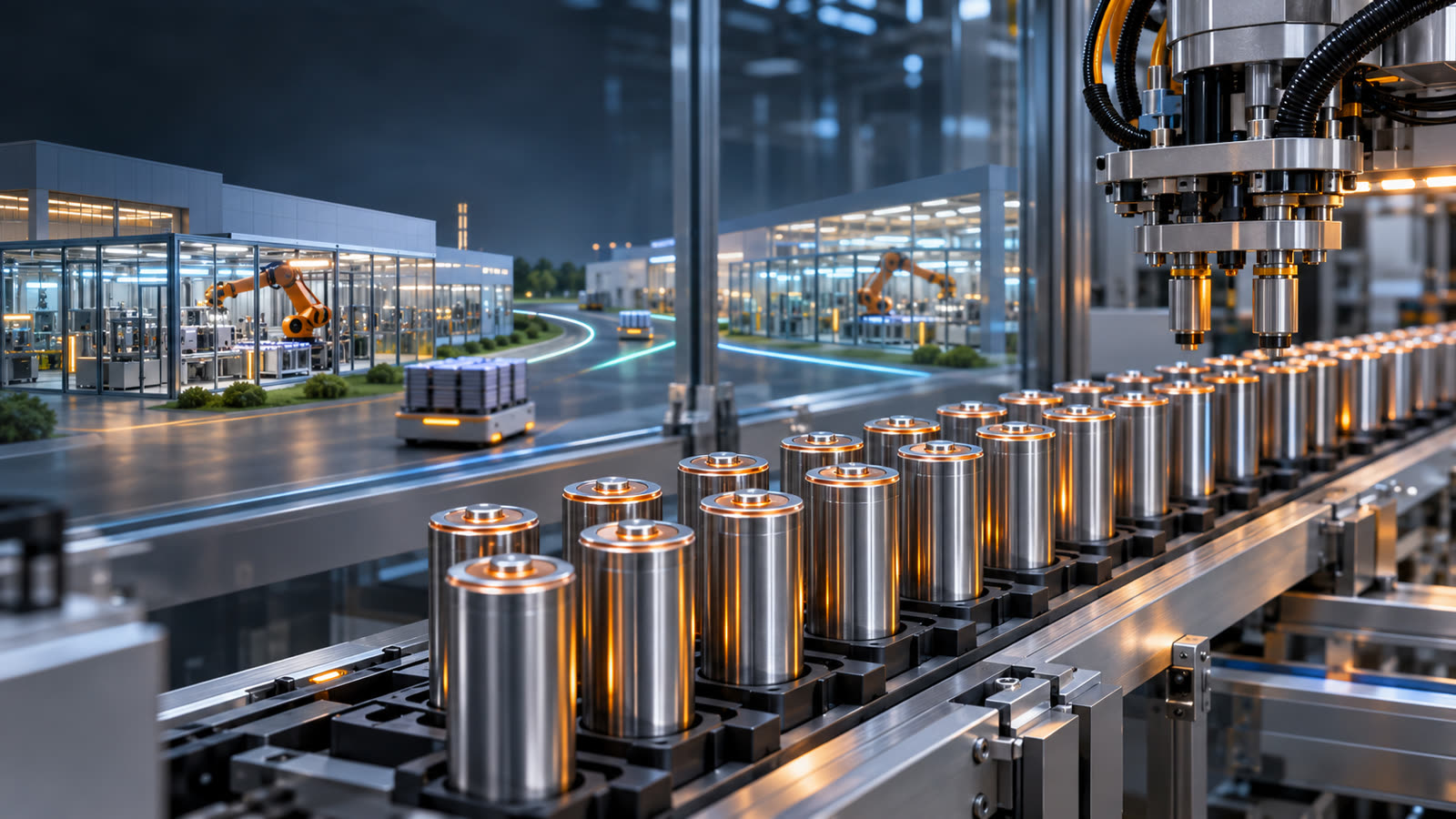
- BMW says the new cylindrical cells deliver more than 20% higher energy density than the previous generation; the company has not disclosed a contract volume for the new supplier additions.
What BMW announced
BMW said on 9 November that it had contracted two additional cell suppliers for Gen6 high-voltage batteries: Samsung SDI in Europe and LG Energy Solution in the US. The company said both suppliers will provide cells from established plants in their respective regions from the late 2020s onwards. Supply Chain Dive independently reported the same regional split on 11 November, describing the move as part of BMW's effort to localise its future EV supply chain.
This is a sourcing and manufacturing announcement, not a vehicle launch. BMW did not publish the value of either contract, the number of cells to be supplied, the first production month for each region, or a model-by-model allocation. Those omissions matter because a supplier nomination alone does not establish how quickly a new battery option will reach a showroom or what it will cost.
Why regional battery sourcing matters
BMW calls the approach “local for local”: source important components near the factory that uses them wherever practical. Battery cells are a particularly important part of that strategy because they influence the vehicle's energy capacity, charging behaviour and production schedule. Shorter routes can reduce shipping time and exposure to freight disruption, while more than one cell partner can give an automaker more flexibility if a plant, route or supplier faces a problem.
The company said its Gen6 battery assembly network is being built around five production facilities worldwide: Irlbach-Straßkirchen in Germany, Debrecen in Hungary, Shenyang in China, Woodruff in the United States and San Luis Potosí in Mexico. Supply Chain Dive also identified those five locations and reported that BMW is placing battery assembly close to its vehicle plants. The regional footprint means the new cell contracts are part of a wider manufacturing plan rather than isolated purchasing decisions.
For Europe, BMW said its Gen6 cell portfolio will include CATL, EVE Energy and Samsung SDI. LG Energy Solution will also supply BMW in the US. The mix leaves BMW with a broader network across Europe, North America and China while retaining a global supplier base. It also shows why battery supply-chain news has become a vehicle-market story: cell chemistry, factory location and logistics can affect the timing and cost of EV production even before a customer sees a change in a vehicle specification.
What could change for EV buyers and fleets
For a driver, the immediate answer is that nothing changes at the pump or charger because of this announcement alone. BMW has not announced a new retail price or said that every future EV in a region will use cells from one named supplier. Range, charging time and warranty terms will still depend on the vehicle, battery pack, software and local market configuration.
There is a longer-term consumer angle. In a separate 15 October 2026 production update, BMW said Gen6 cylindrical cells offer more than 20% higher energy density than the previous cell generation. Supply Chain Dive also cited the same company-stated 20% figure while reporting on the new supplier deals. Higher energy density can support more usable energy in a similar space, but the real-world result will depend on how BMW packages the cells in each model. It should therefore be treated as a stated technology target, not a promise that every Gen6 vehicle will deliver a fixed range increase.
Fleet operators and company-car buyers will have a different question: supply reliability. Localised cells and battery assembly may help BMW coordinate production across regions, but the 9 November announcement gives no contracted volume or delivery guarantee. Buyers comparing a future EV with a petrol or diesel vehicle can model the conventional-fuel side with the fuel cost calculator, while the EV charging directory can help check charging availability for the markets covered by FuelPrice.
Confirmed now, still open later
- Confirmed: Samsung SDI is an additional Gen6 cell supplier for BMW's European operations, and LG Energy Solution is an additional supplier for the US.
- Confirmed: BMW expects supply from established regional plants from the late 2020s onwards.
- Confirmed: BMW is pursuing a local-for-local network that includes five Gen6 battery assembly sites worldwide.
- Not yet disclosed: contract volumes, battery-cell prices, the exact start date in each region, and which named BMW models will receive cells from each supplier.
What to watch next
The next useful updates will be production milestones rather than another supplier headline. Watch for BMW, Samsung SDI or LG Energy Solution to identify the relevant plant, confirm when commercial cell output begins and connect the supply to a production vehicle. Model-level announcements should also clarify whether the benefit appears as more range, faster charging, a different pack layout or simply greater production resilience.
For the wider auto industry, the signal is clear: regional battery ecosystems are becoming part of global vehicle strategy. An automaker can still buy from a worldwide pool, but it is increasingly building the ability to manufacture and source closer to each major market. That may not change today's trip cost, yet it can shape the availability, specification and rollout pace of tomorrow's EVs.
Reader takeaway
BMW's Samsung SDI and LG Energy Solution agreements are a confirmed expansion of its Gen6 battery supply network across Europe and the US, with regional supply planned from the late 2020s. Treat the announcement as an upstream resilience move, not as a confirmed price or range change for a particular car. Follow later developments in worldwide fuel and energy news for production and market updates.