According to The Times of India on 03 Oct 2026, oil marketing companies have raised the reported bulk-diesel rate by ₹14.60 per litre to ₹153.57 per litre for commercial, industrial and institutional buyers. This is not a confirmed nationwide hike at ordinary vehicle pumps: the Petroleum Planning and Analysis Cell (PPAC) listed Delhi IOCL retail diesel at ₹95.20 per litre on 01 Oct 2026, so the immediate cost pressure is concentrated on direct bulk users such as fleets, factories and road contractors.
Key takeaways
- The reported bulk rate moved from ₹138.97 per litre in September to ₹153.57 per litre in October; the exact invoice can vary by location, supply point and contract.
- Bulk diesel is priced separately from ordinary retail pump diesel. PPAC's Delhi listing was ₹95.20 per litre as of 01 Oct 2026.
- A 1,000-litre purchase at the reported revision implies about ₹14,600 more before discounts, taxes, transport charges or other commercial terms.
- A wider retail-bulk gap can pull commercial users towards retail pumps, creating local stock pressure, but it does not by itself confirm a retail price hike for private motorists.
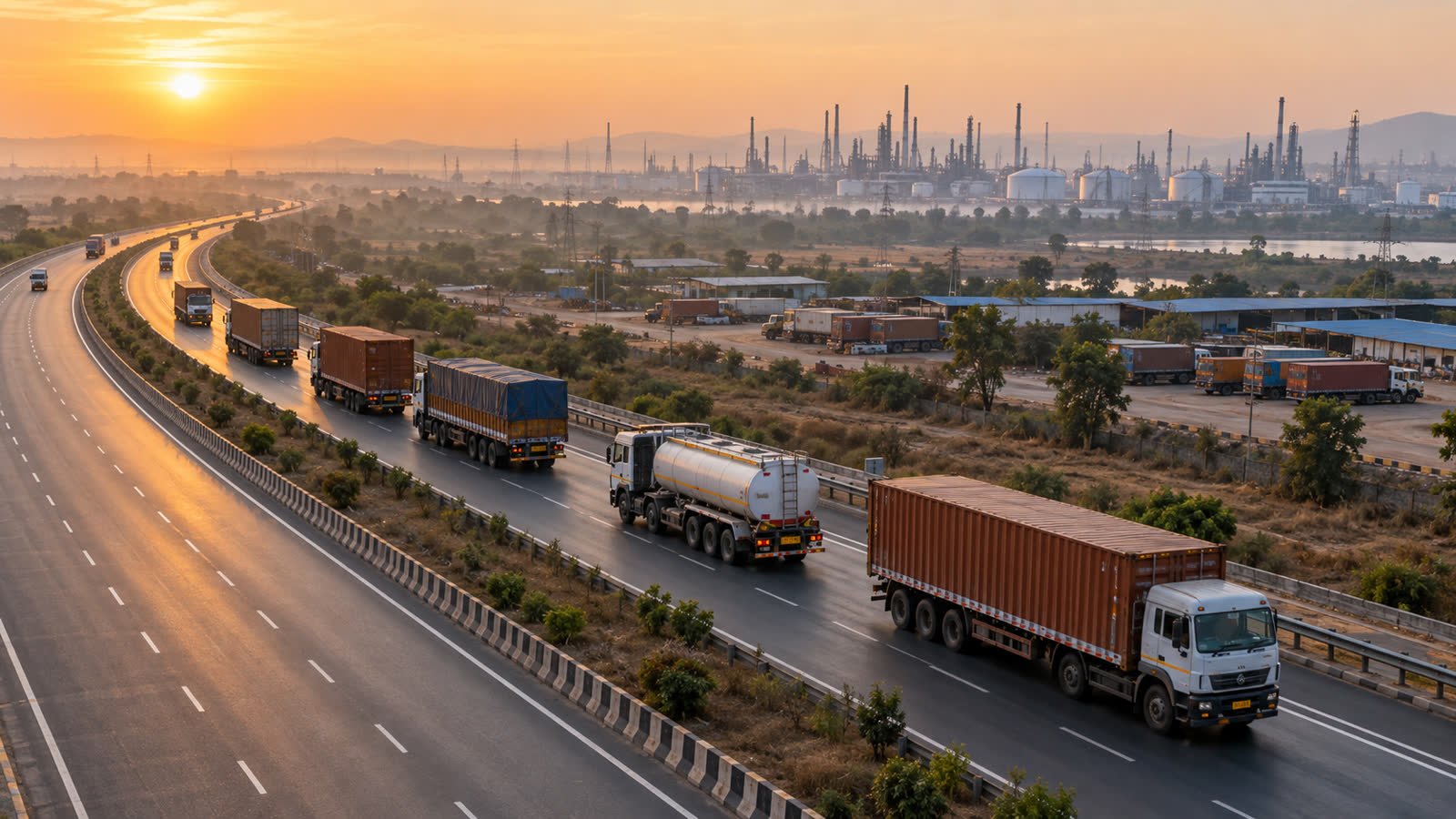
 Illustrative editorial image of Indian freight traffic and fuel-cost exposure. Credit: FuelPrice illustrative image, AI-generated; not a photograph of a specific fuel company.
What has changed for bulk buyers
Bulk diesel is the direct or institutional supply channel used by buyers that need much more fuel than a normal vehicle tank. It can cover transport fleets, factories, telecom and backup-power operations, mining and construction sites, hotels, rail-linked users and road-building contractors. The reported revision therefore affects operating budgets before it affects the price displayed on a familiar retail forecourt.
The Times of India reported that the bulk rate is aligned with international product benchmarks, while ordinary retail prices at public-sector oil company outlets are being kept on a separate track. Bulk prices can also differ by state, depot, delivery point, taxes, negotiated discounts and payment terms. The ₹153.57-per-litre figure should therefore be read as a reported market reference, not as a single all-India invoice that every commercial buyer will receive.
Why the retail-bulk gap matters
The gap is large enough to change buying behaviour. The Times of India calculated a ₹57.93-per-litre difference between the reported bulk and Delhi retail figures in its 03 Oct report. The Indian Express, using a separate snapshot on 02 Oct, reported that the gap could be as high as ₹50 per litre and said large consumers were lifting fuel from retail pumps. The figures are not identical because prices vary by location and time, but both reports describe the same operational problem: fuel intended for vehicle users can come under pressure from commercial demand.
For a fleet buying 1,000 litres, the reported ₹14.60-per-litre monthly revision adds roughly ₹14,600 to the fuel bill before commercial terms. A transporter may then need to account for the change in route quotations, freight contracts or customer billing, but the pass-through is not automatic and will depend on the contract. For a road contractor or factory, the effect can also reach equipment, generators and site logistics rather than just trucks.
The central government has previously treated this as a supply-and-distribution issue rather than a simple pump-price question. In its 12 Jun 2026 order, the Ministry of Petroleum and Natural Gas said industrial and institutional buyers should use designated consumer pumps and described the bulk channel as market-linked. That temporary order was aimed at preventing diversion, hoarding and localised retail supply problems; it was not a declaration that private motorists faced a nationwide shortage.
What it means for ordinary drivers
For a car or two-wheeler owner, the reported bulk revision is not the same as a new retail rate. PPAC's official Delhi listing showed IOCL diesel at ₹95.20 per litre on 01 Oct 2026, while retail prices remain state-specific. Drivers checking a trip should use the current rate for the relevant city or state through the live fuel-price page, rather than applying the bulk figure to a private-vehicle refill.
The indirect effect is more relevant. If higher bulk fuel costs persist, freight operators may face pressure in line-haul, construction and service contracts. That can feed into delivery charges or the cost of moving goods, but whether and when it reaches consumers will depend on fuel duration, route length, vehicle efficiency and commercial agreements. A private motorist can estimate the direct petrol or diesel portion of a journey with the fuel cost calculator, using the actual retail price rather than a reported bulk benchmark.
What to check now
- Bulk buyers: compare the latest supplier quote with the previous invoice and check whether the change is a depot rate, a delivered rate or a temporary adjustment.
- Fleet managers: separate fuel consumption from freight-rate changes so a reported bulk revision is not counted twice in monthly budgets.
- Retail customers: confirm the local pump rate and watch for an official OMC or government announcement before assuming a nationwide hike.
- Road users: keep an eye on outlet-level availability. The earlier report on private-pump diesel sales caps explains why retail access and bulk demand became linked.
What to watch next
The next signal will be whether international crude and refined-product costs remain elevated and whether public-sector oil companies revise ordinary retail prices. The ICRA assessment dated 23 Sep 2026 said sustained crude pressure with unchanged retail prices could weaken OMC profitability; Business Standard also reported on 03 Oct that state-run OMCs were carrying heavy fuel-marketing losses while diesel demand remained strong. Neither source establishes an immediate retail hike, so the reported bulk revision should be followed as a cost-pressure development, not presented as a confirmed change for every pump customer.
Reader takeaway
The reported October bulk-diesel rise matters first to commercial and institutional buyers, not to every private vehicle owner. The practical distinction is between a market-linked direct-fuel quote and the dated retail price at the pump: fleets should check their supplier terms and exposure, while ordinary drivers should continue to use current local retail rates for trip-cost calculations.
Sources
- The Times of India — “Bulk diesel price up Rs 14.6/litre as crude surge squeezes oil cos' margins” (03 Oct 2026)
- The Indian Express — “Fuel Sales Cap at Pumps Unacceptable, Govt to Tell Jio-bp, Nayara” (02 Oct 2026)
- PPAC — “RSP of Diesel in Delhi as per IOCL outlet as on 01-October-2026” (01 Oct 2026)
- ICRA — “Elevated crude prices weaken marketing margins of OMCs” (23 Sep 2026)
- Business Standard — “Diesel boom lifts Reliance and Nayara, leaves state-run OMCs bleeding” (03 Oct 2026)
- Ministry of Petroleum and Natural Gas — “Government notifies control order to curb black marketing and hoarding of diesel” (12 Jun 2026)