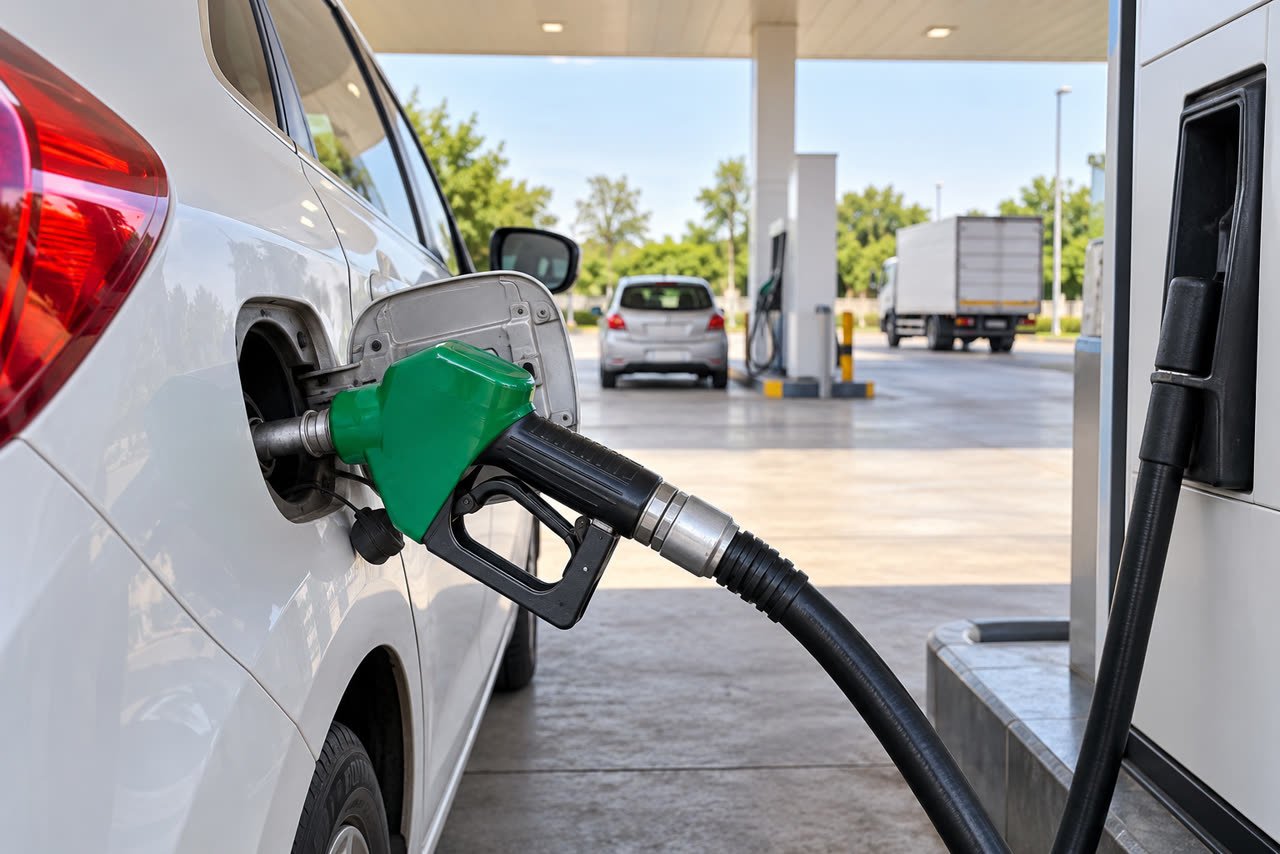
India is moving against reported sales caps at private fuel pumps: Petroleum Secretary Neeraj Mittal said on 1 Oct 2026 that the government will ask retailers to stop limiting petrol and diesel purchases. Nayara Energy said on 2 Oct that no supply restrictions had been imposed on its dealers and that it was maintaining fuel availability across its network, so the development is about access and quantity—not a new pump-price revision.
Key takeaways
- The government says private retailers cannot unilaterally cap petrol or diesel sales, but it has not announced a new retail-price cut or hike with this statement.
- Reports said Jio-bp and Nayara had placed volume limits at some outlets as bulk users moved to cheaper retail diesel.
- Nayara has publicly said its dealers have no supply restrictions and that it is maintaining fuel availability across its nationwide network.
- Motorists should distinguish a quantity limit at a particular outlet from a nationwide fuel shortage or a change in the per-litre price.
 Illustrative AI-generated image by FuelPrice; a representative, unbranded fuel-station scene, not a specific outlet.
What the government said about the caps
On 1 Oct, Mittal said the Centre would take up the issue with private fuel retailers. His position, reported independently by Reuters and The Indian Express, was that no company is permitted to impose a cap on fuel sales and that the government would tell retailers that such limits are unacceptable. Petroleum Minister Hardeep Singh Puri also said the ministry was in touch with private retailers, without setting out a new written order in the reports.
That wording matters. The government has said it will act, but the reports do not show that every private outlet has already removed a limit. Drivers should therefore not treat the announcement as confirmation that a reported cap has disappeared at every pump. It is a government position and a reported follow-up action, not a new fuel-price notification.
This is a materially new development after the earlier reports about private-pump diesel limits covered in FuelPrice's report on private-pump diesel sales limits. The new question for readers is whether the reported restrictions are withdrawn, and how quickly the companies communicate that change to dealers.
Why private retailers introduced limits
The pressure came from a widening difference between retail and bulk fuel economics. Reuters reported that retail petrol and diesel prices had not been revised since May even as international oil prices rose, while state-run retailers were absorbing losses on diesel sales. The Indian Express reported that the gap between retail and bulk diesel prices encouraged telecom companies, factories and hotels to buy from retail pumps instead of designated bulk channels.
That shift can create two problems at the same time. A commercial buyer may find retail diesel cheaper than its normal supply route, while a fuel station designed for vehicle refuelling has to handle unusually large transactions. The resulting rush can put pressure on local stocks and leave ordinary motorists waiting or searching for another outlet. It also creates a commercial incentive for private retailers to prioritise bulk sales, exports or other channels when retail margins are negative.
Separate from the current private-retailer dispute, the Petroleum Ministry had used a temporary control order during the West Asia disruption. The official 29 Jun PIB release said that a 200-litre-per-customer-per-day diesel limit at public-sector retail outlets, along with a direction for industrial and commercial buyers to use designated consumer pumps, was withdrawn from 1 Jul 2026. That earlier order is background; it should not be confused with the reported limits at private outlets in late September.
What Nayara’s statement means
Nayara said on 2 Oct that it had not imposed supply restrictions on dealers across its retail network and was taking measures to maintain seamless access in line with demand. The company’s statement is important because it gives customers a direct assurance, but it does not by itself establish that every pump has identical stock or operating conditions at every hour.
The company’s position also sits alongside reporting that some Nayara and Jio-bp outlets had applied customer-volume limits. Those claims are attributed reports, not a finding that every outlet in either network followed the same rule. The distinction is useful for drivers: an outlet-level limit, a dealer’s temporary stock position and a formal company-wide policy are different things.
What this means for motorists and fleet operators
For a private car or two-wheeler user, the immediate message is that this is not a new per-litre price change. The government is addressing how fuel may be sold, while Nayara is saying supply remains available. A driver checking the latest fuel prices in India should still compare the displayed rate at the chosen outlet because this announcement does not set a new pump price.
Fleet operators, transporters and businesses that depend on regular high-volume refuelling face a more practical question. If a private outlet has a local limit, a vehicle schedule can be disrupted even when fuel is available elsewhere. Before a long run, operators can use the fuel cost calculator to estimate consumption and keep fuel planning separate from any outlet-specific access issue. Bulk users should also continue using their authorised procurement channel rather than assuming that retail pumps will accept commercial-volume purchases.
Consumers should not respond by panic-buying or storing fuel in unsafe containers. If a pump declines a large transaction, note whether the reason is a stated quantity limit, a temporary stock issue or an equipment problem, and use the retailer’s customer-support route. The reported government response is intended to restore orderly retail access, not to encourage unusual purchases.
What to watch next
The next useful confirmation would be a written instruction or public update from the Petroleum Ministry, Jio-bp and Nayara stating how the reported limits are being handled at dealer level. Readers should also watch whether the retail-versus-bulk price gap narrows, whether public-sector retailers face renewed local demand spikes and whether oil companies revise retail prices. Until then, the safest reading is limited: the government says private sales caps are not acceptable, Nayara says its network has no dealer supply restrictions, and no nationwide retail price change has been announced in this episode.
Sources
- The Indian Express — Capping fuel sales at pumps unacceptable, govt to tell private fuel retailers Jio-bp, Nayara — 2 Oct 2026
- Reuters via The Economic Times — India will ask private fuel retailers to end sales rationing — 1 Oct 2026
- Business Standard — Nobody is allowed to put cap on sales: Oil Secretary Neeraj Mittal — 1 Oct 2026
- Business Standard — No fuel supply restrictions imposed across retail network: Nayara Energy — 2 Oct 2026
- Ministry of Petroleum and Natural Gas via PIB — Government withdraws temporary restrictions on sale and distribution of Petrol and Diesel — 29 Jun 2026