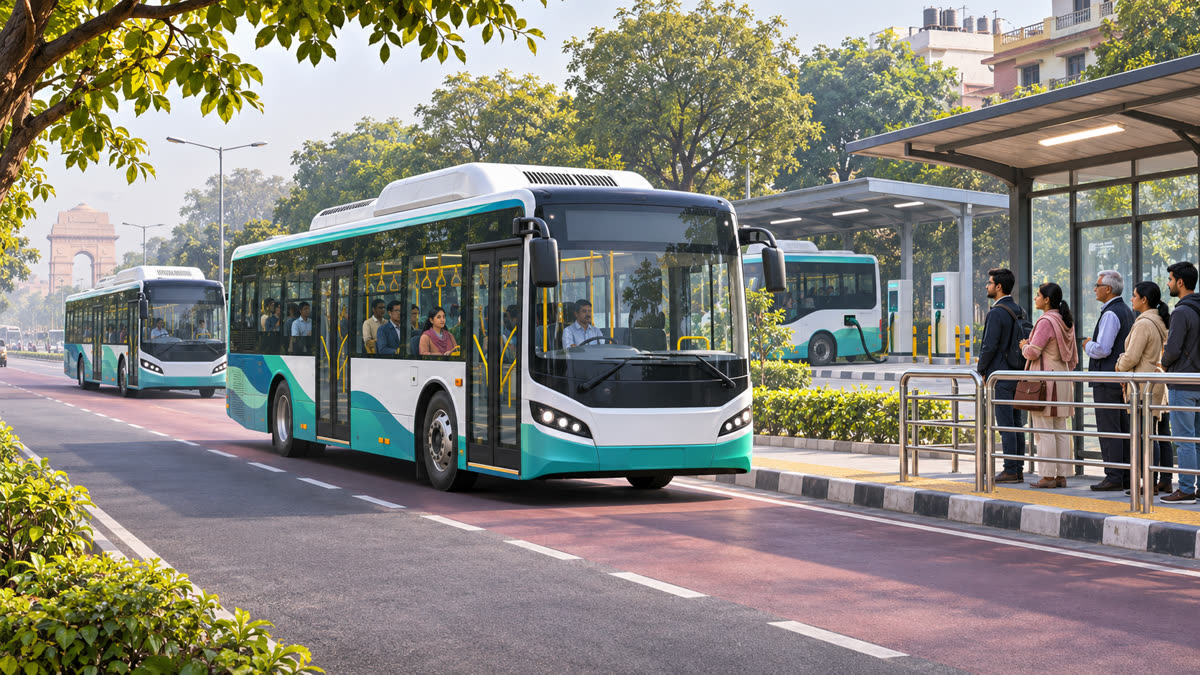
Delhi added 100 electric buses to its public-transport fleet on 20 November 2026, taking the reported fleet to about 7,088 buses, including 5,338 electric buses and 1,750 CNG buses. For commuters, the announcement expands the pool of cleaner city buses, but the practical benefit will depend on where the new buses are deployed, service frequency and the reliability of the depots that charge them.
Key takeaways
- Delhi launched 100 new electric buses on 20 November 2026.
- Reports put the city's public bus fleet at about 7,088 vehicles after the addition.
- The reported fleet includes 5,338 electric buses and 1,750 CNG buses.
- The launch expands zero-tailpipe-emission public transport, but route deployment and charging uptime will decide the day-to-day commuter impact.
What changed in Delhi
Delhi Chief Minister Rekha Gupta flagged off the new buses at Kashmere Gate ISBT, India Today reported, citing PTI. The Tribune separately reported that the addition would take Delhi's public bus fleet beyond 7,000 vehicles. Both reports put the expanded fleet at about 7,088 buses, with 5,338 electric buses and 1,750 CNG buses.
The figures describe the reported fleet position after the launch; they do not mean every bus will operate on every route or that every commuter will see an immediate timetable change. The reports also identify the rollout as part of Delhi's wider move to increase electric public transport.
Why the rollout matters to commuters
Electric buses have no tailpipe emissions while running. On routes where they are deployed, that can reduce direct exhaust exposure around busy stops and intersections compared with conventional combustion-engine buses. They are also generally quieter at low speeds, which can improve the experience around residential streets and bus terminals.
That benefit should not be confused with a guaranteed reduction in waiting times. Adding vehicles to a fleet can improve capacity, but the result depends on route allocation, driver availability, charging cycles, maintenance and whether the new buses replace or supplement scheduled services. Until route-level schedules are published, commuters should treat the announcement as a fleet expansion rather than a promise of faster service on a particular corridor.
The fleet count is only the starting point
The reported split of 5,338 electric buses and 1,750 CNG buses shows how quickly Delhi's public transport mix is changing. It also shows why a headline total needs operational context: the useful question for a passenger is not only how many electric buses Delhi owns or operates, but how many are assigned to a route, how often they run and what happens when a vehicle needs charging or maintenance.
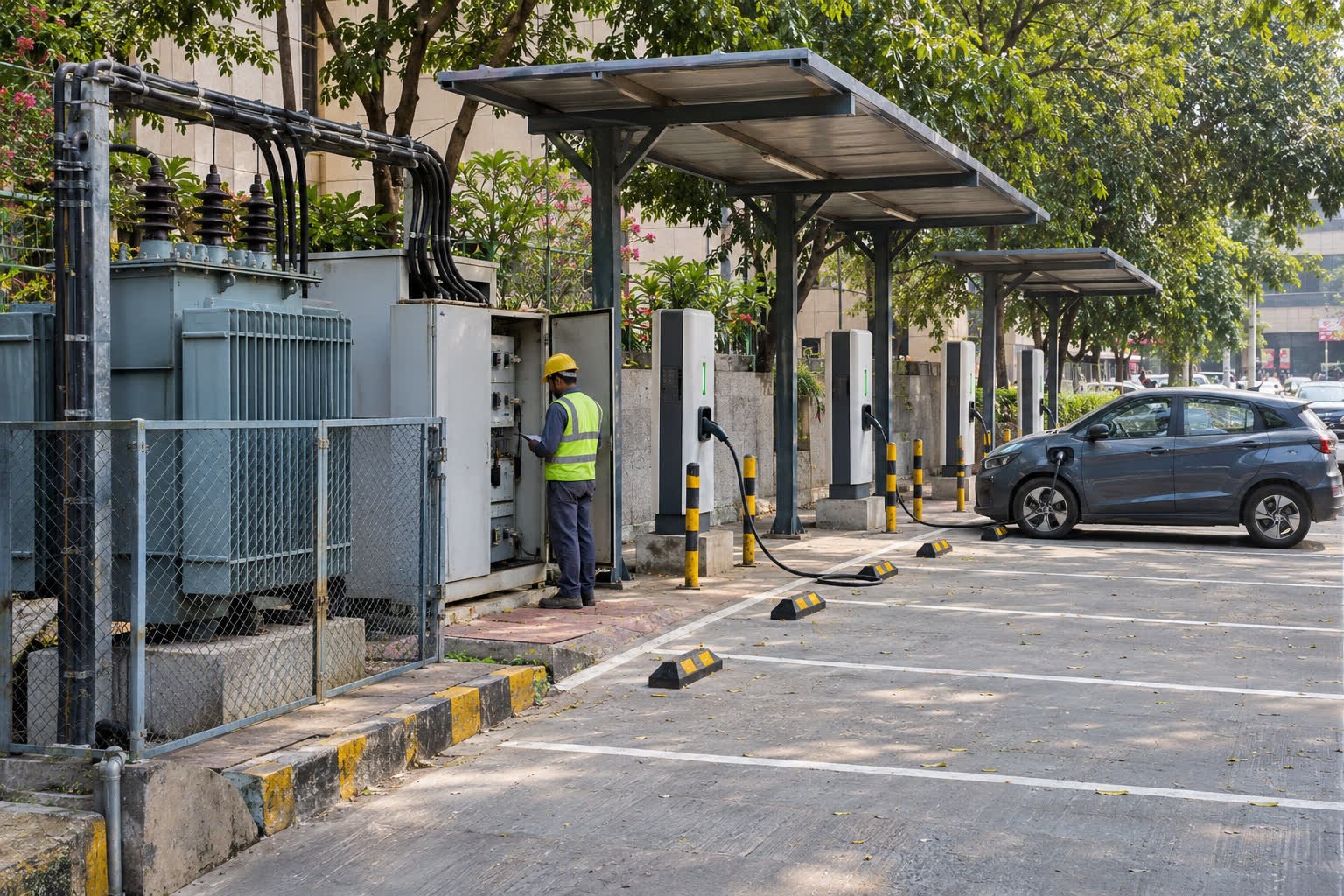
The Delhi government's 2026–27 budget highlights identify the expansion of electric buses and bus-depot charging infrastructure as transport priorities. That planning focus matters because the fleet can grow only if depots have enough charging capacity, electrical connections, maintenance capability and spare-vehicle arrangements. This is an operational inference from the rollout and the government's stated infrastructure priorities, not a claim that every depot is already equipped for the full reported fleet.
What private drivers can compare
For a commuter deciding between public transport and a private car for a specific journey, a bus announcement does not provide a personal cost figure. A useful baseline is to calculate the car's fuel expense with the fuel cost calculator, then consider tolls, parking, travel time and the first- and last-mile connection separately.
For longer journeys that combine city travel with an onward drive, the road-trip planner can help organise the route and estimated running cost. These tools do not predict a bus fare or timetable, but they make the private-vehicle comparison clearer instead of relying on a broad fleet announcement.
What EV infrastructure users should watch
The new buses will use fleet charging arrangements, which are not automatically the same as public charging points available to private EV owners. Drivers looking for public charging locations can check the state-wise EV station directory, while remembering that availability, connector type and operating hours can change.
The next useful updates from Delhi would be route-wise deployment, timetable or frequency changes, the operating status of the associated depot chargers and any service reliability data. Those details will show whether the additional buses are simply increasing the headline fleet or are also adding dependable capacity on routes where passengers need it.
Reader takeaway
Delhi's addition of 100 electric buses is a significant public-transport expansion, and the reported fleet now includes a large electric share. For commuters, however, the actionable part will come with route and schedule information. The launch points to a cleaner direction for city mobility; its everyday value will be measured by coverage, frequency and reliable charging-backed operations.