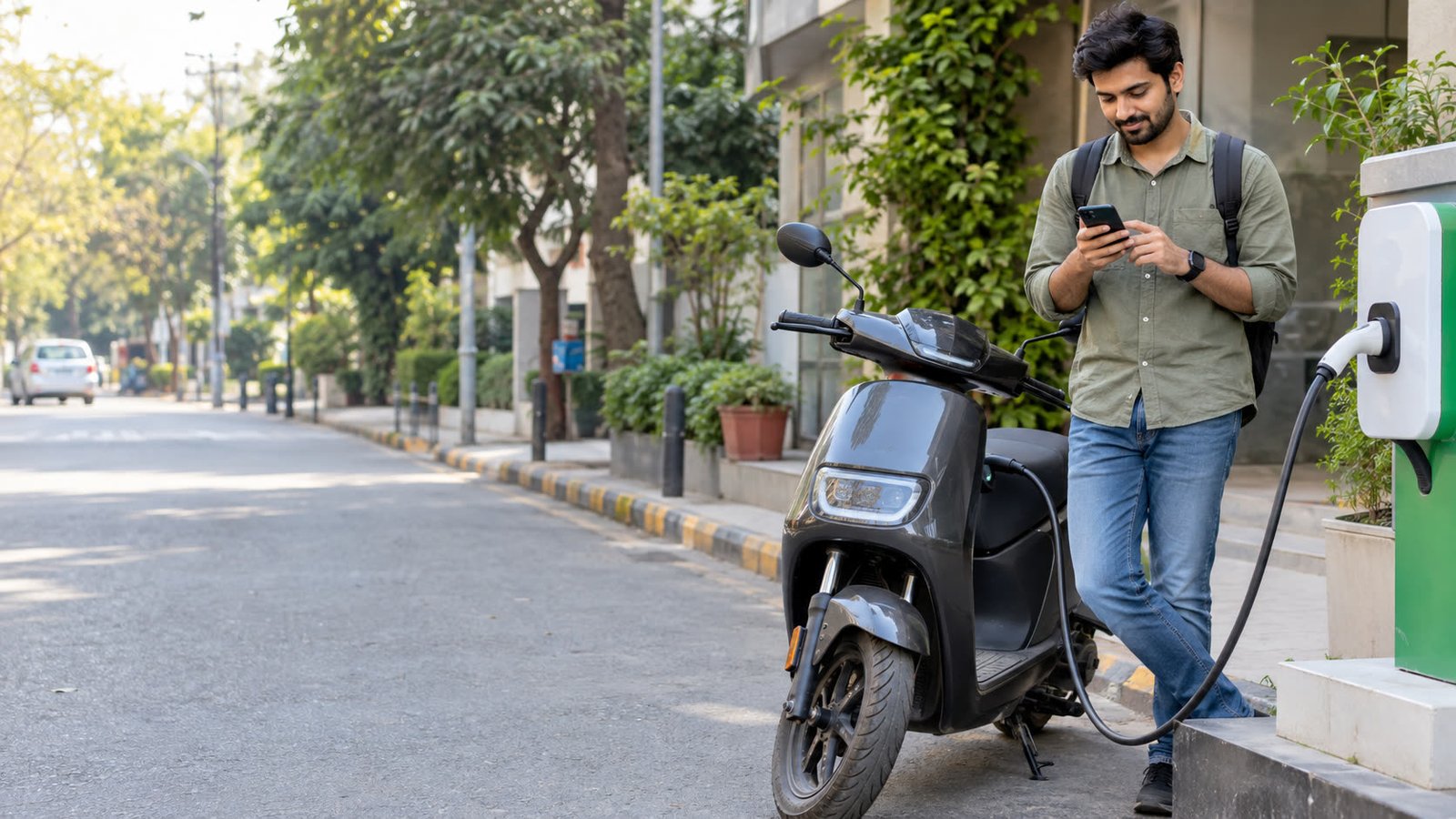
Delhi’s EV Policy 2026 has logged 5,678 applications and paid ₹4.80 crore in incentives to 1,664 beneficiaries as of 21 Sep 2026, according to government data reported separately by The Times of India and Dainik Jagran. Electric two-wheelers account for 5,621 applications and 1,648 payouts, making them the clear early centre of the scheme; for buyers, the key question is eligibility and claim tracking rather than the headline subsidy alone.
Key takeaways
- The portal had received 5,678 applications by 21 Sep 2026, with 1,664 beneficiaries paid ₹4.80 crore.
- Electric two-wheelers made up 5,621 applications and 1,648 paid beneficiaries, with ₹4.61 crore released to that segment.
- In the first policy year, an eligible electric two-wheeler can receive ₹10,000 per kWh, capped at ₹30,000, subject to the policy’s vehicle and registration conditions.
- Applicants must use the online process and should track the verification and Direct Benefit Transfer stages rather than treating an application as an approved payment.
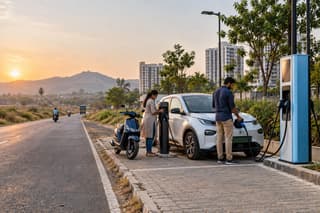
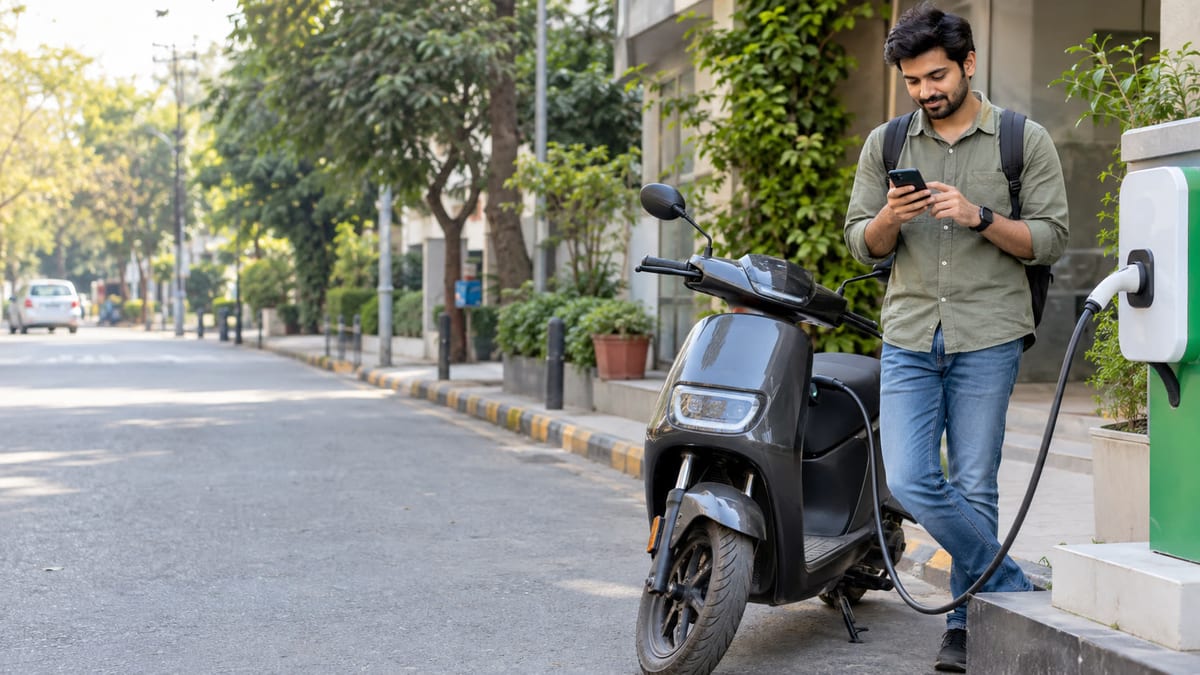 Editorial image generated for FuelPrice; it is not an official government portal screenshot.
Electric two-wheelers lead the early uptake
The latest reported numbers show where Delhi’s new policy is gaining traction. Of the 5,678 applications received through 21 Sep, 5,621 were for electric two-wheelers. Of the 1,664 beneficiaries who had received incentives, 1,648 were two-wheeler owners, while ₹4.61 crore of the ₹4.80 crore total had gone to that category.
That concentration matters for commuters comparing a petrol scooter with an electric model. The policy’s first-year purchase incentive is linked to battery capacity at ₹10,000 per kWh, with a maximum of ₹30,000. The official Delhi EV Policy 2026 also sets an ex-factory price ceiling of ₹2.25 lakh for an eligible electric two-wheeler. The subsidy is therefore not a universal flat reduction on every electric scooter: the model, battery capacity, registration year and other conditions still need to be checked.
For a simple ownership comparison, a buyer can first note the eligible purchase incentive and then compare the vehicle’s expected electricity cost with a petrol scooter’s running cost using the fuel cost calculator. That does not predict a buyer’s total savings, because charging, financing, insurance, maintenance and usage patterns vary, but it gives a clearer baseline than comparing showroom prices alone.
How the Delhi EV claim process works
The Delhi government’s EV Subsidy Portal is the route for submitting and tracking applications. Buyers of eligible vehicles purchased under the policy must file the claim online within 30 days of purchase or the relevant registration milestone specified by the portal. After document verification, the incentive is transferred through Aadhaar-linked Direct Benefit Transfer, with the government’s stated maximum timeline being 60 days after verification.
The practical checklist is straightforward:
- Confirm that the vehicle model is listed as eligible under the Delhi policy before treating the incentive as part of the purchase calculation.
- Keep the registration certificate, identity and bank details, invoice and any scrapping documents ready in the format requested by the portal.
- Submit within the stated deadline and save the application reference number.
- Check whether the claim is pending for document verification, approved for payment or returned for correction.
The reported payout count also shows why buyers should separate an application from a payment. More than 1,600 claims had been paid by the cut-off date, but the much larger application total means many cases were still moving through scrutiny or processing.
Policy benefits extend beyond the subsidy
Delhi’s policy is designed as a phased transition, not just a one-time purchase rebate. It also provides road-tax and registration-fee relief for eligible electric vehicles, with conditions for cars based on their ex-showroom price. For buyers of an electric car, that can change the on-road price calculation; for two-wheeler buyers, the battery-linked incentive is the more immediate benefit.
The policy also uses declining year-wise incentives. For electric two-wheelers, the notified schedule moves from ₹10,000 per kWh with a ₹30,000 cap in the first year to ₹6,600 per kWh with a ₹20,000 cap in the second year and ₹3,300 per kWh with a ₹10,000 cap in the third year. These are policy ceilings, not a promise that every vehicle will qualify for the maximum amount.
Delhi has additionally set a longer transition timetable: only electric auto-rickshaws are scheduled to be registered from 1 Jan 2027, while new electric two-wheeler registrations are scheduled to become the only option from 1 Apr 2028 under the notified policy. Existing petrol, diesel and CNG vehicles are not being erased from the road by those dates; the change concerns new registrations and should be read with the policy’s eligibility and implementation conditions.
What buyers and EV owners should watch
The next useful signal is not just how many people apply, but how quickly pending claims clear and whether the portal reports rejections, corrections or delays by vehicle category. The early data shows strong two-wheeler participation, while scrapping-linked incentives and electric goods-vehicle claims are moving at a different pace.
Charging access remains part of the ownership decision. Before relying on an EV for a daily commute or longer trip, buyers can check the state-wise EV charging directory and map the locations that fit their normal route. For longer journeys, the road-trip planner can help compare charging stops and trip timing, but actual availability should be confirmed before departure.
The reader takeaway is simple: Delhi’s new EV policy is producing visible early demand, especially for electric two-wheelers, but a subsidy should be treated as a claim subject to eligibility and verification. Compare the eligible incentive, on-road costs, charging access and expected usage before making the purchase calculation.
Sources
- The Times of India — “Electric 2-wheelers lead incentive chart under EV policy, scrapping yet to pick up” — 25 Sep 2026
- Dainik Jagran — “Delhi EV policy: 1,664 buyers receive ₹4.80 crore by 21 Sep” — 24 Sep 2026
- Transport Department, Government of NCT of Delhi — “Delhi Electric Vehicle Policy, 2026” — 1 Jul 2026
- India Today — “Delhi govt launches EV subsidy portal days after policy rollout” — 3 Jul 2026