The Centre has reduced the export duty on diesel and aviation turbine fuel (ATF) from 1 Oct 2026, while keeping the petrol export levy unchanged. For Indian drivers, the key point is that the new notifications do not reduce the existing excise duty on petrol or diesel sold for domestic consumption, so the export-tax change is not a direct cut in the price paid at a fuel pump.
The Ministry of Finance issued Notifications No. 52/2026-Central Excise and No. 53/2026-Central Excise on 30 Sep 2026. They apply from 1 Oct and set the next fortnight's export levies at ₹16 per litre for diesel, ₹10.5 per litre for ATF and ₹0.5 per litre for petrol.
Key takeaways
- Diesel export duty falls from ₹20 to ₹16 per litre from 1 Oct 2026.
- ATF export duty falls from ₹15 to ₹10.5 per litre for the same fortnight.
- Petrol export duty stays at ₹0.5 per litre.
- Domestic petrol and diesel excise-duty rates are unchanged; this is not a pump-price cut.
- The levies continue to be reviewed periodically as crude and refined-product prices move.
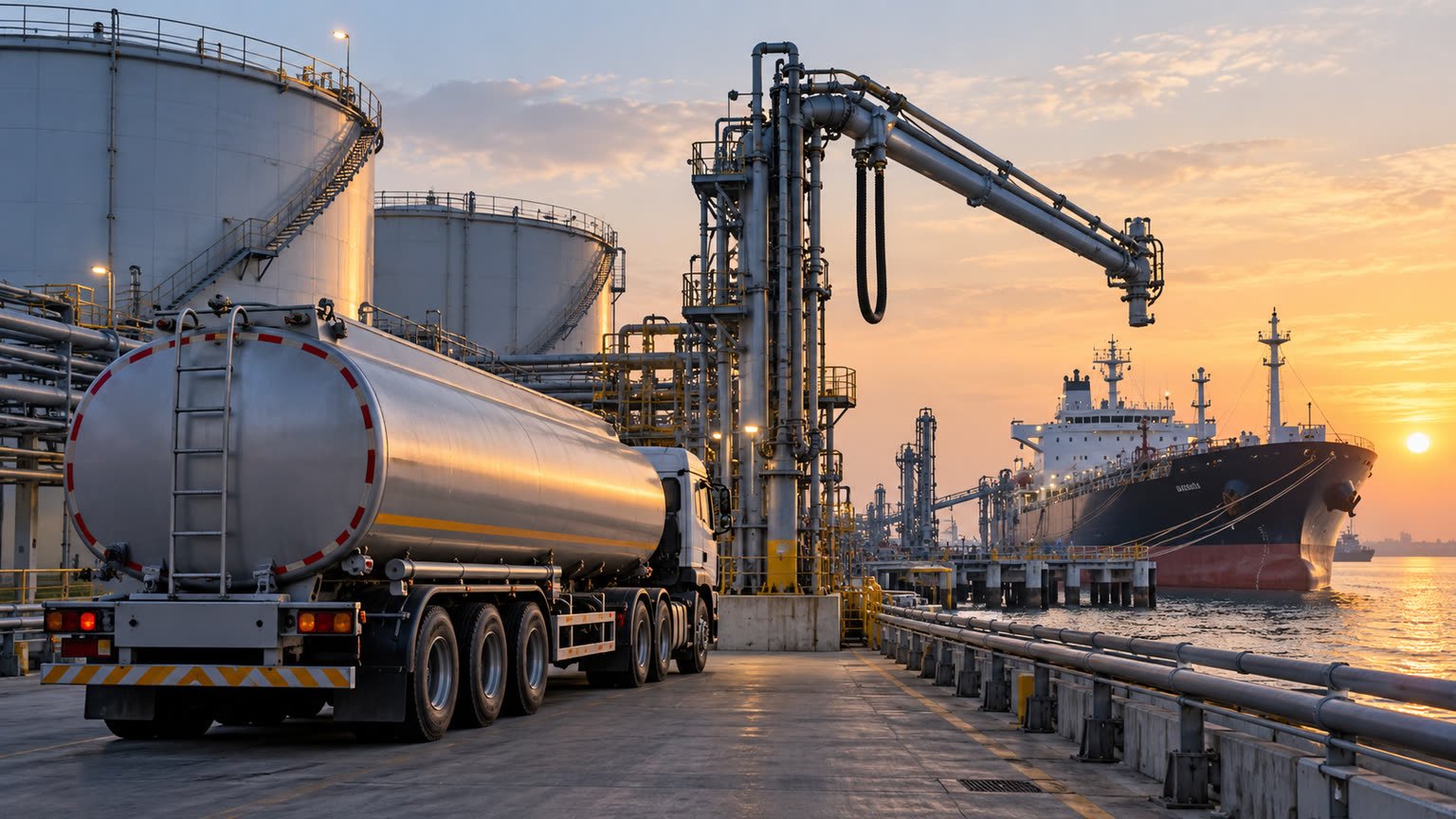
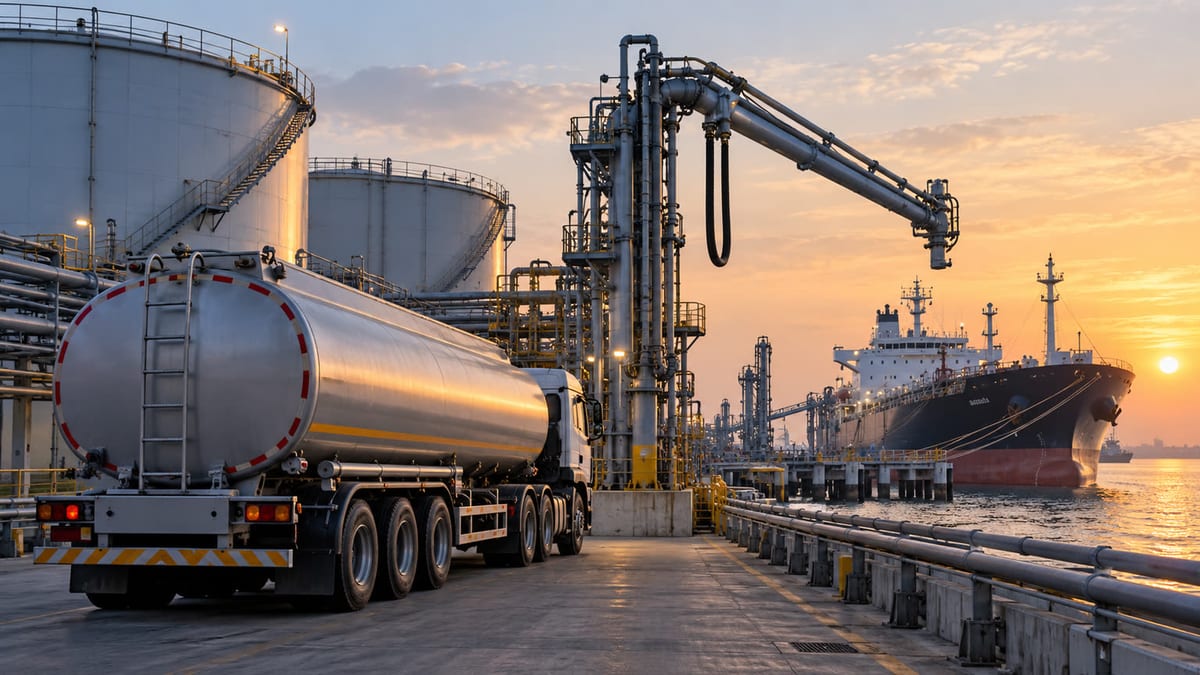 Illustrative fuel-export terminal with a tanker and cargo ship; not a photograph of a specific shipment. Image: FuelPrice editorial illustration.
What changed from 1 October
The new diesel rate is ₹4 per litre lower than the rate that applied from 16 Sep, while the ATF rate is ₹4.5 per litre lower. Petrol's export levy is unchanged at ₹0.5 per litre. The Finance Ministry's notifications make the effective date clear: the substituted rates apply from 1 Oct 2026 and are part of the central excise framework for products cleared for export.
| Product | Rate before 1 Oct | Rate from 1 Oct | Change |
|---|---|---|---|
| Diesel exports | ₹20/litre | ₹16/litre | ₹4/litre lower |
| ATF exports | ₹15/litre | ₹10.5/litre | ₹4.5/litre lower |
| Petrol exports | ₹0.5/litre | ₹0.5/litre | No change |
The preceding rates were in force from 16 Sep, according to the government's fuel-duty schedule. Moneycontrol and The Economic Times independently reported the same changes after the Finance Ministry notification. The rates above therefore describe export taxation, not the retail selling price at Indian petrol pumps.
What it means for Indian drivers
There is no automatic relief for a private car, motorcycle or local diesel vehicle owner. The notifications leave the existing excise duty on petrol and diesel cleared for domestic consumption unchanged. A fuel station's final price also reflects the oil marketing company's pricing, state-level VAT or sales tax, dealer commission and local conditions. Drivers should use the live petrol and diesel price page for their city instead of treating the export-duty cut as a domestic price revision.
The same distinction matters for transport operators. A fleet that buys diesel at Indian retail outlets does not receive a ₹4-per-litre reduction because that figure is the change in the tax on diesel exports. A shipment of 1,00,000 litres cleared for export would have a ₹4,00,000 lower duty bill on the notified rate difference, before any other tax, freight or commercial adjustment; that arithmetic does not transfer to a 1,00,000-litre domestic purchase.
For a refinery or exporter, the lower levy can change the tax cost of exporting diesel or ATF during this fortnight. It may affect export economics and product-routing decisions, but the notification does not promise a lower domestic pump price, cheaper freight or lower airfares. Those outcomes would depend on market prices, contracts, margins and subsequent policy decisions.
Why the government reviews the levy
India introduced the export levies on diesel and ATF on 27 Mar 2026 during the West Asia supply shock. The stated policy purpose was to discourage exports when international prices and margins could pull refined products away from the domestic market, while helping preserve local availability. The petrol export levy was added later in the same policy cycle.
The rates have been revised at fortnightly intervals. The latest move is a reduction rather than a change to the domestic fuel-tax structure: diesel falls from ₹20 to ₹16 per litre, ATF from ₹15 to ₹10.5 per litre, and petrol remains at ₹0.5 per litre. That means the next review, along with crude prices, refined-product prices and the rupee, is more relevant to future export-tax changes than the current cut is to today's pump bill.
What to check today
- Check the retail rate at the outlet or city where you will refuel; export levies and domestic pump rates are separate.
- For a long drive, estimate the trip using your vehicle's actual fuel economy and the current rate in the fuel cost calculator.
- For a multi-state fleet, compare the applicable retail rates through the state-wise diesel price hub; do not use the export-duty table as a retail-price table.
- Watch the next fortnightly notification if your business exports refined diesel or ATF.
Frequently asked questions
Will petrol or diesel become cheaper at the pump because of this announcement?
Not because of this announcement alone. The Finance Ministry has changed export levies and left the existing domestic petrol and diesel excise-duty rates unchanged. A separate retail-price change would need to come through the applicable domestic pricing or tax channels.
Does the diesel export-duty cut reduce truck operating costs?
Not directly for diesel bought at Indian retail pumps. The ₹4-per-litre reduction applies to diesel cleared for export. Fleet costs still depend on the local retail rate, kilometres travelled, vehicle efficiency, load, tolls and other operating expenses.
Sources
- Ministry of Finance, Notifications No. 52/2026-Central Excise and No. 53/2026-Central Excise, 30 Sep 2026
- Moneycontrol, “Govt cuts windfall tax on diesel, ATF exports; petrol duty unchanged”, 30 Sep 2026
- The Economic Times, “Centre cuts windfall tax on diesel, ATF exports from October 1”, 30 Sep 2026
This article is for general information only and is not financial, insurance or legal advice.