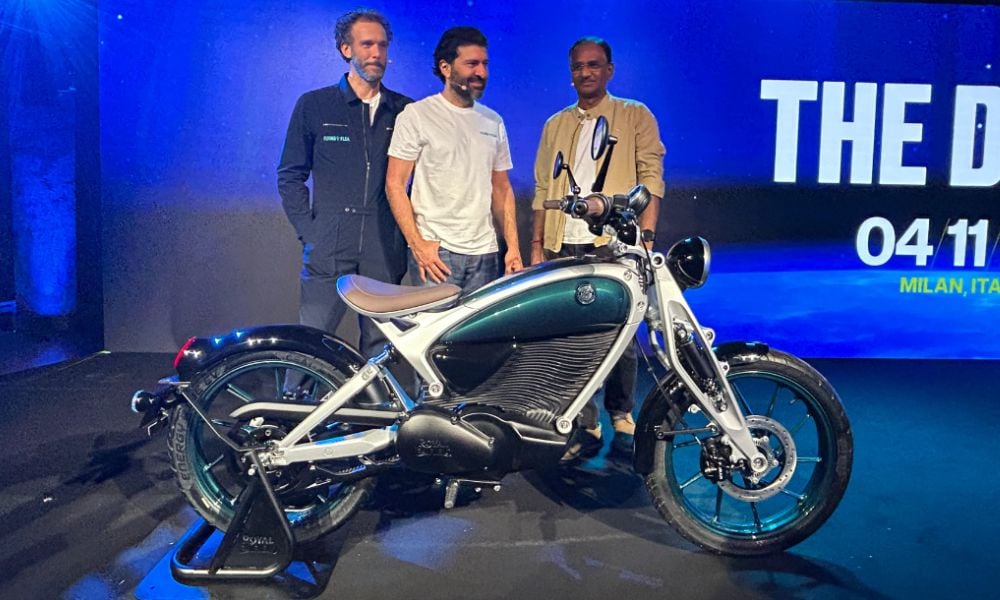
Royal Enfield’s first electric motorcycle is now far more than a concept headline. The Flying Flea C6 has had its specifications revealed, and the biggest talking point is its weight. At 124 kg kerb, the C6 is officially the lightest Royal Enfield yet. That is a major shift for a company usually associated with heavier, metal-rich motorcycles. For city riders, this could be one of the most practical and approachable Royal Enfields ever made.
Flying Flea C6 is Royal Enfield’s first electric motorcycle and its lightest bike yet.Quick Highlights
- Kerb weight: 124 kg
- Battery: 3.91 kWh lithium-ion pack
- Claimed range: 154 km IDC
- Peak power: 15.4 kW
- Peak torque: 60 Nm
- 0–60 kph: 3.7 seconds claimed
- Top speed: 115 kph claimed
- Price announcement: expected on 10 April
Battery, Range and Performance
The Flying Flea C6 uses a 3.91 kWh battery paired with a permanent magnet synchronous motor. Royal Enfield claims an IDC range of 154 km, which makes the bike clearly city-focused, but still usable enough for everyday commuting and short urban-to-suburban runs. The performance numbers are also more serious than many people may have expected from a retro-style electric motorcycle. With 15.4 kW peak output and 60 Nm torque, the C6 is claimed to sprint from 0 to 60 kph in just 3.7 seconds, with a top speed of 115 kph.
In simple terms, the C6 is not being positioned as a slow, novelty EV. It is being pitched as a lightweight, premium urban electric motorcycle that should feel quick in real city traffic.
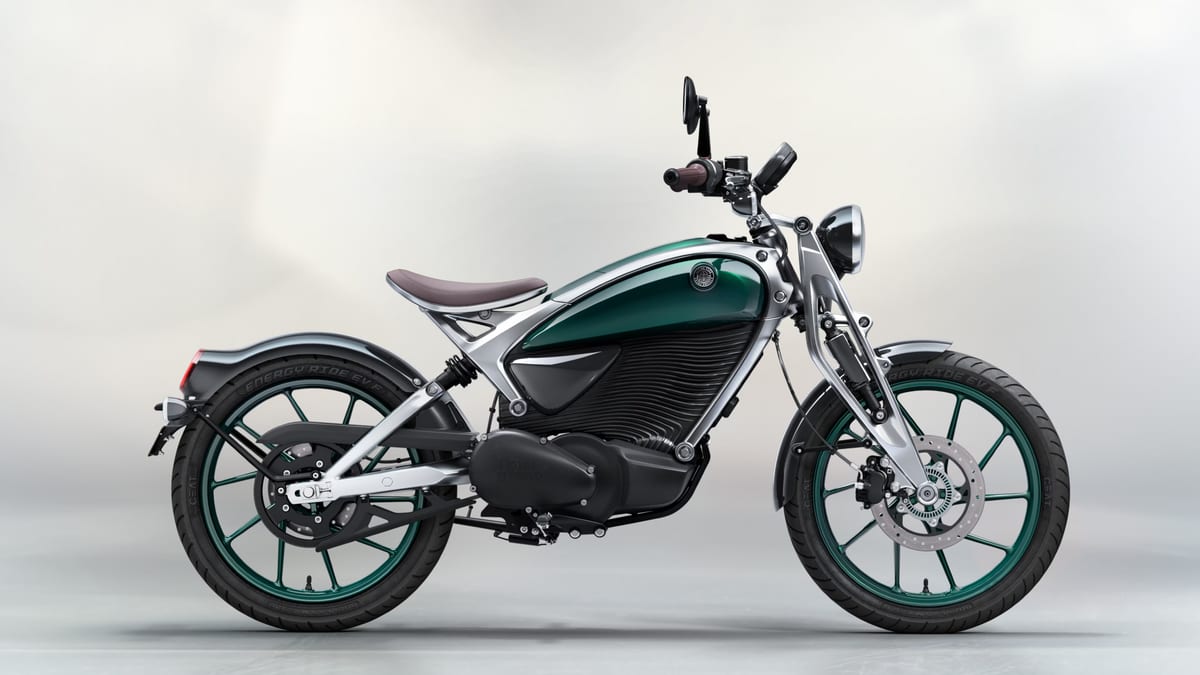 The C6 combines a classic silhouette with a new electric platform and urban-friendly performance.
What makes the Flying Flea C6 different?
The C6 does not look like a generic electric commuter. Royal Enfield’s Flying Flea sub-brand has given it a very deliberate retro-modern identity. Official highlights include a belt drive, a forged aluminium girder fork, a magnesium finned battery casing, 5 ride modes, configurable regen and traction settings, lean-angle-sensitive ABS, integrated connected features, an optional removable pillion, and an onboard charger.
This is important because most electric motorcycles still sell primarily on range or low running cost. The C6 is trying to offer something more emotional: heritage styling, a premium feel, and a distinct character that still looks like a proper Royal Enfield product.
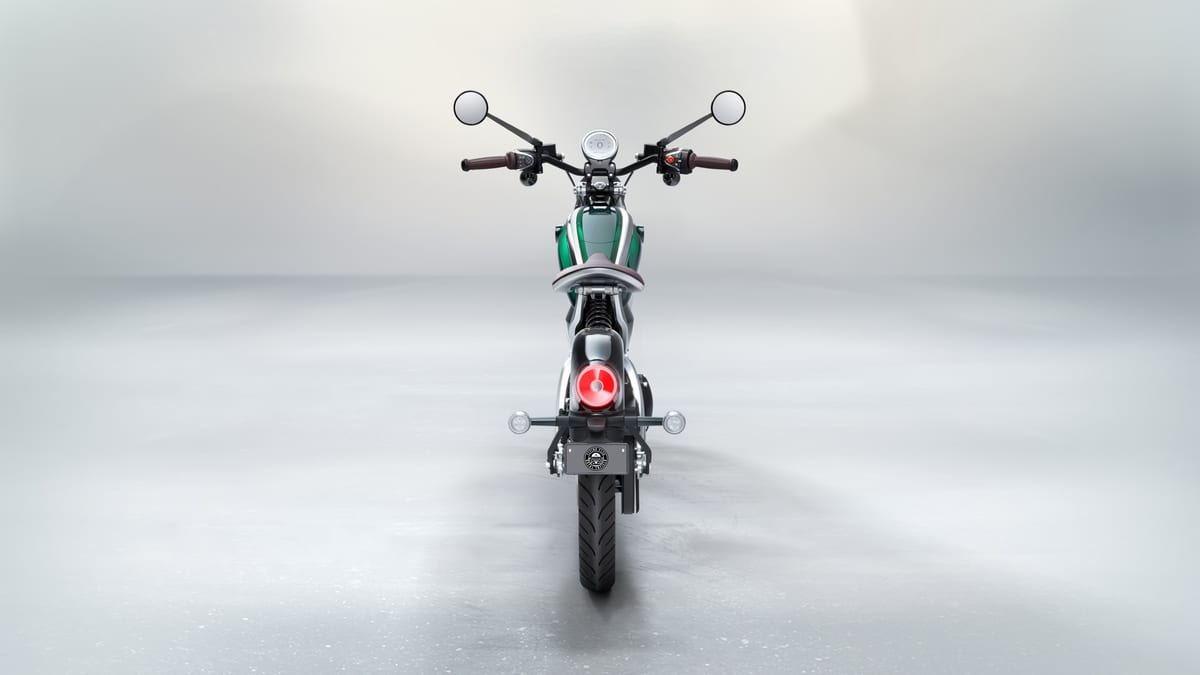 Premium hardware and connected technology are among the key highlights of the Flying Flea C6.
Why the low weight matters
At 124 kg, the Flying Flea C6 changes the usual expectation around a Royal Enfield. It also gets an 823 mm seat height and 207 mm ground clearance, plus 19-inch wheels and narrow tyres at both ends. That combination suggests the bike should be easy to handle in traffic, parking spaces and low-speed city use. For shorter riders and first-time premium-bike buyers, this could be one of the C6’s biggest real-world advantages.
Expert review and early ride impression
What early expert feedback says:
- car&bike says the C6 feels nimble and agile, with smooth power delivery.
- The same review says it is easy to manoeuvre in public-road conditions.
- Main drawbacks noted were a firmer suspension setup and a hard-feeling seat for longer use.
That is actually a useful early assessment. It suggests Royal Enfield has achieved the urban agility target, but final comfort and overall practicality will depend on how the bike performs in longer-term Indian riding conditions after launch.
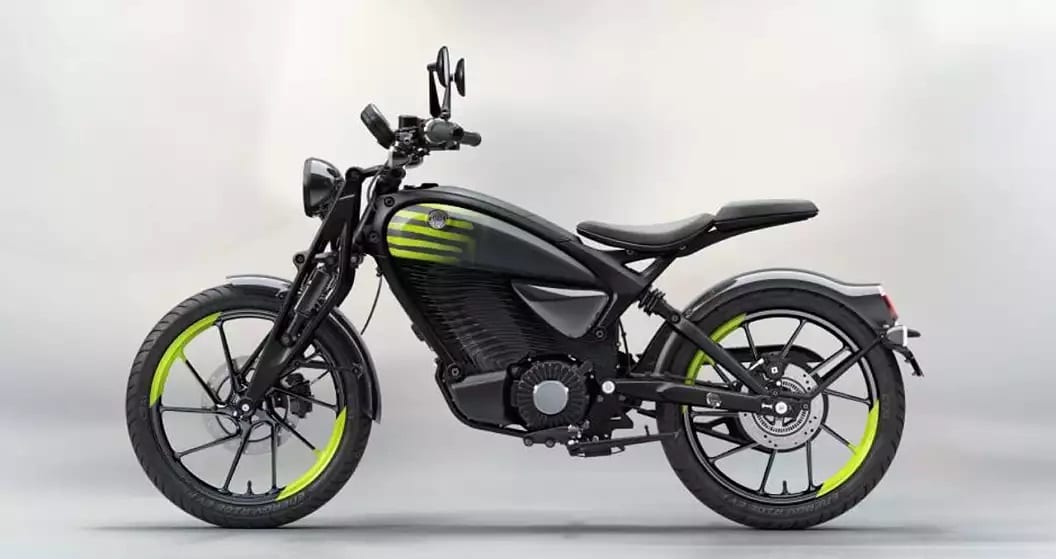 Early reviews suggest the Flying Flea C6 feels agile, quick and well suited to city riding.
Why this launch matters for Royal Enfield
The Flying Flea C6 is not just another new motorcycle. It is the start of Royal Enfield’s electric journey under the Flying Flea sub-brand. Official FAQs also confirm that the C6 will be followed by the S6 scrambler, which means this is the first step in a broader electric strategy, not a one-off experiment.
FuelPrice verdict: the Flying Flea C6 already looks like one of the most interesting electric two-wheeler launches in India. It combines very low weight, premium design, strong tech and credible city performance. Pricing on 10 April will decide how competitive it really is, but on paper, Royal Enfield has made a serious and unusually thoughtful EV debut.