Insurers have asked the Insurance Regulatory and Development Authority of India (IRDAI) for a gradual transition to proposed motor-insurance commission caps, while the regulator has defended the wider distribution overhaul as a way to cut inefficiencies. For Indian car and two-wheeler owners, the key point is that the proposal is not a notified premium change: existing policies and current renewal terms remain governed by the policy and rules in force.
Key takeaways
- The commission changes are proposals under consultation, not a final motor-insurance rule.
- For specified new vehicles, the draft proposes 0% commission for distribution entities on third-party cover and 2.5% for agents and associates.
- For new-vehicle own-damage, personal-accident and legal-liability covers, the proposed limits are 5% for intermediaries and 10% for agents and associates.
- Insurers have reportedly asked for a glide path and differentiated expense limits instead of an abrupt transition.
- A lower commission ceiling does not automatically mean an immediate reduction in a car or bike premium.
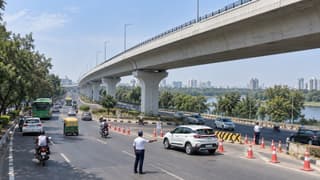
 AI-generated editorial illustration by FuelPrice; it depicts a policy consultation, not an official meeting or insurer photograph.
What happened in the latest development
Business Standard reported on 28 Sep 2026 that IRDAI Chairman Ajay Seth had held an informal meeting in Mumbai with senior executives from life, general and health insurers. The industry’s reported request was for a gradual reduction in commissions, different expense-of-management (EoM) treatment for insurers of different sizes and a review of some group-credit-life provisions. That is a stakeholder position, not a decision by the regulator.
A separate 29 Sep 2026 report by the insurance trade publication (Re)in Asia described the industry response as pushback while reporting that Seth defended the reform’s objective. The two developments point to a consultation process that is still open: the regulator is explaining its rationale, while insurers are asking for transition arrangements that recognise distribution and servicing costs.
FuelPrice’s earlier IRDAI motor-insurance reform update covered the draft’s possible timing and stressed that it was not yet a notified rule. The new development is the reported discussion about how any final framework could be introduced.
What IRDAI is proposing for motor insurance
IRDAI’s two-part consultation paper, released on 23 Sep 2026, proposes bringing back product- and channel-specific commission limits alongside tighter EoM controls. Business Standard’s coverage of the paper and a legal analysis of the consultation document report the following motor-insurance grid for specified new-vehicle business:
| Cover | Distribution entities | Agents and associates |
|---|---|---|
| Third-party cover | Nil | 2.5% |
| Own damage, personal accident and legal liability | 5% | 10% |
These are proposed maximum commission limits, not discounts on the premium paid by a customer. The same consultation also proposes reducing the EoM limit for general insurers from 30% of gross written premium to 20% of domestic gross direct premium income over five years. That is an insurer-level cost framework; it is not a direct formula for calculating an individual’s renewal price.
What it means for car and bike owners
No automatic premium cut
Lower distribution costs could create room for more competitive pricing or better service, but the pass-through is not guaranteed or one-for-one. Financial Express reported on 28 Sep 2026 that pricing also depends on claims experience, reinsurance, product benefits, inflation, investment income and competition. Its expert comments said any customer benefit would vary by product, insurer and channel. IRDAI Chairman Seth told Moneycontrol that the reform aims to improve policyholder value, but that objective is different from announcing a fixed premium reduction.
For a driver or rider renewing a policy today, the practical comparison remains the cover and the total quote. A quote can be read line by line for third-party liability, own damage, personal accident, legal liability, add-ons, taxes and the policy period. The proposed commission grid does not remove the legal requirement for valid third-party insurance on vehicles used on public roads. IRDAI’s motor-insurance guidance continues to describe third-party cover as mandatory.
New-vehicle bundles may be presented differently
If the draft is amended and later notified, new-car and new-bike buyers could see more explicit separation between mandatory third-party cover and optional own-damage or add-on products. That could make comparisons easier, but it could also change how dealers, brokers, banks and digital distributors present a quote. The final wording will matter more than the consultation figures alone.
For background on what the covers do, FuelPrice’s third-party versus comprehensive car-insurance guide explains the distinction. Owners reviewing an older vehicle can also use the third-party versus comprehensive renewal explainer to separate mandatory liability from optional protection; neither guide changes the status of the IRDAI proposal.
What changes now and what to watch
Nothing in the 23 Sep consultation paper, the reported insurer meeting or the chairman’s interviews changes an existing policy contract or creates a new premium schedule. Public comments on the consultation are due by 25 Oct 2026. IRDAI must consider feedback, settle the final commission and EoM framework, publish any notification and state when it takes effect before the proposal can change the way policies are sold.
The main checkpoints for vehicle owners are therefore the final commission table, any transition rule for existing distribution arrangements, the treatment of renewals and legacy policies, and the wording used to disclose commissions or other remuneration. Until those are confirmed, a headline about commission cuts should not be read as a promise of cheaper insurance.
Reader takeaway
The latest story is about implementation friction, not an immediate change to what Indian drivers and riders must pay. Insurers want time and differentiated treatment; IRDAI says it is trying to reduce distribution inefficiency and improve policyholder value. For now, the useful step is to distinguish a consultation proposal from a notified rule and to compare the actual cover, exclusions, service terms and total premium shown on a current quote.
Sources
- Insurance Regulatory and Development Authority of India — “Recalibrating Economics of Insurance Distribution” public consultation portal — 23 Sep 2026
- Business Standard — “Insurers seek softer landing on Irdai commission cuts in meet with chief” — 28 Sep 2026
- Business Standard — “Irdai proposes tighter expense limits, new commission caps for insurers” — 23 Sep 2026
- Financial Express — “IRDAI plans to cut insurer costs: What changes for commissions, premiums & policyholders?” — 28 Sep 2026
- Moneycontrol — “IRDAI’s proposed reforms will push adoption, make insurance buying more consumer-friendly, says chairman Ajay Seth” — 27 Sep 2026
- (Re)in Asia — “IRDAI’s Ajay Seth defends distribution reforms amid concerns over EoM, commission caps” — 29 Sep 2026
- IRDAI — “Motor Insurance” policyholder guidance — accessed 29 Sep 2026
This article is for general information only and is not financial, insurance or legal advice.