
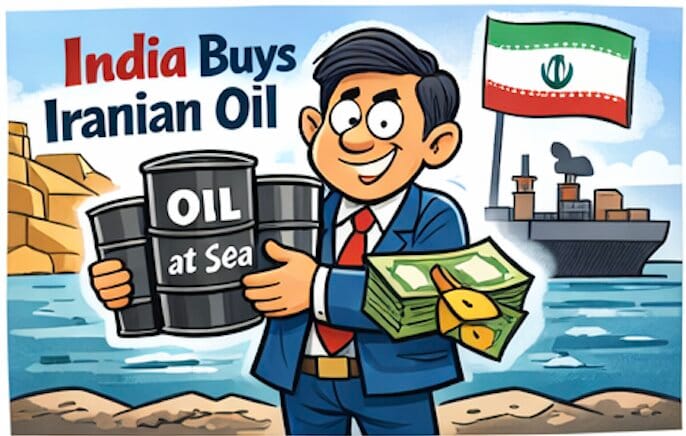
Reliance Buys Iranian Crude After U.S. Waiver, India Steps Back Into the Market
Reliance has bought 5 million barrels of Iranian oil after Washington's temporary waiver, marking India's first such purchase since 2019.
Recent fuel, transport and policy updates, in a clear and scan-friendly format.
Reliance has bought 5 million barrels of Iranian oil after Washington's temporary waiver, marking India's first such purchase since 2019.
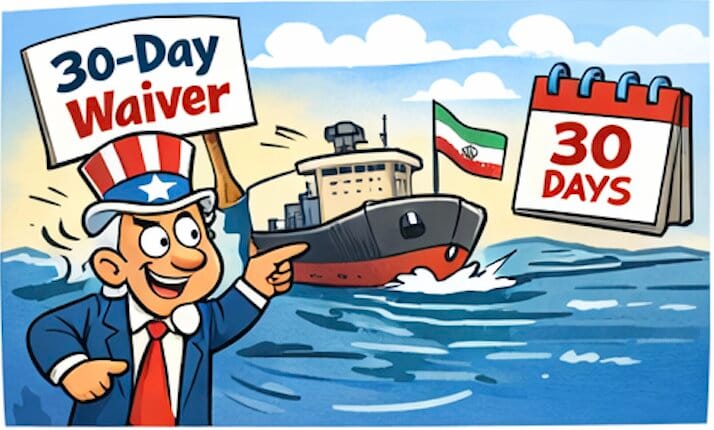
Washington has temporarily eased sanctions for certain Iranian oil already at sea, a tactical move designed to put a lid on runaway crude prices.
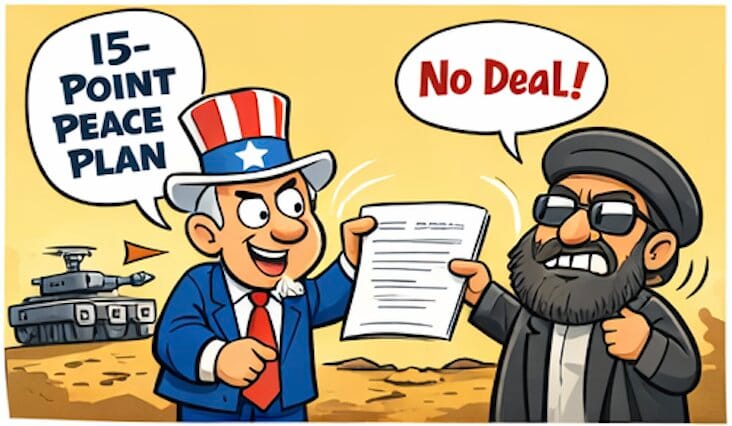
Washington has put forward a detailed ceasefire proposal, but Tehran has dismissed the idea of negotiating directly while the conflict continues.

Tehran told the U.N. that non-hostile vessels can transit the Strait of Hormuz, yet the message still leaves a giant cloud over global shipping and oil prices.
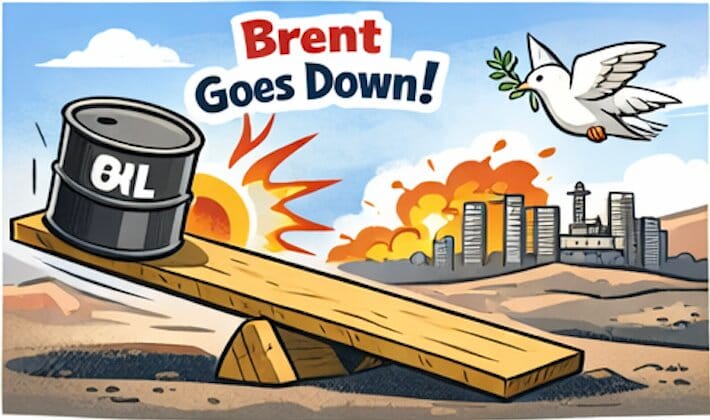
Brent crude pulled back sharply as traders reacted to fresh ceasefire talk, but the market still looks one ugly headline away from another spike.
The Middle East conflict is no longer just a global headline. It is feeding into India’s crude risk, rupee weakness and market stress, raising the pressure on fuel-sensitive sectors.
Brent crude eased on fresh ceasefire hopes, but the Strait of Hormuz remains the big danger point. For India, that means petrol and diesel risk may cool a little, not disappear.

Ontario is permanently cutting gas and fuel taxes and removing tolls from Highway 407 East in a move aimed at easing pressure from the rising cost of living and U.S. tariffs. The 2025 Ontario Budget promises relief for families and businesses with long-term cost-saving transportation and tax policies

SJVN Green Energy has commenced commercial operations of 78.23 MW capacity at its Bikaner solar power project. This is part of the larger 1000 MW project, with full commissioning expected by Q3 2025. The project will supply solar power to Rajasthan, Jammu & Kashmir, and Uttarakhand, contributing to India's renewable energy goals.

“There is no need for pain buying. Fuel and LPG is readily available at all outlets,” said the country’s largest auto fuel and LPG marketer

Kolkata experienced a slight increase in petrol and diesel prices due to an adjustment in the basic fuel price by oil marketing companies, raising petrol to Rs 105.41 and diesel to Rs 92.02 per litre. While Kolkata saw a hike, Patna witnessed a decrease in diesel prices, and other eastern states remained stable amidst concerns about consumer inflation.

Civil Aviation Minister K Rammohan Naidu addressed flight disruptions caused by recent airport closures due to the India-Pakistan conflict, urging airlines to acknowledge the armed forces. Airlines raised concerns about Viability Gap Funding losses during closures and requested tax relief on Aviation Turbine Fuel. Enhanced security measures and airspace changes may affect flight schedules and processing times.

Preliminary data revealed a surge in petrol consumption by 10% in early May, driven by increased summer travel, reaching 1.5 million tonnes. Diesel sales saw a modest 2% rise, signaling recovery with 3.36 million tonnes consumed. LPG consumption also experienced robust growth, fueled by Ujjwala connections, while aviation fuel growth slowed due to flight restrictions.

Amid escalating tensions between India and Pakistan, Indian Oil Corporation Limited (IOCL) and Bharat Petroleum Corporation Limited (BPCL) have urged citizens to avoid panic buying of fuel and LPG. Assurances were given that stocks are ample and supply lines are fully functional, following India's 'Operation Sindoor' and Pakistan's retaliatory attempts to target Indian military installations, which were successfully intercepted.

Fuel-tech startup Nawgati raised $2.5 million in a pre-Series A round led by investor Ajay Upadhyaya. The company aims to expand its fleet solutions beyond Mahanagar Gas, scale globally, and enhance its Aaveg platform, which streamlines fuel station, fleet, and consumer operations.

The EU announced a plan to eliminate remaining gas imports from Russia by 2027, addressing Europe's reliance on Russian fossil fuels. EU energy chief Dan Jorgensen emphasized the initiative as a strong message to Russia, asserting that the EU will no longer allow energy to be used as a weapon against them.