NHAI has activated barrier-free Multi-Lane Free Flow (MLFF) toll collection at the Chennasamudram Toll Plaza on Tamil Nadu’s NH-48. The change lets vehicles pass the plaza without stopping at a booth, but it does not make the journey toll-free: drivers still need a functional FASTag with enough balance for the applicable user fee.
The rollout matters most to people using the Chennai–Bengaluru corridor through Ranipet district, as well as fleet and freight operators who pass the plaza regularly. The system was implemented on 21 Nov 2026, according to the Ministry of Road Transport and Highways’ PIB release and local reporting from Dinamalar.
What changed at Chennasamudram
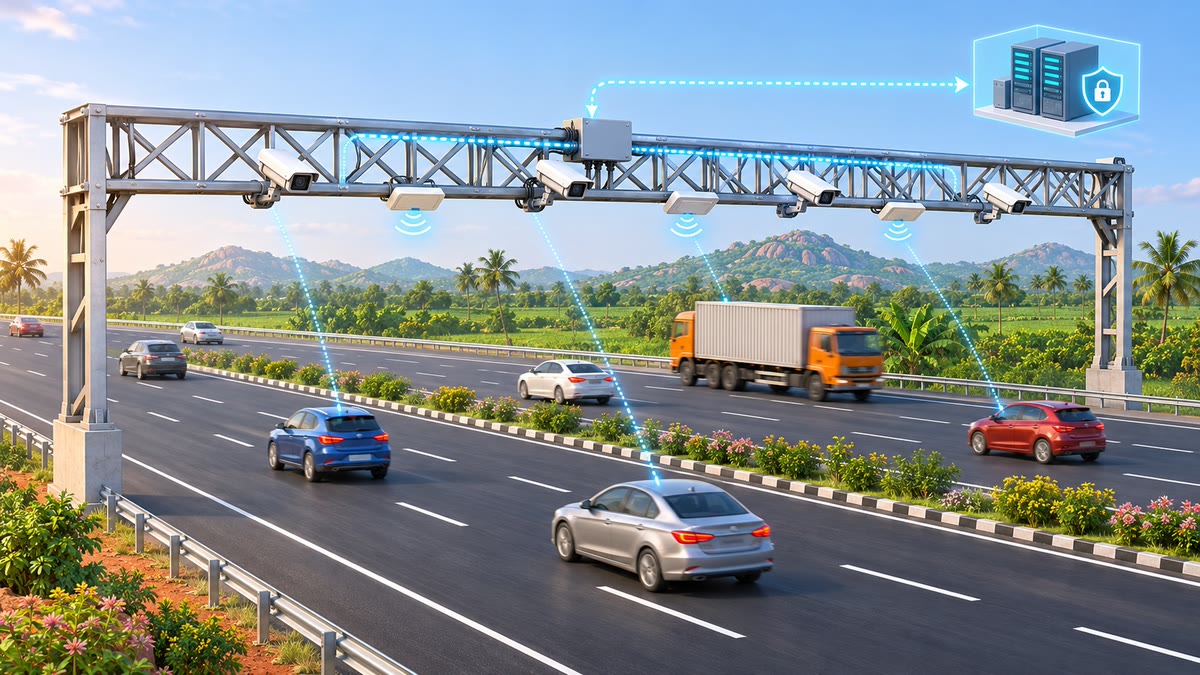
Chennasamudram is on the Karaipettai–Walajahpet section of NH-48, part of the Chennai–Bengaluru highway. Under MLFF, the traditional stop-and-pay sequence is replaced by an overhead gantry-based collection system. Cameras and FASTag-linked readers identify vehicles as they move through the tolling point, allowing the fee to be processed electronically.
NHAI describes the activation as part of a phased national rollout. This is a location-specific implementation, not an announcement of a new toll rate or a waiver. The practical difference for a driver is the absence of a conventional barrier at the point where the toll is collected; the obligation to pay the applicable user fee remains.
This new activation follows FuelPrice’s earlier explainer on NHAI’s MLFF and FASTag e-Notice rules, which covers the wider transition to barrier-free tolling.
How MLFF tolling works
MLFF combines Automatic Number Plate Recognition (ANPR) with FASTag or RFID-based electronic toll collection. The ANPR camera provides a vehicle-identity check while the tag reader connects the crossing to the FASTag account. The system is designed to keep traffic moving through multiple lanes instead of routing each vehicle to a booth.
That can reduce queueing and the stop–start fuel use associated with a busy plaza. NHAI says barrier-free tolling is intended to improve travel time, fuel efficiency and operational transparency. The actual benefit will vary with traffic, weather, lane discipline and whether the vehicle and FASTag are matched correctly in the tolling system.
FASTag checks before using the plaza
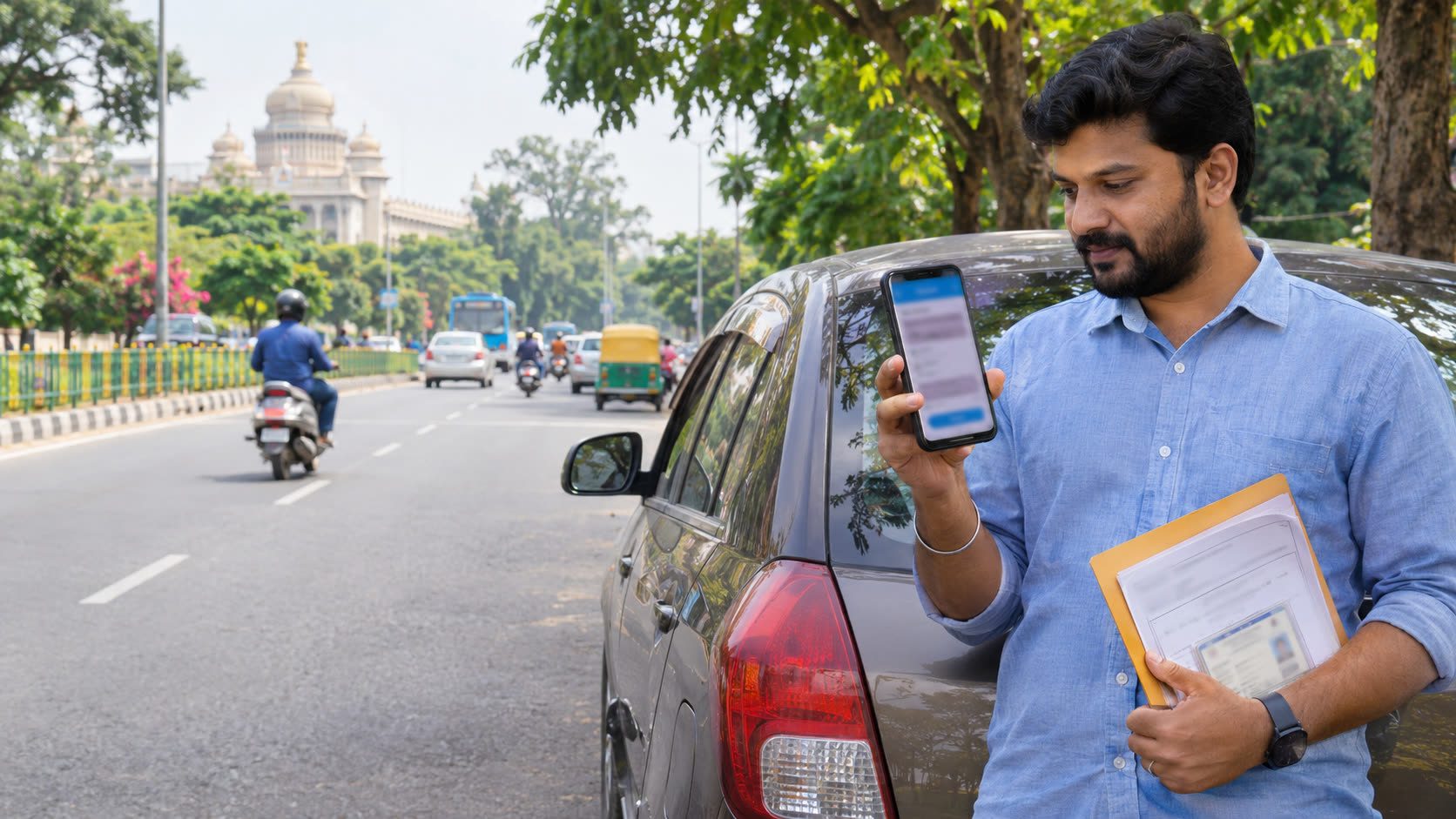
Drivers should check that the FASTag is active, correctly affixed to the windscreen and linked to the vehicle being used. A low balance, an inactive tag or a mismatch between the tag and vehicle can prevent automatic collection even though the vehicle has passed the gantry.
Before a long Chennai–Bengaluru trip, the FuelPrice road-trip planner can help organise the route and stops. For a separate estimate of the toll component, use the toll-charge calculator before departure, then compare it with the FASTag debit after the crossing.
Drivers should also avoid treating the absence of a boom barrier as permission to change lanes abruptly or increase speed. The gantry removes a collection stop; it does not remove posted speed limits, lane markings or ordinary highway-safety requirements.
What happens if the toll is not collected
NHAI’s official MLFF e-Notice portal says an e-Notice is generated to notify a road user about unpaid toll under the barrier-free system. It says the user fee should be paid within 72 hours to avoid paying two times the user fee, and that a grievance can be raised within the same 72-hour window.
The portal allows users to log in with the vehicle registration number and an OTP sent to the mobile number linked with VAHAN. It also provides a chassis-number option where the mobile number is not updated. Drivers should use the official portal rather than clicking an unverified payment link in a message, and should keep the payment receipt or grievance reference after completing the process.
For fleet operators, the change adds a reconciliation step: match the vehicle’s crossing time with the FASTag transaction and check for an e-Notice if the expected debit is missing. That record can help separate a genuine unpaid toll from a delayed or failed transaction.
What this means for travel on NH-48
Daily commuters can expect a more continuous passage at Chennasamudram when the system is functioning normally. Long-distance drivers and transporters may see fewer queue-related delays, although the time saved will depend on traffic outside the tolling point and on the accuracy of vehicle and FASTag detection.
The wider reader takeaway is simple: MLFF changes the way the toll is collected, not whether it is due. Keep the tag active and funded, drive through the marked lanes as directed, verify the debit after the trip and deal with any e-Notice within the stated window. Fuel users who are budgeting the full journey can also use the fuel cost calculator alongside the toll estimate.
What to watch next
The 21 Nov release confirms the Chennasamudram activation but does not announce a nationwide completion date. NHAI is implementing MLFF in phases, so the next useful updates for drivers will be the authority’s notices on additional live plazas, local lane arrangements and any changes to the e-Notice process.
Sources
- Ministry of Road Transport & Highways/NHAI — “NHAI Implements Multi-Lane Free Flow (MLFF) Tolling System at Chennasamudram Toll Plaza in Ranipet District” — 21 Nov 2026
- Dinamalar — “சென்னசமுத்திரம் சுங்கச்சாவடியில் தானியங்கி கட்டண முறை அமல்” — 21 Nov 2026
- NHAI/Parivahan — “NHAI Barrier-less Tolling - eNotice & Grievance Portal” — accessed 22 Nov 2026
- Indian Highways Management Company Ltd — “RFP for Selection of Acquirer Bank for FASTag-ANPR based Multi Lane Free Flow (MLFF) User Fee Collection at Nemili Fee Plaza, Chennasamudram Fee Plaza and Paranur Fee Plaza” — 6 Oct 2025