The National Highways Authority of India (NHAI) has clarified that SMS messages about vehicle-insurance renewal sent to some National Highway users are part of a proposed awareness initiative, not toll-plaza enforcement. The clarification matters because the messages are linked to a toll crossing and an insurance expiry date, which can make a reminder look like an automatic challan.
The alerts are still being tested and are not a nationwide penalty system. NHAI says there is no provision for issuing challans or imposing penalties at toll plazas because of these messages. Vehicle owners who receive one can use it as a prompt to check their policy details, including the dates covered by their car insurance policy, but the alert itself is not a demand for payment.
Key takeaways
- NHAI says the insurance-renewal SMS is informational and advisory.
- The messages are not linked to a challan or penalty at the toll plaza.
- Reports place the pilot at the Mundka toll plaza on Delhi's Urban Extension Road-II (UER-II).
- The trial checks vehicle and insurance records for select highway users; a nationwide rollout date has not been announced.
What NHAI has clarified
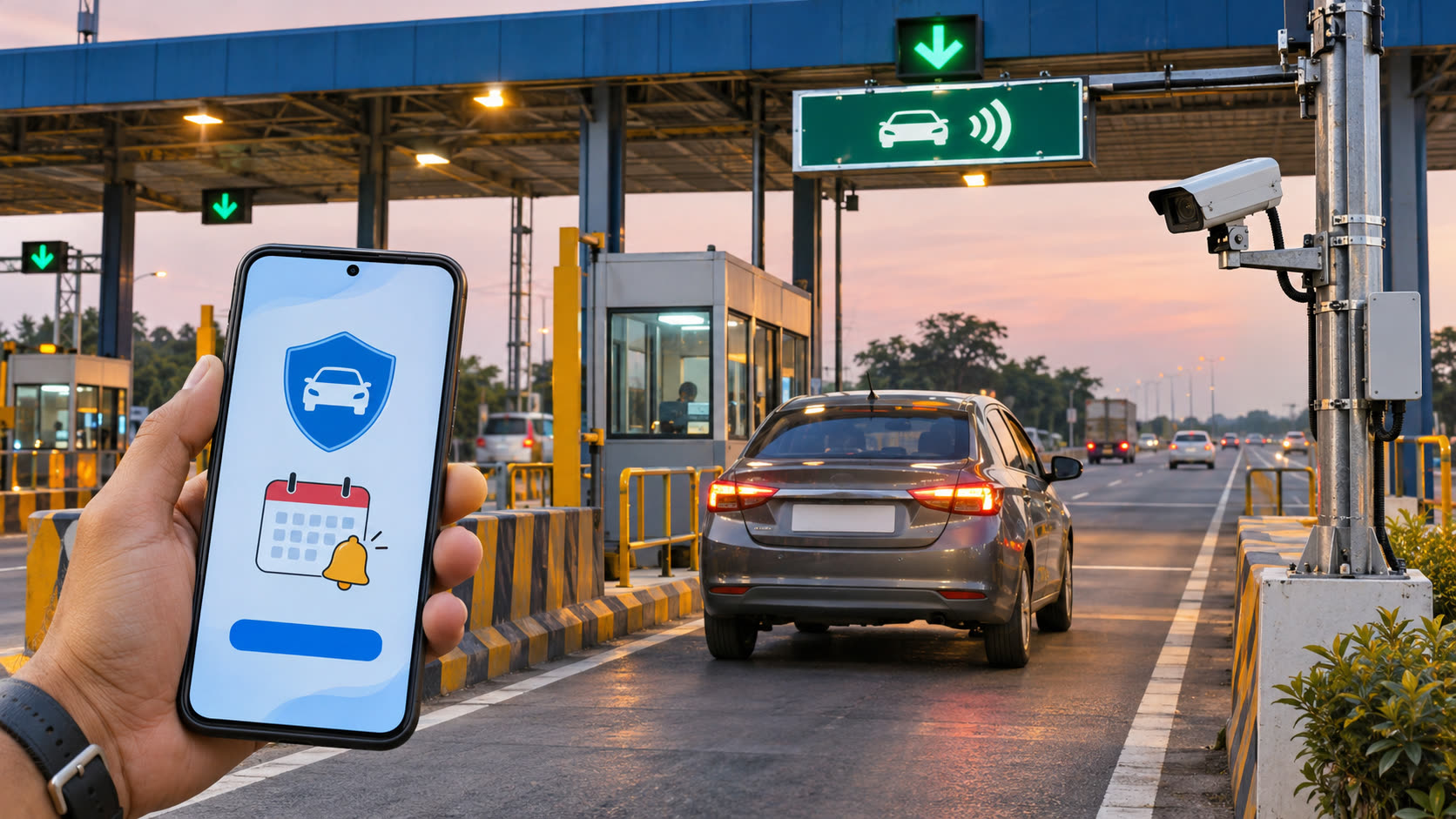
In its 19 November 2026 clarification, NHAI said the messages received by select National Highway users are part of an ongoing testing process for a proposed public-awareness initiative. The stated purpose is to alert owners to an upcoming motor-insurance expiry so they have time to maintain continuous cover.
Most importantly, the authority said the initiative is purely informational and advisory. It also said the SMS system is not linked to enforcement or punitive action at toll plazas. That means a driver should not read the message as proof that a fine has already been issued, that a FASTag amount has been debited, or that the next toll crossing will automatically generate a challan.
How the pilot is reported to work
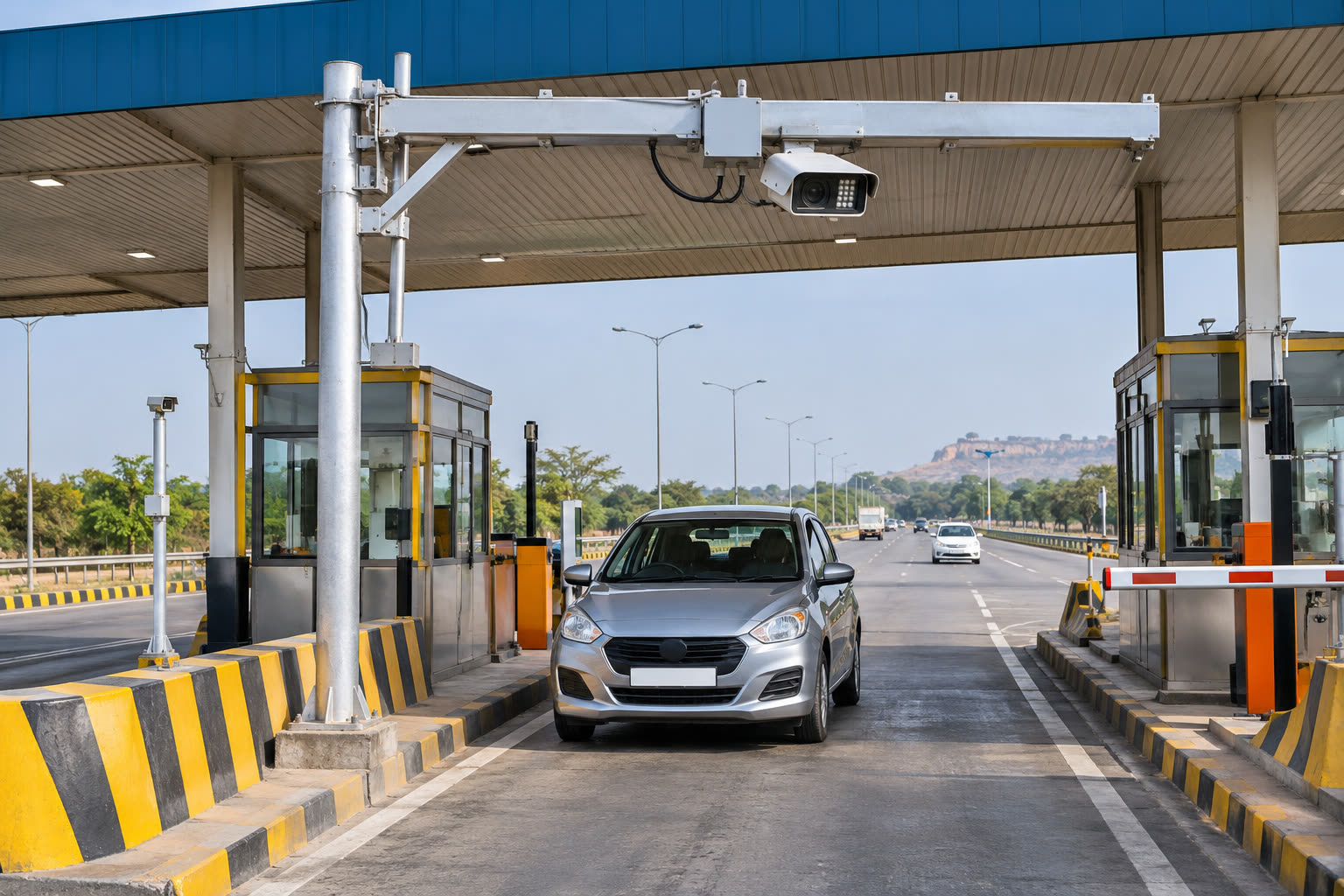
Reports by NDTV and The Times of India described a pilot at the Mundka toll plaza on Delhi's UER-II. When a vehicle passes the plaza, its registration details are matched with insurance records held in the VAHAN database, which is maintained by the National Informatics Centre.
If the record indicates that the policy has expired or the vehicle is uninsured, the registered owner may receive a message showing details such as the registration number, the toll crossing time and the insurance expiry date. The reported purpose is to nudge owners to renew before the policy lapses. NHAI has not said that every vehicle using every National Highway is covered by the trial.
A reminder is different from enforcement
The distinction is important. A message can identify a possible insurance-record issue without itself being a legal notice or a toll charge. NHAI's clarification also means that the pilot should not be described as a system that fines uninsured vehicles at toll plazas. Any separate action under motor-vehicle law would have to follow the applicable legal and enforcement process.
What remains unchanged for vehicle owners
The Motor Vehicles Act still requires a valid third-party insurance policy for a motor vehicle used in a public place. The NHAI message does not create that requirement, remove it or replace the policy document. It only connects a possible expiry reminder with a highway transaction during the pilot.
Owners can check the registration number and expiry date shown in a message against their policy schedule and the insurer's official records. If the details do not match, the discrepancy should be raised through the insurer or the relevant official vehicle-record channel rather than by replying to an unknown number or following an unverified payment link.
For a longer journey, insurance is one part of the paperwork drivers may need to keep current. The road-trip document checklist also covers the registration certificate, Pollution Under Control certificate and FASTag details.
How this differs from other toll checks
FuelPrice has also reported a Gujarat proposal to check private vehicles' PUC, insurance and registration documents through toll-plaza technology. That state-specific development should not be merged with this NHAI clarification: the present message pilot is described by NHAI as an advisory test, while the Gujarat coverage concerns a separate state-level e-detection arrangement. Readers can compare the two developments in the earlier Gujarat toll e-detection report.
What to watch next
NHAI has not announced a national rollout date, the number of users covered or a final operating rule for the proposed initiative. The next useful update would be an official explanation of how insurance data is refreshed, how owners can correct a mismatch and whether the test will expand beyond the current locations.
Until then, the practical reading is narrow: treat the SMS as an insurance-renewal reminder, not a toll-plaza fine. The legal obligation to maintain valid third-party cover remains separate from the pilot, and the current NHAI clarification does not announce any automatic penalty at the toll point.
Sources
- Press Information Bureau — NHAI clarifies vehicle-insurance renewal SMS alerts are part of an awareness initiative; no challans or penalties at toll plazas — 19 Nov 2026
- NDTV — Getting insurance renewal messages at toll plazas? This is what it means — 19 Nov 2026
- The Times of India — NHAI begins Delhi pilot to alert owners of expired vehicle-insurance policies — 17 Nov 2026
- India Code — The Motor Vehicles Act, 1988, including Section 146 on third-party insurance — 14 Oct 1988
This article is for general information only and is not financial, insurance or legal advice.