Pakistan’s military announced on 29 November 2026 that it is deploying army troops to Saudi Arabia to strengthen the kingdom’s defences amid emerging security concerns. The move is new under a trilateral pact and matters to global fuel users because attacks on Saudi energy infrastructure and shipping routes can disrupt crude and refined-product flows before physical shortages appear.
Key takeaways
- Pakistan has not disclosed the size of the contingent, its specific assignments, arrival date or mission duration.
- The announcement followed a 27 November meeting of Pakistan, Saudi Arabia and Türkiye under the Makkah Alliance for Defence.
- The security risk is global because Gulf oil and gas routes feed major markets in Asia, Europe and elsewhere.
- The deployment does not automatically change pump prices; the near-term market effect is more likely to run through risk premiums, freight and insurance costs.
What Pakistan announced
Pakistan’s army said the troops would work inside Saudi territory under existing defence-cooperation arrangements. Reuters reported that the deployment followed a send-off ceremony on 28 November, while the Associated Press said the public announcement did not specify the number of soldiers, their duties, when they would arrive or how long they would remain.
That lack of detail matters. The announcement confirms a military commitment, but it does not establish whether the contingent will focus on air defence, border security, protection of energy infrastructure or another assignment. It also does not indicate that Pakistani troops will operate in Yemen. The public wording instead limits the stated mission to Saudi territory.
How the defence pact connects
The deployment came two days after the second meeting of the Strategic Political and Defence Committee of the Makkah Alliance for Defence in Islamabad. In its 27 November joint statement, Pakistan’s Foreign Ministry said the three countries reviewed regional security, reaffirmed collective-defence commitments and condemned Houthi attacks on civilians and civilian infrastructure in Saudi Arabia.
Pakistan, Saudi Arabia and Türkiye signed the Makkah Joint Defence Agreement on 7 August 2026. The agreement treats an armed attack on one member as an attack on all three, according to the governments’ published account and reporting by AP and Reuters. The latest troop movement is therefore a practical development around an existing framework, not a newly announced oil-market measure.
Why oil markets are watching
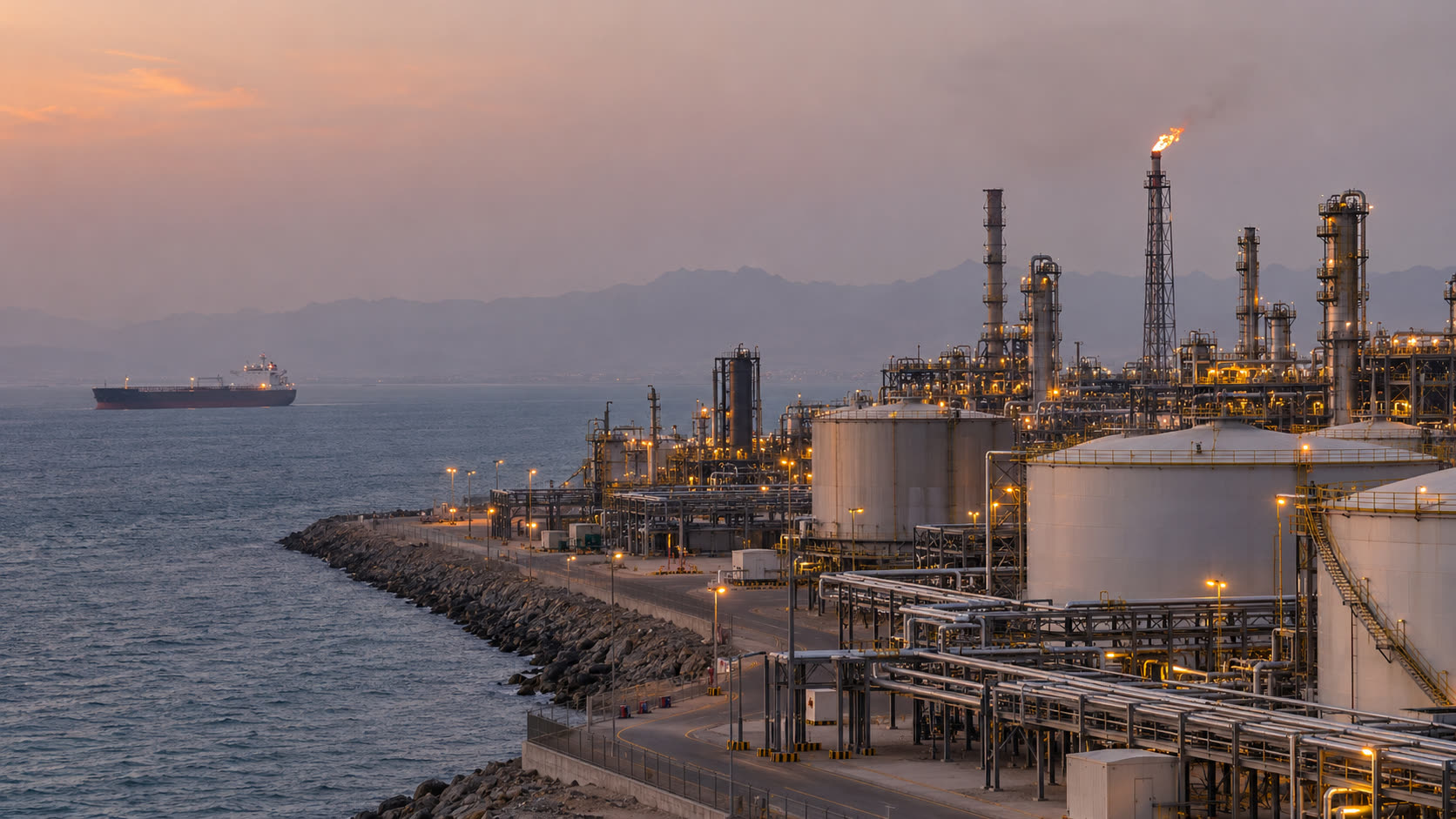
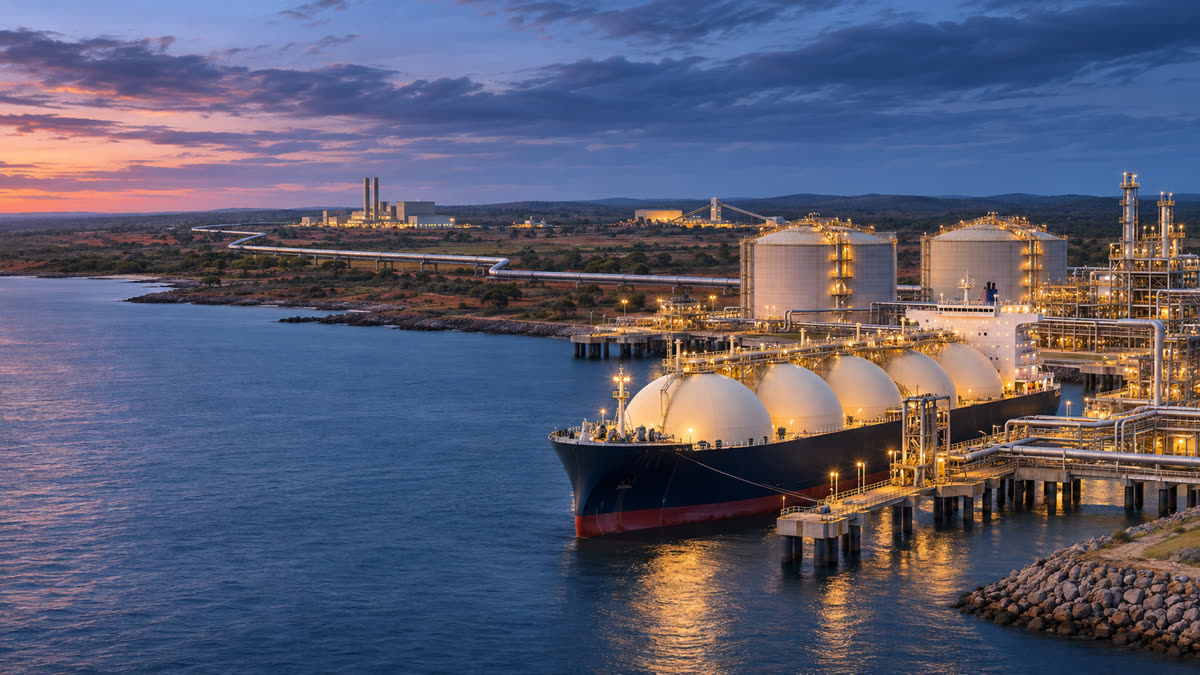
Saudi Arabia is central to the energy-security picture even when a specific incident occurs outside the oil fields. The International Energy Agency says an average of about 20 million barrels per day of crude oil and oil products moved through the Strait of Hormuz in 2025, equal to around 25% of global seaborne oil trade. The figures are a 2025 baseline, not a forecast for current flows, but they show why a security event around Gulf routes can affect buyers far beyond the Middle East.
The IEA also estimates that only about 3.5 to 5.5 million barrels per day of crude-export capacity can potentially be redirected around the Strait through Saudi and UAE pipelines. That is a limited release valve compared with total Hormuz traffic, and alternative routes still depend on ports, shipping availability and security conditions. Saudi Arabia’s Red Sea corridor is particularly important because it can help bypass the Strait, but it is also exposed to the wider regional security picture.
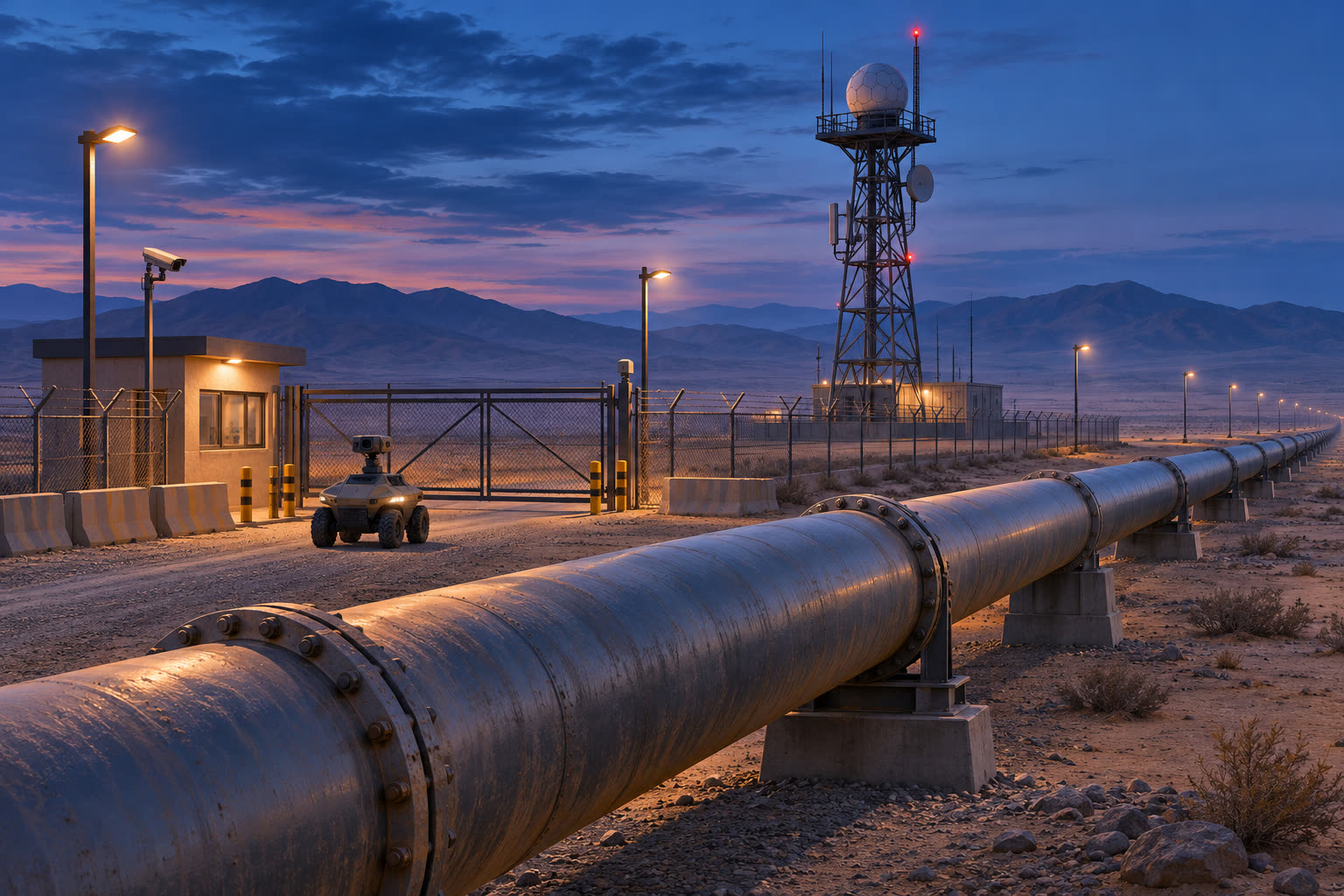
The Associated Press reported that Houthi attacks and the temporary closure of a key Saudi pipeline had already narrowed the kingdom’s export flexibility. If attacks threaten energy facilities, ports or tanker routes, traders may add a security premium to crude and refined products. If the deployment helps reduce the perceived probability of further disruption, that premium could ease; neither outcome is automatic.
What it could mean for drivers and transport operators
Pump prices may not move immediately
Crude headlines do not translate one-for-one into retail fuel prices. Local pump prices also reflect refined-product supply, inventories, taxes, exchange rates, transport costs and the timing of retail price changes. A security deployment can change market expectations without creating an immediate shortage at a filling station.
Drivers who want to separate a global headline from the price they will actually pay can check current listings through the FuelPrice fuel-prices hub.
For a planned journey, the fuel-cost calculator is a more useful way to test how a local price change affects a trip budget than applying a crude-market percentage directly.
Shipping and freight costs are the quicker channel
For fleet operators, refiners and importers, the first effect may be higher marine insurance, longer routing decisions or tighter availability of particular fuel grades. Those costs can feed into diesel, jet fuel and gasoline markets even when crude production is unchanged. They can also raise the cost of moving other goods, because tankers, container ships and bulk carriers share the same risk environment.
What to watch next
- Whether Pakistan or Saudi Arabia publishes the contingent’s size, mission and duration.
- Whether attacks affect oil terminals, pipelines, ports or commercial shipping rather than remaining a security warning.
- Whether Saudi export flows continue through Gulf routes, the Red Sea corridor or a combination of both.
- Whether crude benchmarks, refined-product spreads and marine insurance rates show a sustained response rather than a short-lived headline move.
Reader takeaway
Pakistan’s deployment raises the security stakes around Saudi Arabia, but it is not itself a change to oil production or a guarantee of higher fuel prices. The practical signal for global fuel users will be whether energy infrastructure and shipping lanes remain available. Until that becomes clearer, local pump prices and trip costs should be checked directly rather than inferred from the troop announcement alone.
Sources
- Associated Press: Pakistan will send troops to Saudi Arabia to defend against Houthi attacks (29 Nov 2026)
- Reuters: Pakistan deploys troops in Saudi Arabia, army says (29 Nov 2026)
- Pakistan Ministry of Foreign Affairs: Second Meeting of the Strategic Political and Defence Committee of the Makkah Alliance for Defence — Joint Statement (27 Nov 2026)
- Saudi Press Agency: Defence Minister leads Saudi delegation to second Makkah Alliance meeting (28 Nov 2026)
- International Energy Agency: Strait of Hormuz — Oil and LNG Trade Facts (updated Feb 2026)
- Arab News: Pakistan deploys troops to Saudi Arabia amid heightened regional security concerns (29 Nov 2026)
This article is for general information only and is not financial, insurance or legal advice.