Petroleum and Natural Gas Minister Hardeep Singh Puri said on 24 Sep 2026 that disruption on oil supply routes and energy chokepoints, rather than a shortage of crude itself, is the bigger risk as West Asia tensions continue. The warning matters to Indian drivers and transport operators because a shipping or route shock can pressure the delivered cost of fuel even when retail petrol and diesel rates do not change immediately.
The remarks were reported by The Financial Express on 25 Sep 2026 and by Moneycontrol on 24 Sep 2026 after Puri spoke at the Public Affairs Forum of India’s annual conclave in New Delhi. They are a risk assessment, not an announcement of a new petrol or diesel price, tax change or supply restriction.
Key takeaways
- Puri’s reported warning focuses on supply routes and chokepoints, not a lack of crude in the global market.
- The two reports put global crude availability at about 102 million barrels per day against demand of 94–95 million barrels per day, as stated in the minister’s remarks.
- India has buffers through wider crude sourcing and large refining capacity, but those buffers do not guarantee immunity from a prolonged route disruption.
- For drivers, the practical next step is to track dated retail prices and fuel costs rather than treat a geopolitical warning as a confirmed pump-price hike.
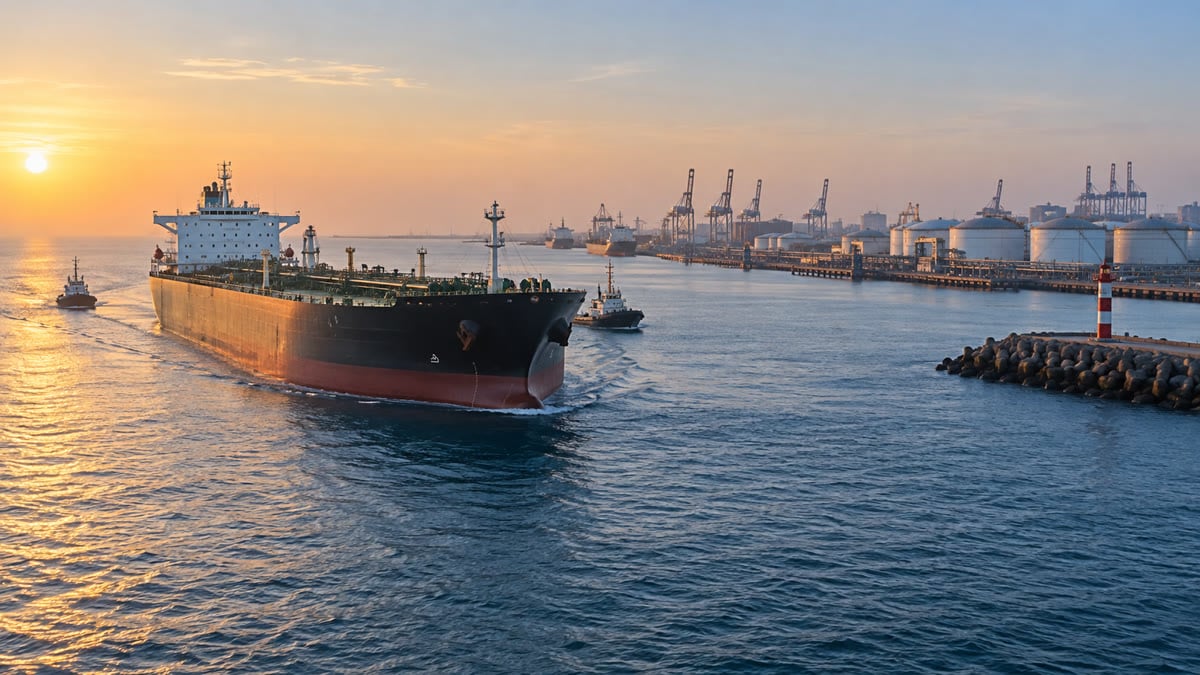
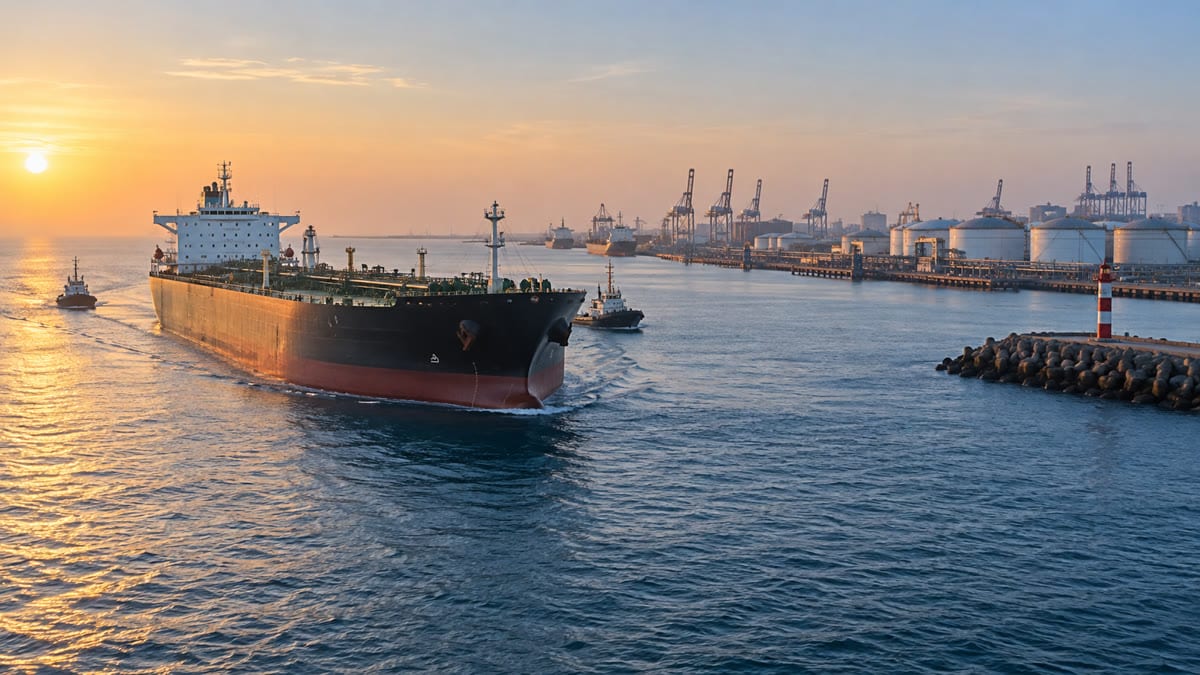 Representative fuel-shipping scene generated for FuelPrice; it is not a photograph of a specific incident or facility.
What Puri said about the oil-supply risk
According to both The Financial Express and Moneycontrol, Puri said the immediate problem is the movement of crude and petroleum products through vulnerable routes, rather than the world running out of crude. He also cautioned that the wider crisis is not over and could become more serious if disruption spreads or lasts longer.
The reports cited global crude availability of roughly 102 million barrels per day against demand of 94–95 million barrels per day. That comparison is useful context, but it does not mean every refinery can buy, receive and process crude at the same cost. A route can be technically open and still become slower, more expensive or harder to insure.
Why a route shock can affect fuel users
Crude availability and the price paid at an Indian fuel station are different parts of the chain. Crude or finished fuel has to be purchased, shipped, insured, unloaded, refined or blended, moved through terminals and delivered to retail outlets. A disruption at any of those stages can raise freight, insurance or inventory costs before an oil company or the government decides whether and how to pass them through.
That is why the latest remarks should not be read as an automatic petrol or diesel hike. The reports do not announce a fresh retail-price revision. For the latest city and state rates, drivers should use a dated fuel prices check and note the date before comparing a bill, commute or trip budget.
For a private car, the effect of a future change depends on kilometres travelled, vehicle efficiency and the amount of fuel consumed. For a truck, bus or delivery fleet, the exposure is larger because fuel is a recurring operating input and a route change can add both kilometres and waiting time. A fleet manager can use the fuel cost calculator to test a route against current prices and consumption assumptions.
India’s buffers are meaningful, but not unlimited
Puri’s remarks, as reported by the two outlets, point to three buffers that have helped India manage recent volatility. The country’s crude-sourcing base has widened from 27 countries earlier to 41 countries, reducing reliance on a single supplier or corridor. The reports also put current refining capacity at about 267 million tonnes per annum, with capacity expected to reach about 290 million tonnes per annum within a year of the 24 Sep 2026 remarks.
India consumes nearly 5.6 million barrels of crude per day and exports about 1 million barrels per day of refined petroleum products, according to the reports. That refining footprint gives India flexibility to process different crude grades and trade refined products, but it does not remove exposure to shipping lanes, insurance premiums, foreign exchange or the cost of replacement cargoes.
LPG was identified as a more immediate logistics concern during the disruption because of flows linked to the Strait of Hormuz. The reports said domestic LPG production was raised to about 56,000 tonnes per day during that period. For petrol and diesel users, the wider lesson is that supply resilience can reduce the chance of a sudden shortage while still leaving prices sensitive to the duration and cost of disruption.
What drivers, fleets and buyers should watch now
Private motorists
There is no confirmed pump-price change in Puri’s remarks. Keep the date attached to any rate you use, especially when planning a long trip or comparing fuel bills. If a retail revision is announced later, the useful question will be how it changes the cost of a normal month or a planned journey, not whether crude headlines alone predict the exact pump rate.
Transporters and delivery fleets
Operators should watch diesel prices, freight surcharges, delivery lead times and route diversions together. A stable pump price can still coexist with higher logistics costs if vessels are rerouted or cargoes take longer to arrive. The road-trip planner can help compare a longer alternative route before a trip is dispatched, while the fleet’s own fuel records remain the source for its actual consumption.
Vehicle buyers and EV owners
The latest warning does not change a vehicle’s price, loan terms or charging policy. It does, however, reinforce why running-cost comparisons should use realistic distances, local energy prices and the vehicle’s actual use case. Petrol, diesel, CNG and electric choices respond differently to energy-market shocks, so a headline about crude should not be turned into a universal buying conclusion.
How this differs from the earlier diesel-export update
FuelPrice recently covered India’s stated intention to continue diesel exports despite possible US restrictions. This latest development is a related but different follow-up: the new emphasis is on the resilience of shipping routes and chokepoints, and on the possibility that the broader crisis could worsen. Readers can compare the two developments in our earlier India diesel exports and US-ban report.
What to watch next
The most useful signals are official retail-price updates, the Indian crude-basket data published by the Petroleum Planning and Analysis Cell, any change in excise or state fuel taxes, and confirmed notices from oil companies or transport authorities. Reports of a possible disruption should be separated from a confirmed change in supply, retail pricing or government policy.
The reader takeaway is simple: India currently has sourcing and refining buffers, but route risk can still raise the cost of moving energy. Use dated prices for immediate decisions, monitor official announcements for confirmed changes and treat the minister’s 24 Sep remarks as a warning about what could affect fuel costs next, not as a price order already in force.
Sources
- The Financial Express — Hardeep Singh Puri flags supply-route risk as West Asia oil crisis persists — 25 Sep, 2026
- Moneycontrol — Crisis is certainly not over, could get more serious: Hardeep Puri on oil supply disruptions — 24 Sep, 2026
- Petroleum Planning and Analysis Cell — Petroleum Prices and Under recoveries — updated 25 Sep, 2026
- Petroleum Planning and Analysis Cell — International Prices of Crude Oil (Indian Basket), Petrol and Diesel — updated 25 Sep, 2026