Tata Motors Passenger Vehicles reported a consolidated net loss of ₹5,531 crore for the quarter ended 30 Sep 2026, even as its India passenger-vehicle business delivered record quarterly revenue and strong electric-vehicle growth. For Indian car buyers, the result is a split picture: demand and EV volumes moved up, but exceptional charges and margin pressure pulled down the group-level outcome.
The results, announced on 13 Nov 2026, cover the second quarter of FY27. The consolidated figures include Tata’s India passenger-vehicle business and Jaguar Land Rover (JLR), so the headline loss should not be read as a direct loss on every car sold in India.
Key takeaways
- Consolidated Q2 FY27 revenue was ₹96,920 crore, up 34% year on year, while the reported loss after exceptional items was ₹5,531 crore.
- Tata’s India passenger-vehicle revenue reached ₹20,423 crore, up 50.9% year on year.
- Passenger-vehicle volumes grew 40% year on year, with quarterly sales crossing 2,00,000 units.
- EV volumes rose 90%; EVs and CNG together accounted for more than half of Tata PV’s Q2 sales mix.
Why the consolidated result showed a loss
The headline number was shaped by costs outside the normal showroom-sales story. Tata Motors’ exchange filing reported about ₹6,700 crore of exceptional items for Q2, mainly linked to employee-separation provisions and asset impairment. ET Auto separately reported the one-time charge at ₹6,738 crore. After those items and tax effects, the consolidated profit-and-loss statement moved into a ₹5,531-crore loss.
JLR’s performance also matters because it is part of the consolidated group. The filing said JLR continued to face market, model-mix and commodity pressures even though its operating result before exceptional items was positive. That explains why a strong India volume quarter and a weak consolidated bottom line can appear together.
For a reader considering a Tata car, this is a company-results update rather than a new vehicle-price, insurance or warranty rule. It does not by itself establish that a particular model will become cheaper, costlier or easier to service.
India passenger-vehicle business stayed strong
Tata’s domestic passenger-vehicle business recorded its highest-ever quarterly revenue at ₹20,423 crore, a 50.9% year-on-year increase. The company said volumes grew 40% year on year and quarterly sales crossed 2,00,000 units. Independent coverage from TOI Auto also reported more than 2,00,000 units in the quarter and confirmed the ₹20,423-crore revenue figure.
Growth did not remove all pressure from the India business. Tata PV reported a 4.0% EBITDA margin for Q2, down 180 basis points year on year, while EBIT margin was negative 0.3%. The company attributed the pressure to commodity and foreign-exchange costs and said it would use focused cost actions and calibrated pricing measures.
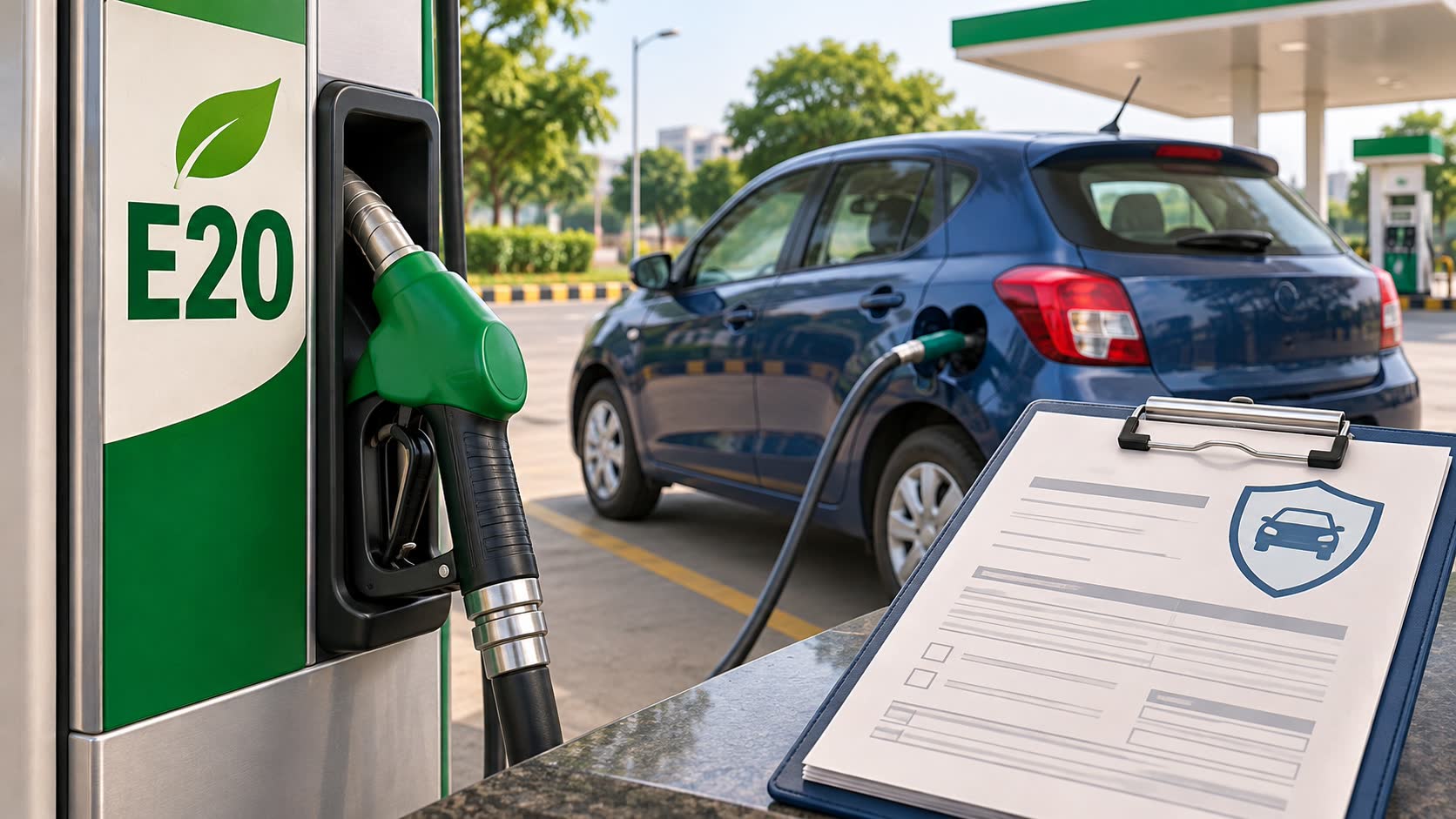
That distinction matters for buyers. Higher sales show that Tata’s portfolio is finding demand, but they do not tell a buyer the final on-road price, waiting period, insurance premium or monthly running cost of a specific variant. Those figures still need to be checked separately. For petrol and CNG comparisons, the fuel-cost calculator can help translate fuel price and monthly distance into an estimated running-cost figure.
EV and CNG now make up a large share
Electric-vehicle volumes increased 90% year on year in Q2 FY27. Tata’s filing put EV penetration at 23% of its passenger-vehicle sales and CNG penetration at 28%, taking alternative powertrains above the 50% mark. ET Auto and TOI Auto reported the same broad mix, including the 90% rise in EV volumes.
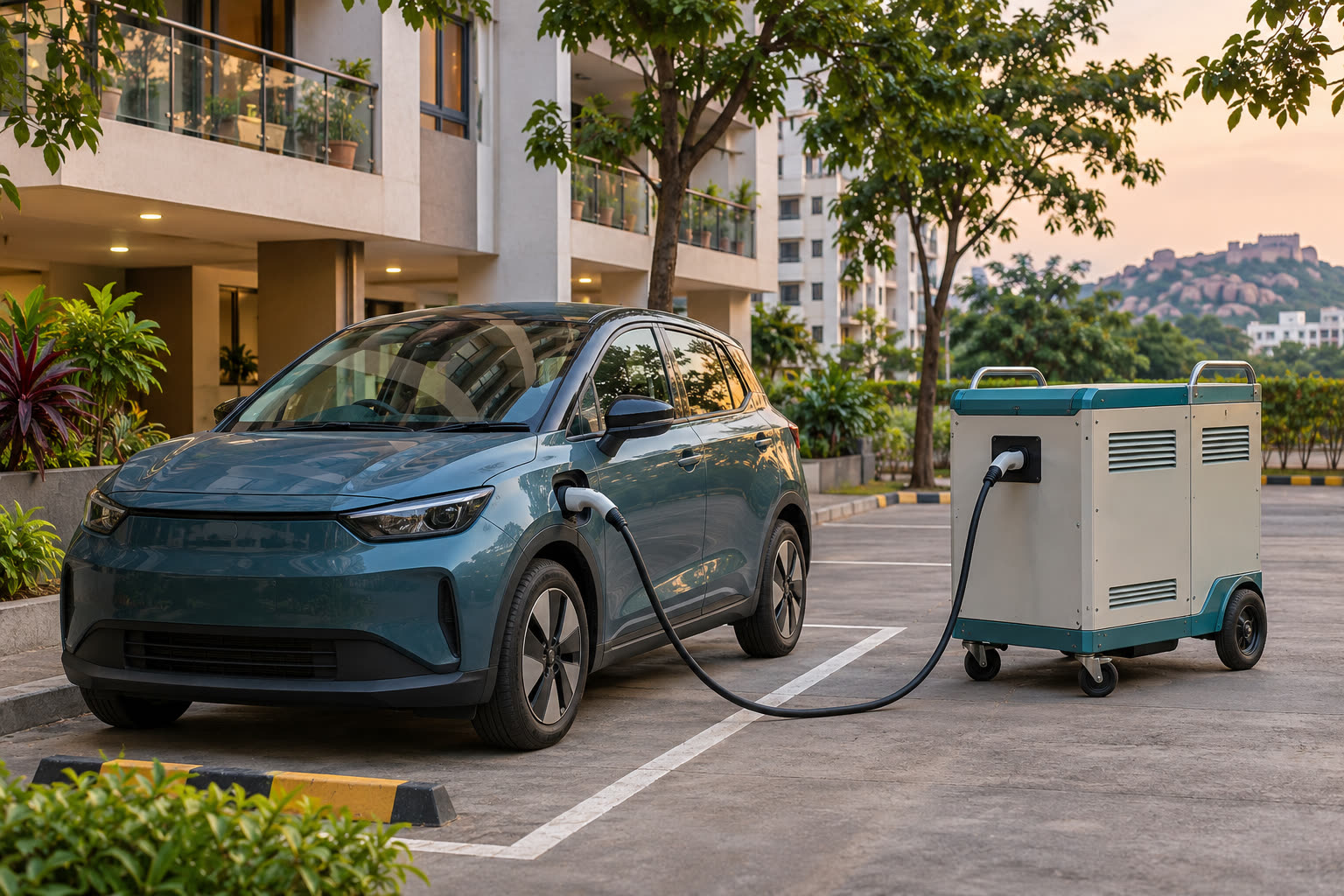
This is relevant to drivers because the choice is no longer only about a petrol-versus-diesel sticker price. A buyer comparing powertrains also has to account for home-charging access, public charging availability, fuel prices, route length and daily usage. Current petrol, diesel and CNG rates can be checked on the live fuel-prices page, while the state-wise EV charging directory can help locate public charging options before estimating an electric car’s practicality.
The company also said it had extended its Battery-as-a-Service offering across its EV portfolio. The commercial terms and eligibility for any such programme remain product-specific, so they should be checked against the model and the purchase or lease document rather than inferred from the quarterly result.
What changes now for buyers and what to watch
There is no immediate consumer action created by the results filing. A current owner does not receive a new maintenance or insurance obligation merely because the company has reported a quarterly loss. A prospective buyer can treat the results as context on the company’s demand and product mix, while comparing the chosen model’s on-road quote, financing terms, insurance, energy cost and charging or refuelling needs separately.
The next test is whether volume growth can translate into healthier margins. Tata said it entered Q3 with its highest-ever monthly volume of 75,400 units in October 2026 and plans to keep expanding EV penetration, production capacity and cost efficiency. The next quarterly update should show whether the 4.0% domestic EBITDA margin improves and whether the group’s exceptional-cost burden reduces.
For long-distance EV use, route length and charging stops matter as much as the vehicle’s claimed range. The road-trip planner can be used alongside the charging directory to compare a proposed journey before making a running-cost assumption.
Sources
- National Stock Exchange filing: “Tata Motors Passenger Vehicles Group Results Q2 FY27” — 13 Nov 2026
- ETAuto: “Tata Motors PV posts ₹5,531 crore net loss in Q2, revenue rises 34%” — 13 Nov 2026
- TOI Auto: “Tata Motors PV Posts Record Rs 20,423 Crore Quarterly Revenue In Q2 FY27 As Sales Cross 2 Lakh Units” — 14 Nov 2026