Electric and petrol cars use the same basic motor-insurance structure in India: third-party liability is mandatory, while own-damage or comprehensive cover protects the vehicle itself. The practical difference is in the expensive parts and the policy wording. An EV's battery, high-voltage electronics, charging equipment and specialist repairs can change claim costs, but an EV is not automatically more expensive to insure in every case.
This guide explains what to compare before buying or renewing cover, how to read IDV and exclusions, and why a lower premium can sometimes mean a different level of protection. For the running-cost side of the EV-versus-petrol decision, use the FuelPrice fuel cost calculator alongside the insurance comparison.
Key takeaways
- Third-party insurance is mandatory for both EVs and petrol or diesel cars; comprehensive cover is optional but adds protection for own damage.
- As of October 2026, a Policybazaar dataset reported by two Indian outlets showed average claim severity of ₹41,543 for comparable EVs versus ₹36,185 for ICE cars, or 14% higher for the EV sample.
- Compare the actual car and policy, not only the fuel type: IDV, deductibles, battery treatment, charger cover, exclusions and garage network all affect the outcome.
- Accidental battery damage may be covered subject to the policy, while gradual battery degradation is usually a warranty or maintenance issue rather than an insurance loss.
- Use approved charging equipment, report an incident promptly, preserve evidence and wait for survey approval before repairing the vehicle.
1. Start with the same three cover choices
The first step is to compare like with like. A third-party-only policy and a comprehensive EV policy are not comparable simply because both are called car insurance.
Third-party liability
- This covers specified legal liabilities if the insured vehicle causes injury, death or property damage to another person.
- It does not normally pay to repair the insured EV or petrol car after an accident.
- The statutory base premium is regulated, but taxes, policy duration and vehicle category still matter.
Own-damage cover
A standalone own-damage policy covers the insured vehicle against covered risks such as accidents, theft, fire and natural calamities. It is commonly bought alongside a separate third-party policy. For an EV, check whether the wording identifies the traction battery, motor, battery-management system and charging equipment, rather than assuming that every electrical loss is included.
Comprehensive or package cover
This combines third-party liability and own-damage cover. It still has exclusions, deductibles, depreciation rules and policy limits. Comprehensive does not mean that normal wear, gradual battery-capacity loss, an unauthorised modification or every charging incident will be paid.
2. What the current EV claim data actually shows
A 6 October 2026 report by Autocar Professional, and a separate report by Entrepreneur India on the same Policybazaar data, compared cars in their first three years of ownership in a similar ₹10 lakh to ₹15 lakh price bracket and excluded large-loss claims. The reported average claim severity was ₹41,543 for EVs and ₹36,185 for comparable ICE cars, a reported 14% difference.
| Metric | EV figure | Comparator or context | Date and source |
|---|---|---|---|
| Average claim severity | ₹41,543 per claim | ₹36,185 per claim for comparable ICE cars; EV figure was reported as 14% higher | 06 Oct 2026; Autocar Professional and Entrepreneur India reporting Policybazaar data |
| Monsoon claim severity | Nearly ₹65,000 per claim | Nearly ₹52,000 outside the monsoon period; reported difference 25% | 06 Oct 2026; Autocar Professional and Entrepreneur India reporting Policybazaar data |
| Battery-protection adoption | 70% of EV owners in the reported sample | Reportedly 51% six months earlier | 06 Oct 2026; Autocar Professional reporting Policybazaar data |
| EV claim frequency by body style | 31 claims per 100 insured SUVs | 28 per 100 hatchbacks and 26 per 100 sedans | 06 Oct 2026; Autocar Professional reporting Policybazaar data |
These are reported platform-level figures, not an IRDAI tariff or a promise about an individual owner's premium. They show why EV claim severity deserves attention; they do not prove that every EV policy costs more than every petrol-car policy. Model price, IDV, location, driving history, repair availability and chosen add-ons can change the comparison.
3. Why the insurance calculation can differ
- Vehicle value and IDV: IDV is the insured value used for a total-loss or theft settlement. A higher-value EV can have a higher own-damage premium even before the battery risk is considered.
- High-voltage components: A battery pack, electric motor, battery-management system, power electronics and sensors require different diagnostics and safety procedures from an engine-and-transmission repair.
- Repair network: A body panel may be repaired in many workshops, but a damaged battery enclosure or high-voltage system may need an authorised or EV-equipped facility. Limited local capacity can affect towing, turnaround time and claim assessment.
- Charging equipment: A wall box, portable cable or charging connector may be treated as an accessory or may need a specific add-on. The policy schedule and exclusions decide the result.
- Risk history: Insurers price own damage using their filed rates and underwriting factors. Claim history, registration location, vehicle age, IDV, deductibles and add-ons can move the premium in either direction.
Moneycontrol's 2 October 2026 comparison also cautioned against assuming that every EV costs more to insure. It identified battery treatment, specialist repair facilities, charging equipment, IDV and exclusions as the items to compare between actual policies.
4. The third-party number: useful, but only one part of the bill
India's Motor Vehicles (Third Party Insurance Base Premium and Liability) Rules, 2022, notified by the Ministry of Road Transport and Highways in consultation with IRDAI, allowed about a 15% discount on third-party premium for electric vehicles. The rule notification took effect on 1 June 2022. Public insurer and insurance-platform tables checked in October 2026 continue to reproduce the following base bands from that framework:
| Vehicle category | Petrol or diesel base TP premium | EV base TP premium | Reference date |
|---|---|---|---|
| Private car up to 1,000 cc / EV up to 30 kW | ₹2,094 for one year | ₹1,780 for one year | 2022 rules; tables checked 06 Oct 2026 |
| Private car above 1,000 to 1,500 cc / EV above 30 to 65 kW | ₹3,416 for one year | ₹2,904 for one year | 2022 rules; tables checked 06 Oct 2026 |
| Private car above 1,500 cc / EV above 65 kW | ₹7,897 for one year | ₹6,712 for one year | 2022 rules; tables checked 06 Oct 2026 |
The figures above are base third-party amounts, not a comprehensive quote, and policy rules or rates may be revised. Tata AIG and Jio Insurance reproduce the same bands, while the PIB notification confirms the EV discount framework. Check the latest applicable rate when renewing; do not add the base TP amount to an online quote and assume that is the final payable premium.
5. A worked rupee example: claim severity is not premium
Suppose you are comparing the reported sample averages rather than receiving a quote. The difference is:
- EV average claim severity: ₹41,543
- Comparable ICE average claim severity: ₹36,185
- Difference: ₹41,543 − ₹36,185 = ₹5,358 per claim
₹5,358 is about 14.8% of ₹36,185, which is consistent with the report's rounded 14% comparison. This calculation does not mean an EV owner's annual premium will be ₹5,358 higher. Claim severity is the average cost of a claim in the cited sample; premium is priced using a much wider set of variables. Use the number to ask better questions about battery and repair cover, not to predict a personal quote.
6. What to compare line by line
IDV and total-loss wording
- Check that the quoted IDV is reasonable for the actual model, variant, age and accessories.
- Ask how total loss or constructive total loss is determined and whether the battery is included in the insured value.
- Compare the IDV alongside the premium. A lower quote with a materially lower IDV is not an equivalent comparison.
Battery and electrical-system cover
- Look for the treatment of accidental battery damage, water ingress, short circuit, power surge and fire.
- Check whether battery depreciation, co-pay, claim limits or a separate add-on applies.
- Separate accidental damage from gradual capacity loss. Moneycontrol and Business Standard explain that normal battery degradation is generally not an insurance claim and may fall under the manufacturer's warranty instead.
Charger, cable and accessories
- Confirm whether the portable charging cable, wall-mounted charger and other declared accessories are covered.
- Read exclusions for theft, electrical surge, incorrect installation and use of non-approved equipment.
- Keep invoices, installation records and the vehicle manufacturer's charging instructions.
Garage and claim service
- Check for an authorised or EV-equipped cashless garage near home and along regular routes.
- Ask how towing is handled after a flood, collision or high-voltage warning.
- Compare survey, approval and reimbursement steps; a network list is useful only if the facility can handle the damaged component.
Deductibles, exclusions and add-ons
- Record the compulsory and voluntary excess you would pay on a claim.
- Compare zero-depreciation, roadside assistance, consumables and return-to-invoice terms only when the wording and limits are clear.
- Check exclusions for alcohol, invalid licence, commercial or ride-sharing use, unauthorised modifications and delayed reporting.
7. Claim checklist for an EV owner
- Make the scene safe, photograph the damage and record the time, location and visible warning messages.
- Inform the insurer promptly using the policy's stated channel and ask for a claim reference.
- Do not keep charging a damaged vehicle or attempt a high-voltage repair yourself.
- Use the manufacturer-approved battery, charger, cable and repair process; keep the invoices and service records.
- Wait for the surveyor's inspection and written approval before dismantling or repairing the vehicle, unless emergency safety work is documented.
- Submit the policy, registration, driving-licence details, photographs, estimate, bills and any police report required for the event.
- Check the settlement calculation for IDV, depreciation, excess, uncovered items and battery-specific deductions before accepting it.
Business Standard reported in May 2026 that unauthorised chargers or batteries, unreported modifications, waterlogging, delayed intimation and repairs before inspection can create claim disputes. The exact result always depends on the policy wording and facts of the incident.
8. Link insurance to the ownership decision
Insurance is only one line in a vehicle budget. Compare the annual premium, likely charging or fuel spend, servicing, tyres, financing and depreciation over the period you expect to keep the car. The existing petrol-versus-EV running-cost guide can help with the energy-cost side, while the EV charging directory helps you see whether your regular areas have usable charging options.
For a long trip, use the road-trip planner to think through charging stops and route exposure, then check that your roadside-assistance and towing terms make sense for those routes. Petrol-car owners can compare current fuel spend through the live fuel-price page rather than using an old rate in a monthly budget.
Frequently asked questions
Is EV car insurance always more expensive than petrol-car insurance?
No. EV-specific components and repair costs can increase claim severity, but the final premium also depends on vehicle value, IDV, location, claims history, cover type, deductibles and add-ons. Compare equivalent cars and equivalent cover before drawing a conclusion.
Does third-party insurance cost less for an EV?
The 2022 central rules allowed about a 15% discount on EV third-party premium, and the published base bands are lower than the corresponding petrol or diesel bands. The comprehensive part is separately priced, so a lower third-party amount does not make the full policy cheaper by itself.
Does comprehensive insurance automatically cover EV battery degradation?
Usually, gradual loss of capacity is treated differently from accidental damage. Check the manufacturer's warranty and the insurance exclusions; accidental battery damage may be covered only when the event and component fall within the policy terms.
What should I do if an EV is damaged after charging or waterlogging?
Stop using or charging the vehicle if it is unsafe, document the incident and notify the insurer promptly. Do not replace parts or repair the high-voltage system before inspection unless emergency work is necessary and properly recorded.
Sources
- Autocar Professional — EV Insurance Claims Cost 14% More Than ICE Cars: Policybazaar Data — 06 Oct 2026
- Entrepreneur India — EV Car Insurance Claims 14% Costlier Than ICE Cars — 06 Oct 2026
- Moneycontrol — Electric vs conventional vehicle insurance: What are the differences? — 02 Oct 2026
- Business Standard — How to prevent rejection of EV insurance claim: Key precautions to take — 28 May 2026
- IRDAI — Motor Insurance: Policy Holder guidance — accessed 06 Oct 2026
- Press Information Bureau — Notification issued pertaining to base premium for third party insurance — 26 May 2022
- Tata AIG — Electric Car Insurance: EV Insurance for Electric Vehicle — accessed 06 Oct 2026
- Jio Insurance — Third Party Car Insurance Premium Rates in India (2026) — accessed 06 Oct 2026
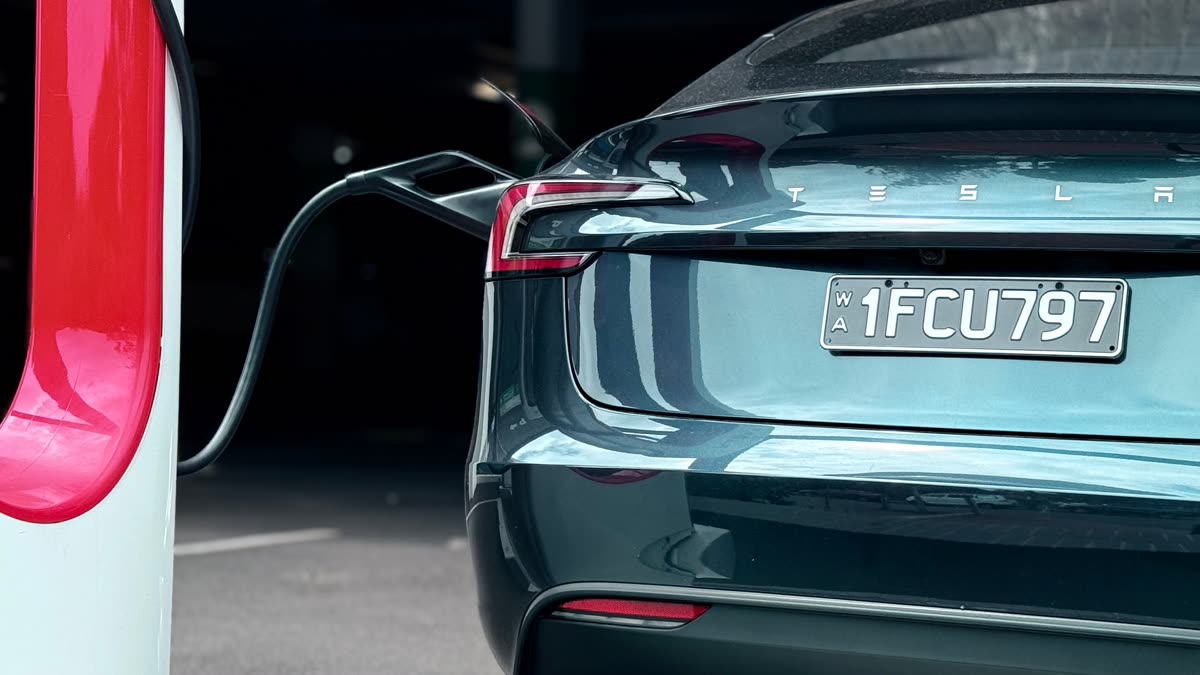
- Pexels — Electric Car Charging Station with Vehicle Plugged In, photograph by Sasha Vukovic — 27 Feb 2026
This article is for general information only and is not financial, insurance or legal advice.