Zero-depreciation car insurance is not a replacement for comprehensive insurance. It is an optional add-on that can reduce depreciation deductions on eligible parts during an admitted own-damage claim. This guide explains the difference, shows the claim math, and gives a practical renewal checklist for Indian car owners.
The key distinction is simple: comprehensive cover decides whether vehicle damage is insured; zero depreciation changes how much depreciation may be deducted from an eligible repair claim. Neither cover automatically pays every rupee on a garage bill.
Key takeaways
- Third-party liability insurance is mandatory on public roads; comprehensive or package cover adds own-damage protection.
- Zero depreciation is an add-on to an eligible own-damage or comprehensive policy, not a standalone third-party policy.
- The current ICICI Lombard private-car wording has depreciation rates from nil to 50%, depending on the part and vehicle age.
- Deductibles, exclusions, consumables, non-approved repairs and claim limits can still leave an amount to pay.
- Before renewal, check eligibility, the allowed claim count, parts covered, IDV and total-loss rules.
Zero depreciation and comprehensive are different layers
IRDAI's motor-insurance guidance says third-party liability cover is mandatory for vehicles plying on public roads. It also describes comprehensive or package cover, bundled cover and standalone own-damage cover as ways to protect the insured vehicle in addition to liability cover. The first comparison is therefore not really “zero dep versus comprehensive”: the add-on sits on top of a base policy.
- Third-party liability: responds to covered legal liability for injury or damage caused to other people or property. It does not repair your own car.
- Own-damage cover: is the part of a package, comprehensive or standalone OD policy that can respond to covered damage to your vehicle.
- Comprehensive or package cover: generally combines third-party liability with own-damage protection, with the exact sections shown in the schedule.
- Zero depreciation: changes depreciation treatment for eligible replaced parts after a covered own-damage claim is admitted.
If you are checking a renewal quote, start with the base policy type. The third-party versus comprehensive guide for older cars covers the broader cover decision; zero depreciation is the specific repair-bill question.
What changes when a repair claim is settled
Without zero depreciation
In a covered partial-loss claim, the insurer assesses approved parts and labour under the own-damage section. A depreciation deduction can then be applied to eligible replaced parts. The policyholder may also bear a compulsory or voluntary deductible, excluded items, and amounts above the approved estimate or applicable limit.
With zero depreciation
When the claim is admissible and the add-on applies, the insurer may waive or reimburse depreciation on covered parts. The add-on does not create a new accident cover, increase the vehicle's IDV or turn a third-party policy into a repair policy. It works only alongside the base own-damage cover.
Policy wording matters more than the label “bumper-to-bumper”. The current ICICI Lombard wording requires the claim to be admitted under the own-damage section, excludes total loss, constructive total loss and cash loss, and allows the cover to be limited to a selected number of claims. Other insurers can use different age limits, part exclusions, deductibles or claim limits.
Standard depreciation schedule used for repair claims
The table below reproduces the schedule in the ICICI Lombard Private Car Package Policy Wording available in a document dated 24 July 2026. The same repair depreciation rates are reproduced in Zurich Kotak's Long Term Car Secure wording dated 08 July 2025. These references explain the math, but do not promise identical wording from every insurer; your own policy controls the claim.
| Part or vehicle age | Depreciation without waiver | What zero dep may change |
|---|---|---|
| Rubber, nylon, plastic, tyres, tubes, batteries and air bags | 50% | May remove the deduction for eligible parts |
| Fibre-glass components | 30% | May remove the deduction if the claim qualifies |
| Glass parts | Nil | No depreciation to waive under this schedule |
| Other parts, not over 6 months | Nil | Usually no depreciation difference |
| Other parts, over 6 months to 1 year | 5% | May reduce the 5% deduction |
| Other parts, over 1 year to 2 years | 10% | May reduce the 10% deduction |
| Other parts, over 2 years to 3 years | 15% | May reduce the 15% deduction |
| Other parts, over 3 years to 4 years | 25% | May reduce the 25% deduction |
| Other parts, over 4 years to 5 years | 35% | May reduce the 35% deduction |
| Other parts, over 5 years to 10 years | 40% | May reduce the 40% deduction |
| Other parts, over 10 years | 50% | May reduce it only if the add-on still applies |
The same wording applies 50% depreciation to the material component of painting charges. It separately says a tyre-only loss is not payable under the base wording, while damage to the vehicle at the same time can be subject to a 50% limit. This is why “zero dep pays everything” is unsafe: parts, labour, paint, tyres and add-ons can be treated differently.
Worked rupee example: how the deduction changes
SBI General's explainer uses an illustrative example of an eligible plastic part costing ₹12,000. Coverfox independently shows the same ₹12,000 and 50% calculation. Under a standard policy, ₹6,000 is deducted from the claim amount:
- Approved replacement-part cost: ₹12,000.
- Applicable depreciation: 50% of ₹12,000 = ₹6,000.
- Depreciation-related amount payable in the example: ₹6,000 before other deductions.
- With an applicable zero-depreciation add-on, that ₹6,000 deduction may be avoided for the eligible part.
This is depreciation math, not a guaranteed settlement. A deductible, voluntary excess, non-covered consumables, non-approved items or an excluded cause of loss can still affect the amount. The add-on premium is extra and varies with the vehicle, age, location, prior claims and selected covers. Actual offers vary by profile and insurer.
What zero depreciation does not cover
Separate depreciation from the other reasons a claim can be reduced:
- Uninsured event: the add-on cannot make a loss payable when its cause is outside the base policy or an exclusion.
- Wear and tear: routine deterioration, paint fading, minor scratches and normal maintenance are not accidental damage.
- Mechanical breakdown: zero depreciation is not a warranty for a failed engine, gearbox or electrical component.
- Consumables: oils, grease, nuts, bolts and similar items may require a separate consumables add-on.
- Deductibles: a compulsory or voluntary deductible can remain payable when depreciation is waived.
- Claim limits: the schedule may cap zero-depreciation claims. In the current ICICI Lombard example, a two-claim limit means the add-on does not apply to the third claim in that policy period.
- Non-approved work: the insurer may not pay for parts or repairs not accepted under the assessment and policy terms.
IDV and total loss are separate from zero dep
Zero depreciation mainly addresses partial-loss repair deductions. It does not restore the new-car invoice value after theft or a write-off. The insured declared value, or IDV, is the sum insured used for the vehicle and is relevant to total-loss calculations.
In the current ICICI Lombard package wording consulted here, a vehicle is treated as a constructive total loss when the aggregate cost of retrieval and repair exceeds 75% of the IDV, subject to policy terms. The wording also excludes zero depreciation from total loss, constructive total loss and cash-loss claims. A return-to-invoice add-on, where available and eligible, is a separate product question.
For the broader value question, read the IDV and depreciation guide for car insurance. A higher IDV does not erase every repair deduction: it is the sum insured, while depreciation on parts is a partial-loss settlement issue.
How to compare a renewal quote point by point
- Confirm the base cover: identify third-party only, package/comprehensive or standalone own damage. Zero dep needs an eligible own-damage base.
- Check eligibility: read the vehicle-age rule for the specific insurer and product; online availability does not mean every car qualifies.
- Read the schedule: check the add-on name, dates, number of claims, eligible parts, deductibles and exclusions.
- Check IDV: compare the proposed IDV with the vehicle details and total-loss rules, not just the headline premium.
- Separate add-ons: zero dep, consumables, engine protection, tyre protection, roadside assistance and return to invoice address different risks.
- Ask how repairs are assessed: check the cashless-garage process, inspection, estimate approval and required documents.
- Consider claim frequency: a repair claim can affect no-claim bonus under the base policy unless separate protection applies.
- Save the quote date: retain the quote, schedule, inclusions and exclusions as of the renewal month.
Online tools can organise options, but policy wording decides coverage. FuelPrice's car-insurance chatbot explainer makes the same practical point: a quick answer can find the question, but the policy document answers the claim question.
Practical claim checklist
When damage occurs, keep the process pointwise and document-led:
- Move to safety where possible and follow police or emergency instructions.
- Notify the insurer through the policy channel and ask for the claim reference.
- Take clear photographs of the vehicle, scene and damaged areas before repairs, where safe.
- Do not authorise non-emergency repairs until the inspection or approval process is clear.
- Ask for an itemised estimate separating parts, labour, paint, consumables and taxes.
- Check the assessment for depreciation, deductibles, exclusions and the add-on claim count.
- Keep the claim form, registration certificate, policy schedule, estimate and final invoice.
- Ask for the written reason for any deduction not explained by depreciation alone.
For renewal paperwork, check whether a previous policy has expired and whether the no-claim bonus needs to be carried forward. The expired car-insurance renewal and NCB guide covers those separate checks.
Frequently asked questions
Can I buy zero depreciation with third-party car insurance?
No. Zero depreciation is an add-on to an eligible comprehensive, package or own-damage policy. Third-party-only cover protects against covered liability to others and does not insure repairs to your own vehicle.
Does zero depreciation pay the full garage bill?
No. It mainly changes depreciation treatment for eligible parts in an admitted own-damage claim. Deductibles, exclusions, consumables, non-approved work, limits and separately treated charges can still affect what you pay.
Is zero depreciation available for an old car?
Availability depends on the insurer, product, vehicle age and inspection or renewal terms. Confirm the rule in the quotation and policy schedule.
Does zero depreciation cover total loss or theft?
Generally, the waiver is designed for eligible partial-loss repairs, not a total-loss settlement. The current ICICI Lombard wording excludes total loss, constructive total loss and cash loss, but your own wording should be checked.
Sources
- IRDAI, “Motor Insurance — Policy Holder” (accessed 09 Oct 2026)
- SBI General Insurance, “Zero Depreciation Car Insurance: Buy/Renew” (accessed 09 Oct 2026)
- ICICI Lombard, “Private Car Package Policy Wording” (document dated 24 Jul 2026; accessed 09 Oct 2026)
- Zurich Kotak General Insurance, “Long Term Car Secure Policy Wording” (document dated 08 Jul 2025; accessed 09 Oct 2026)
- Coverfox, “Zero Depreciation Car Insurance” (accessed 09 Oct 2026)
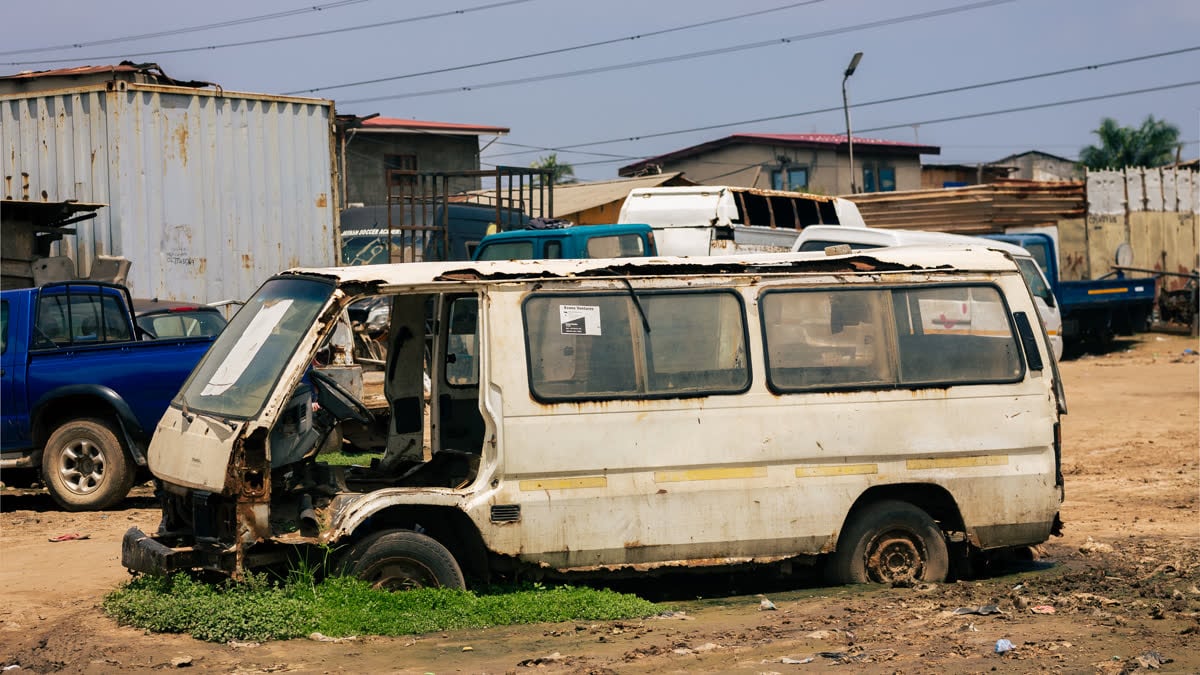
- Wikimedia Commons, “Damaged vehicle.jpg” by Unlimited Ed, CC BY-SA 4.0 (photo dated 17 Jun 2024; accessed 09 Oct 2026)
This article is for general information only and is not financial, insurance or legal advice.