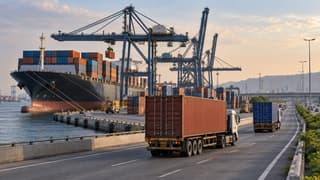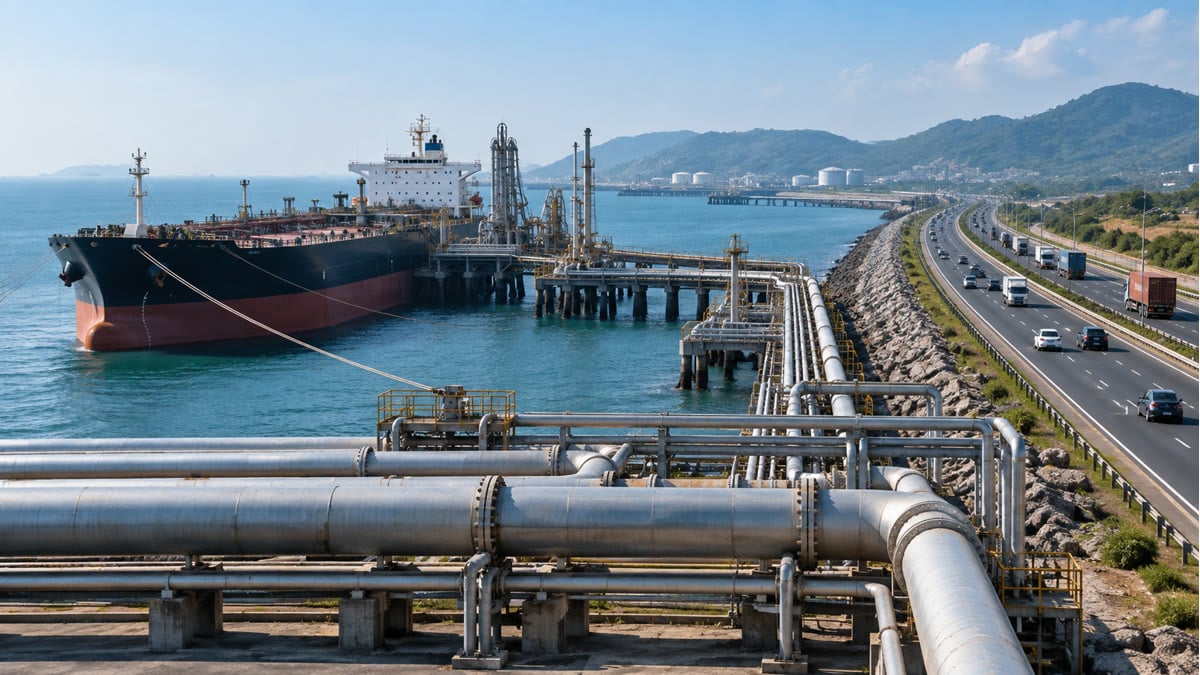
Petrol and diesel prices were unchanged in major Indian cities on 24 Sep 2026, even as the Indian crude basket stood at $115.27 a barrel on 22 Sep. Business Today and India Today reported that government sources see no immediate petrol or diesel hike proposal, but that is a current signal—not a permanent price freeze.
Key takeaways
- On 24 Sep, Delhi petrol and diesel were listed at ₹102.12 and ₹95.20 per litre; Mumbai rates were ₹111.21 and ₹97.83 per litre, according to matching tables from Livemint and Business Today.
- The official Petroleum Planning and Analysis Cell (PPAC) data page records the Indian crude basket at $115.27 per barrel on 22 Sep 2026; Business Today also reported the figure.
- Business Today and India Today said government sources see no petrol or diesel price increase proposal at present.
- Stable retail rates do not remove the pressure created by imported crude costs, currency movements, taxes and oil-marketing margins.
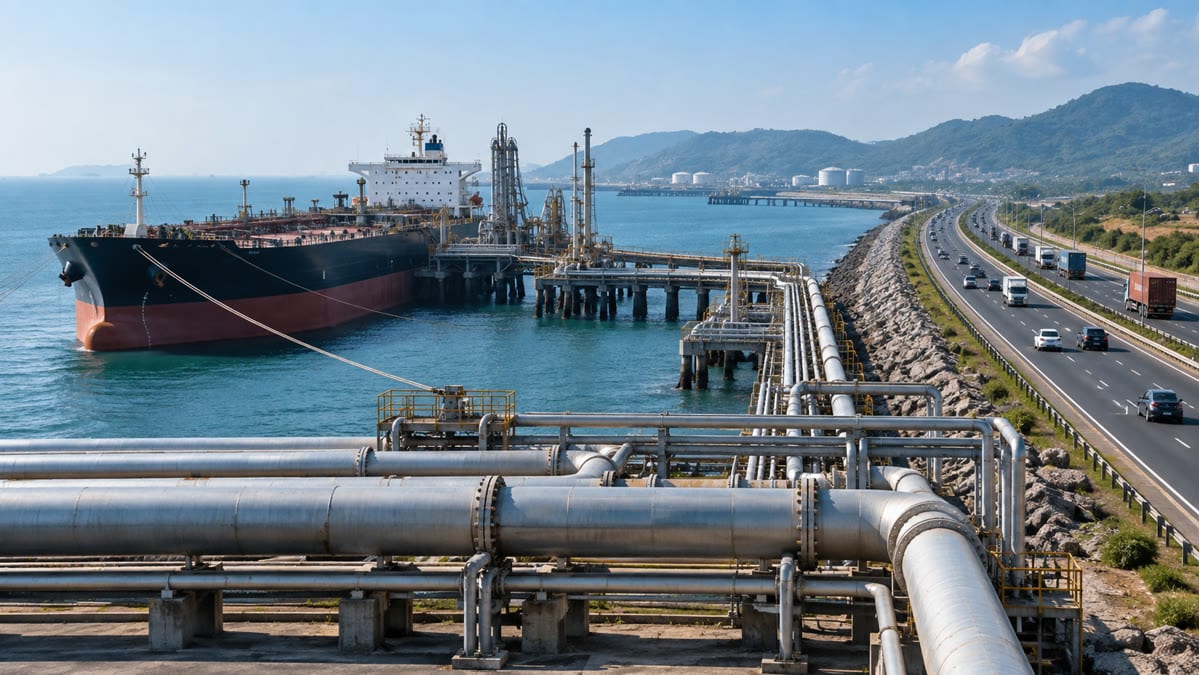 AI-generated editorial illustration of crude supply flowing toward road transport; not an official photograph.
What changed on 24 Sep
State-run oil marketing companies kept regular petrol and diesel rates unchanged across major cities after the daily 6 am price review. Livemint and Business Today both reported the following city rates for 24 Sep 2026:
| City | Petrol (₹/litre) | Diesel (₹/litre) |
|---|---|---|
| New Delhi | ₹102.12 | ₹95.20 |
| Mumbai | ₹111.21 | ₹97.83 |
| Kolkata | ₹113.51 | ₹99.82 |
| Bengaluru | ₹111.68 | ₹99.56 |
| Hyderabad | ₹116.15 | ₹104.23 |
These are city-level retail prices, not a single national rate. State taxes, local levies, freight and market conditions mean that the amount paid at the pump can differ substantially between cities. Drivers can check the latest city-wise numbers on our live fuel prices page before setting out.
Crude pressure has not disappeared
The Indian crude basket is a derived measure based on imported crude grades, so it is not the same thing as the price of petrol or diesel at a retail outlet. The official PPAC data page lists the basket at $115.27 per barrel on 22 Sep 2026 and the September average at about $114.83 per barrel through that date. Business Today reported the same data while describing the pressure on domestic fuel pricing.
Retail rates do not change one-for-one with every movement in crude. Refining costs, the rupee-dollar exchange rate, central and state taxes, inventory timing and the commercial decisions of oil marketing companies all sit between imported crude and the final bill. That is why a stable pump price can coexist with a much higher input cost, at least for a period.
The latest move is therefore a pause in retail-price transmission, not proof that fuel costs have become structurally lower. It also does not mean every fuel product or every bulk purchase follows the same price path as regular retail petrol and diesel.
What the government signal means
Business Today reported on 23 Sep that the government had no proposal at that point to raise petrol and diesel rates, while authorities focused on energy security and stable fuel supplies. India Today separately reported that government sources were considering ways to prevent higher international crude costs from being passed through immediately, including possible support for oil marketing companies if pressure persists.
Both reports describe an attributed, current position rather than a formal notification. There is no new retail-price freeze in the material reviewed for this article, and a future change in crude prices, supply conditions, exchange rates or fiscal policy could alter the position. Readers should not treat the reports as a guarantee that pump rates will remain unchanged.
What it means for drivers and fleet operators
For a simple illustration, filling 40 litres with petrol at Delhi’s reported 24 Sep rate would cost ₹4,084. That is a calculation from the cited pump price, not a claim about the size of every vehicle’s tank. At the same rate, a ₹1-per-litre movement would change that example by ₹40. A driver can use the fuel cost calculator to replace the assumption with the vehicle’s actual litres and trip distance.
For transporters, the immediate benefit is predictability: unchanged retail diesel rates make it easier to estimate a route or delivery budget for the day. The risk is that a prolonged gap between crude costs and retail prices can lead to a later price adjustment, a change in OMC margins or a government support measure. None of those outcomes is confirmed by the current reports, so a fleet budget should keep a sensitivity check rather than rely on one pump rate.
What to watch next
- The next daily 6 am retail-rate update in the major cities and in the cities where a vehicle will actually refuel.
- PPAC’s Indian crude-basket data, global crude benchmarks and the rupee-dollar exchange rate, which together influence the cost backdrop.
- Any official communication on OMC support, fuel taxes, supply arrangements or a change in the reported no-hike position.
Reader takeaway
The practical position on 24 Sep is straightforward: regular petrol and diesel prices were steady in major cities, but the upstream cost signal was high and the government’s no-hike position was reported rather than notified. Check the live local rate and calculate the fuel requirement for the specific trip instead of assuming that today’s price will apply everywhere or indefinitely. This is a materially new development from the previous day’s rate update, which is covered in our 23 Sep petrol and diesel price report.
Sources
- PPAC, “International Prices of Crude Oil (Indian Basket), Petrol and Diesel”, data as of 22 Sep 2026.
- Livemint, “Petrol and diesel prices today, September 24: Check rates in Delhi, Mumbai, Bengaluru, Chennai”, 24 Sep 2026.
- Business Today, “Petrol, diesel prices today, September 24: Check latest rates in Delhi, Mumbai, Chennai, Kolkata & more”, 24 Sep 2026.
- Business Today, “No petrol, diesel price hike proposal yet; govt may support OMCs if crude stays high”, 23 Sep 2026.
- India Today, “No petrol, diesel price hike despite high crude prices, govt sources say”, 23 Sep 2026.