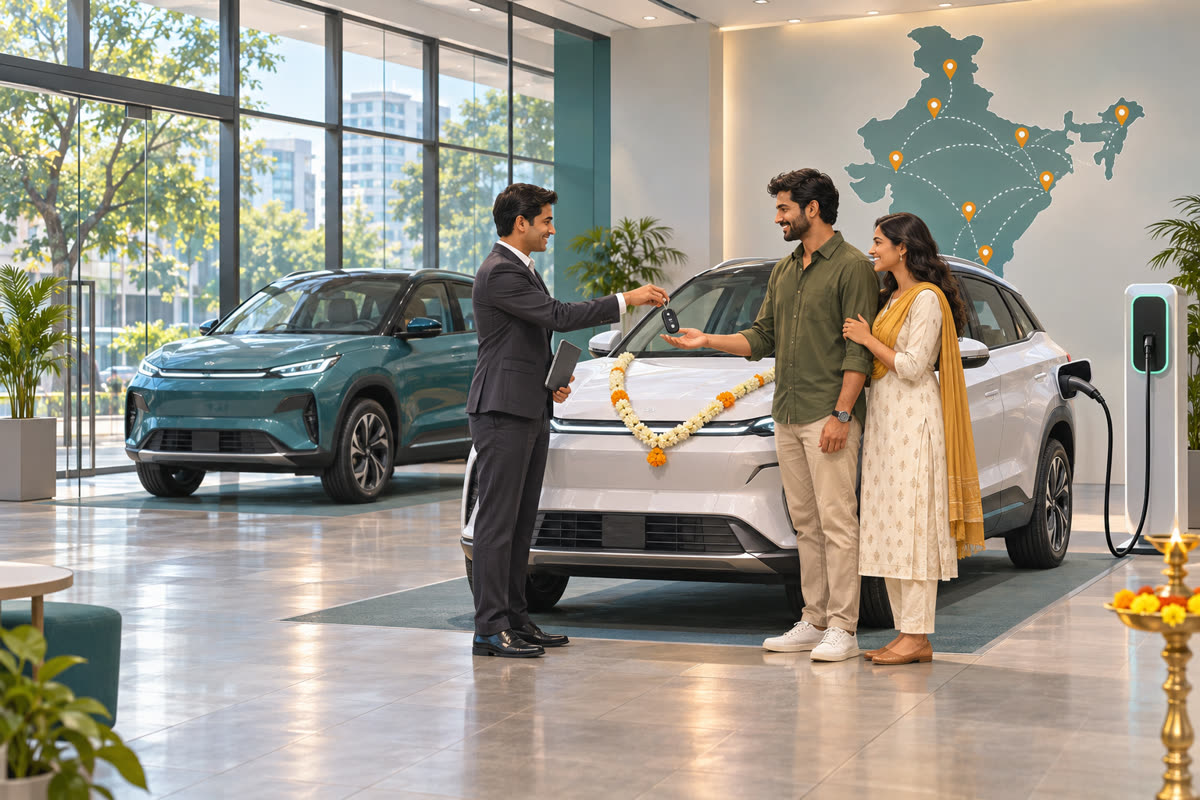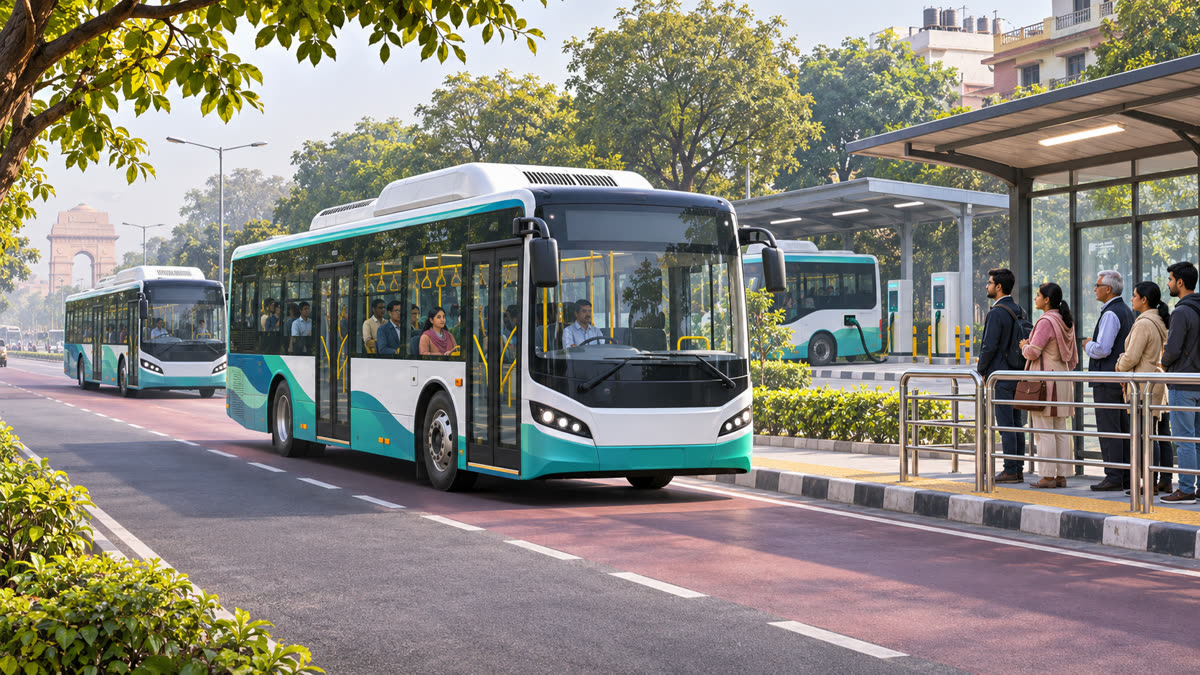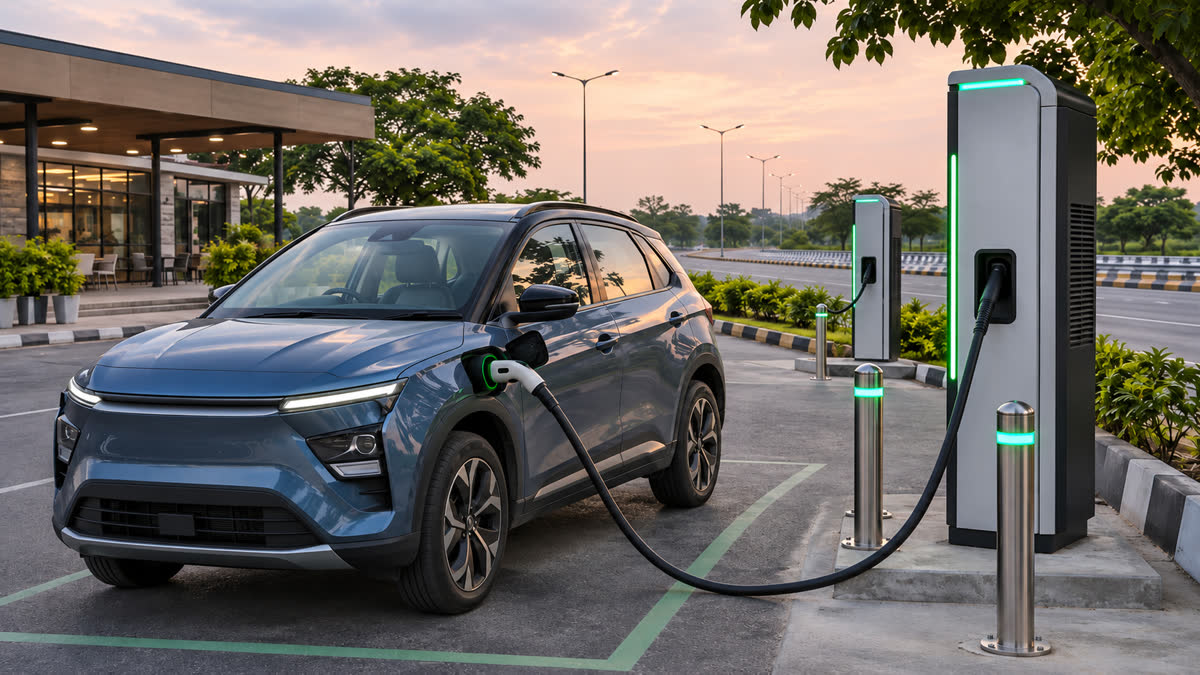
The Ministry of Heavy Industries said on 20 Nov 2026 that Unified Bharat e-Charge will gradually expand beyond its five-state pilot as the charging network becomes more robust. About 12 charging operators are currently integrated, giving EV drivers a single interface to find, access and pay for charging across participating networks.
The update matters for people planning inter-city EV trips, but it is not a nationwide launch notice. The ministry has not announced a date for the wider rollout or published a complete list of the five pilot states and participating operators.
Key takeaways
- Unified Bharat e-Charge is being tested across five states, with about 12 charging network operators onboard as of 20 Nov 2026.
- The platform is designed to combine charger discovery, access and payment across participating networks.
- The Centre has earmarked ₹2,000 crore under PM E-DRIVE for public EV charging infrastructure, including city and highway locations.
- EV drivers should still check operator coverage, connector compatibility, live availability and payment terms before relying on a charger during a long trip.
What the government said about Bharat e-Charge
Hanif Qureshi, Additional Secretary in the Ministry of Heavy Industries, said the government would keep expanding the platform as its network strengthened. He made the statement at the Growth and Readiness for EV Infrastructure Dialogue organised by the Society of Indian Automobile Manufacturers as part of National EV Charging Day on 20 Nov 2026, according to reports by The Economic Times, Open Magazine and ACKO Drive.
Qureshi said the pilot has around 12 charging network operators and that most electric two-wheeler, three-wheeler and four-wheeler manufacturers have also been integrated. The platform was developed by NPCI BHIM Services and Bharat Heavy Electricals, but the ministry has not given a deadline for adding more states.
The current position is therefore best described as reported expansion plans, not a confirmed national rollout. Drivers outside the pilot should not assume that a charger listed on one network will automatically appear or be payable through Bharat e-Charge.
How the unified charging platform is meant to work
A May 2026 release from the Ministry of Heavy Industries described Unified Bharat e-Charge as a national charging app intended to let users discover, access and pay across multiple operators through one trusted interface. The same primary release said ₹2,000 crore had been earmarked for EV Public Charging Infrastructure under PM E-DRIVE.
This is a useful distinction for EV owners. The app is the digital layer that brings participating networks together; it does not by itself create a charger, guarantee electricity supply or make every charging point interoperable. A driver may still need to confirm the plug type, charging speed, current status, price and payment method at the selected location.
That practical limitation is also reflected in the current reporting: the platform covers participating charging networks, while the names of the five pilot states and a complete operator list have not been published with the expansion announcement.
What it means for EV drivers
Fewer apps could make trip planning simpler
Public charging in India is spread across oil companies, automakers, private charge-point operators and state-backed networks. A common interface could reduce the need to download several apps or create separate payment flows, particularly when a route crosses cities or uses chargers from different operators.
For now, that benefit is limited to the networks and locations actually connected to the pilot. Drivers can use FuelPrice's EV charging station directory to begin checking available locations, then confirm the operator's own listing before setting out.
Highway charging is a stated priority
Qureshi said the government had identified 24 freight corridors and about 50 passenger-car corridors as priorities for electrification. The figures were reported by The Economic Times, Open Magazine and ACKO Drive on 20 Nov 2026; they describe priority corridors, not a promise that every corridor already has a complete fast-charging network.
For a long journey, an EV owner can use FuelPrice's road-trip planner to map the route and then verify charger availability at planned stops. Keeping a backup stop is still sensible where the route has limited alternatives or where a station's live status is uncertain.
Reliability matters more than an app count
The platform's value will depend on whether participating chargers are operational, easy to pay for and accurately shown as available. A single interface can improve discovery, but it cannot remove a queue, repair a failed charger or resolve a connector mismatch. Those service details will decide whether the platform changes the experience of an actual road trip.
FuelPrice has separately reported the government's concerns about grid and DISCOM coordination in the charging build-out. That earlier EV charging infrastructure report explains the supply-side hurdle; the Bharat e-Charge update addresses the user-facing problem of finding and paying across networks.
What to watch next
The next useful milestones are a published expansion timeline, the names of the pilot states, a list of participating operators and evidence that charger status and payment information are being updated reliably. The ministry's May release framed the charging strategy around accessibility, affordability and reliability, so those are the measures EV owners should watch rather than the app's expansion alone.
Until a wider rollout is confirmed, the practical takeaway is simple: treat Bharat e-Charge as a developing common interface, not as proof that every public charger is already available through one app. Check the route, confirm the operator and keep an alternative charging stop for longer journeys.
Sources
- The Economic Times — Govt to expand Unified EV charging platform beyond five-state pilot as network strengthens — 20 Nov 2026
- Open Magazine — One App to Find and Pay for EV Charging? Seven Things to Know About Bharat e-Charge — 20 Nov 2026
- ACKO Drive — Centre to Expand Unified Bharat e-Charge Platform Beyond Pilot — 20 Nov 2026
- Ministry of Heavy Industries via PIB — Prime Minister Modi's Vision Driving India's EV Revolution: Karnataka Gets 1,243 New EV Chargers Under PM E-DRIVE Scheme — 12 May 2026